
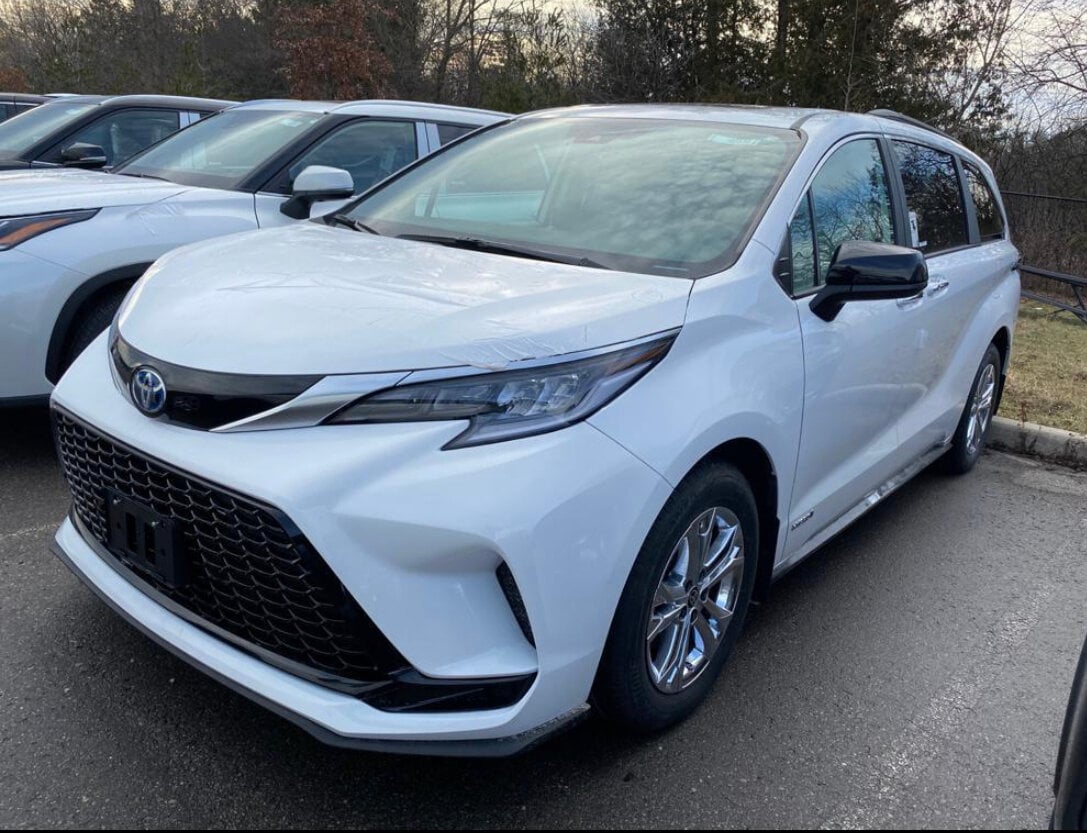
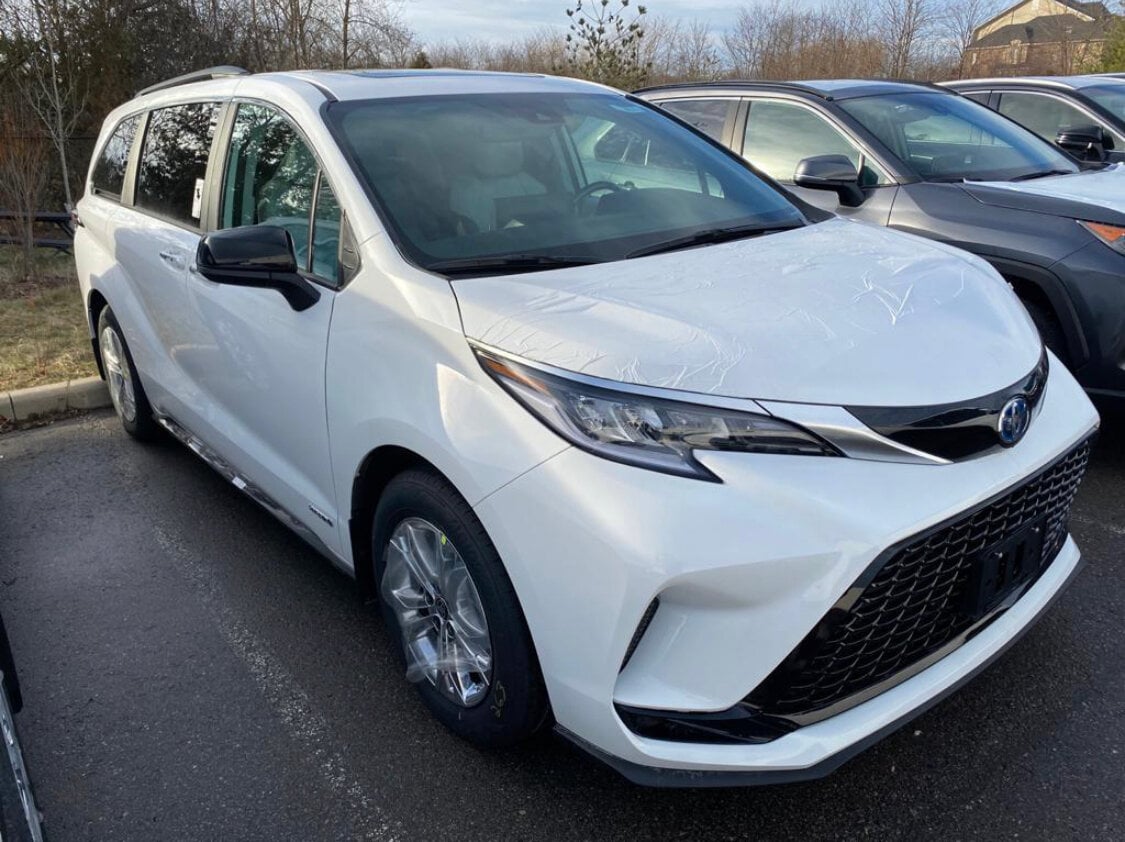
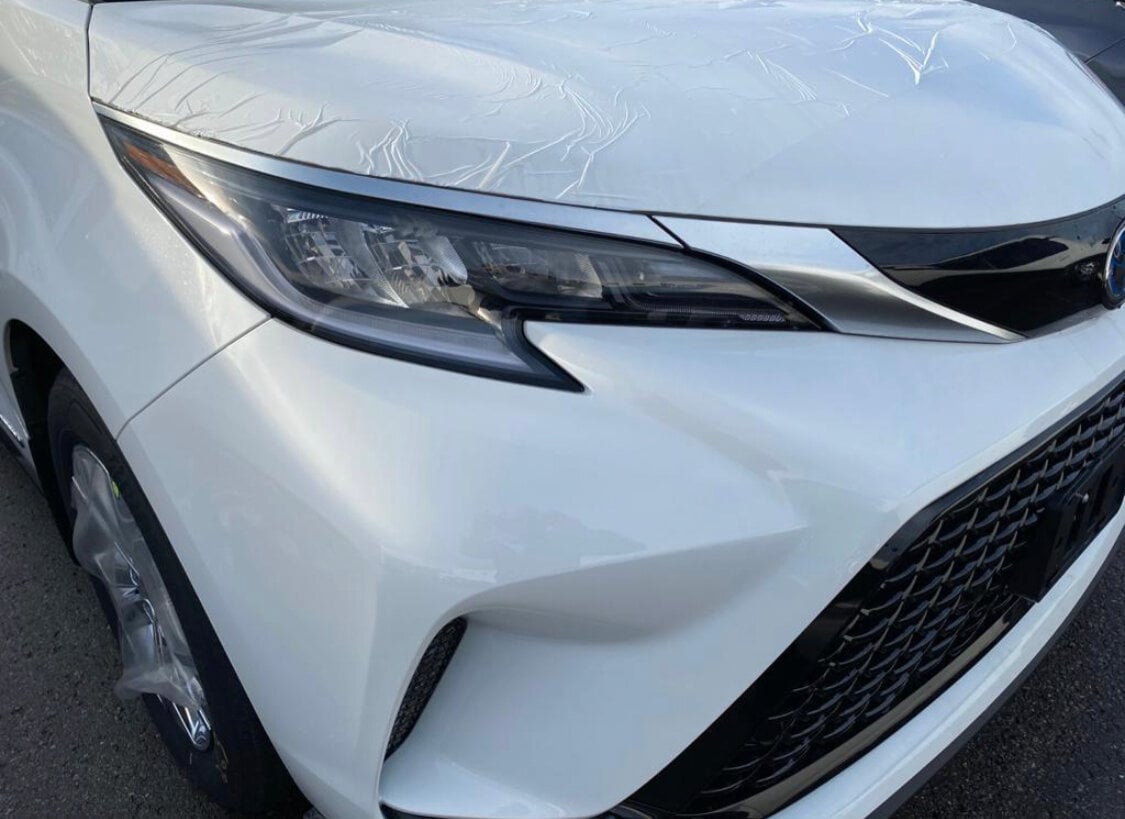
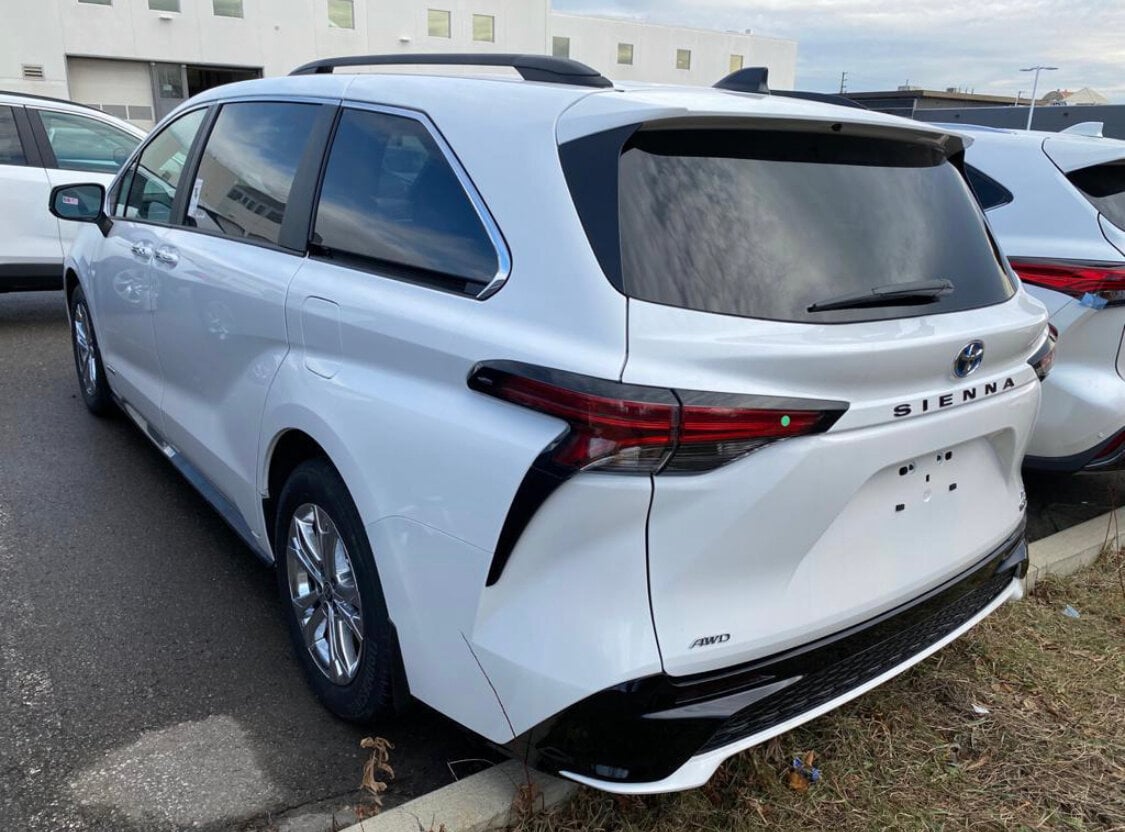
Toyota Sienna Tuning Guide 2026 — Body Kits, Wheels & Luxury Upgrades


The Toyota Sienna has quietly become the most exciting canvas in the luxury family transport segment. With the fourth-generation XL40 platform launched in 2021, Toyota reimagined the minivan entirely — ditching the old V6 for a refined 2.5-litre four-cylinder hybrid system and adopting the TNGA-K architecture it shares with the Camry XSE, Highlander and RAV4. The result is a minivan that rides with composure, delivers near 36 mpg in everyday driving, and — crucially for Hodoor clients — accepts serious aftermarket hardware without fighting you. In the United States, Middle East and Japan, a small but fast-growing community of owners is pushing the Sienna firmly into territory once reserved for Rolls-Royce Cullinan and Lexus LM: rolling living rooms with proper kerb presence.
Hodoor.world stocks fitment-verified parts for the XL40 Sienna. Every kit listed in this guide has been cross-referenced against our technical database. If you have questions, email [email protected] — our fitment team responds within one business day.
Toyota Sienna XL40 — Specifications at a Glance
Body Kits: Wide, Aggressive and Alphard-Inspired
Rowen International Wide-Body Kit
Rowen International — the Japanese house responsible for landmark kits on the Land Cruiser 300 and Lexus LX — developed a complete aero programme for the XL40 Sienna. The Rowen kit is a full wide-body conversion: +40 mm per side over the front and rear arches, a deep front splitter with integrated LED fog surrounds, a pronounced side skirt system that runs the full 5.1-metre length of the van, and a rear valance with quad exhaust outlets. The kit is manufactured in Rowen's proprietary BRIG-G fibre-reinforced compound — lighter than ABS yet stiffer than standard urethane. Primer-ready finish allows for OEM paint matching or bespoke wraps. Rowen recommends pairing the wide-body with their 20-inch forged monoblock wheel set to fill the new arches correctly.
TRD Sport Upgrade Pack
Toyota Racing Development offers a factory-adjacent aero pack that stays within the OEM body dimensions but adds real visual aggression: a TRD front spoiler lip, side mudguard accents, a rear bumper lower garnish and a subtle ducktail spoiler for the tailgate. The TRD pack is bolted directly to existing bodywork fixing points — no cutting, no bonding compound required. Paint is supplied in Attitude Black Mica or can be ordered in body-colour primer. For buyers who need a warranty-safe upgrade, TRD is the answer.
Alphard / Vellfire-Style Conversion
A growing segment of Sienna owners in the Gulf and Japan is taking inspiration from Toyota's own luxury van lineup — the Alphard and Vellfire. These conversions typically replace the Sienna's front fascia with a chrome-heavy mesh grille in the Alphard HH-pattern, add chrome body-side mouldings, swap the OEM tail-lamp units for smoked LED assemblies and fit a tailgate garnish plate. When paired with a two-tone or pearl-white exterior, the result is a van that reads as Toyota's flagship MPV to the casual observer. Artisan Spirits Japan has expressed development interest in producing a dedicated Sienna programme modelled on their successful Alphard kits.
Ready to transform your Sienna?
Tell us your build idea and we will confirm fitment, pricing and lead time within 24 hours.
[email protected]Wheels: 19 and 20-Inch Fitments for the XL40
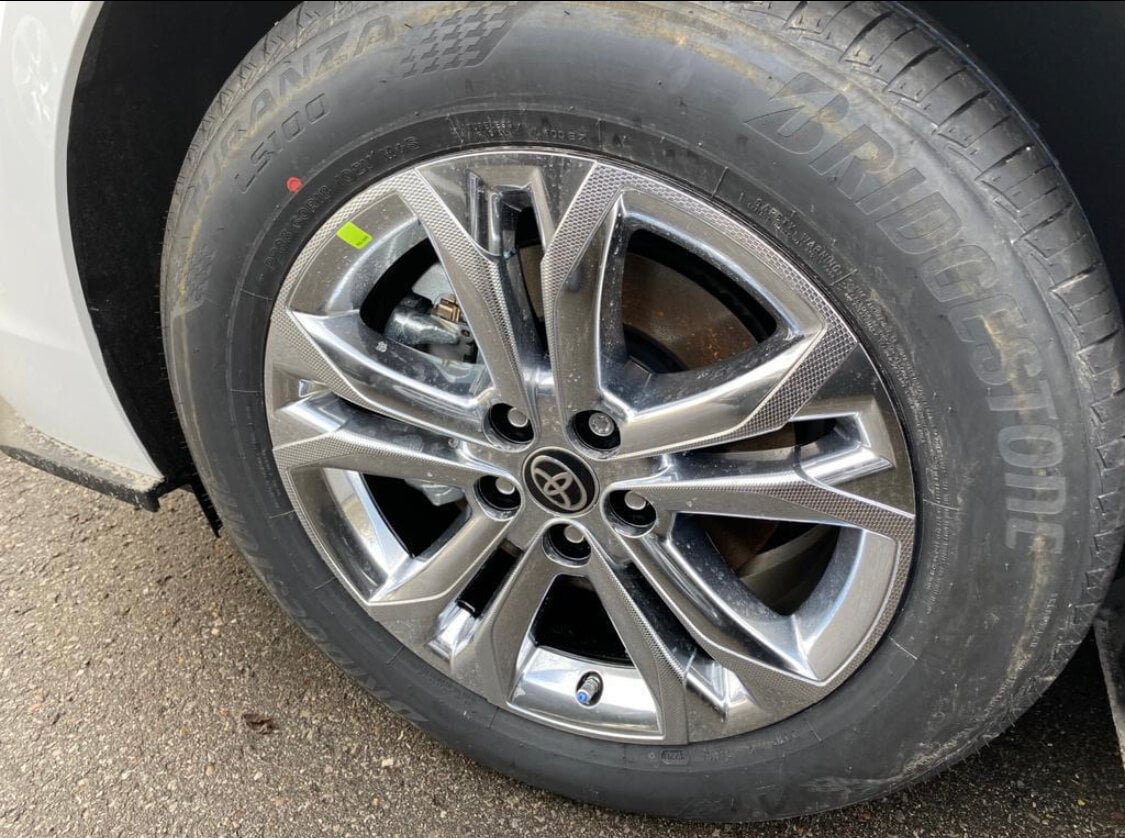
The XL40 Sienna rides on a 5x114.3 bolt circle — the same pattern used across the Camry, Highlander and RAV4, which means the aftermarket depth is enormous. The stock 18-inch wheels look conservative on a van of this size; moving to 19 or 20 inches transforms the visual proportion.
19-inch recommendation: For daily-driven Siennas that stay on paved roads, a 19x8.5J with a +38 mm offset hits the sweet spot. Tyre size 245/45R19 maintains near-OEM rolling circumference (important for hybrid system accuracy) and delivers a noticeable improvement in road feel without harshening the ride. Load rating should be at minimum 100 (800 kg per corner) — the Sienna tips the scales at over 2,200 kg fully loaded, and undersized load ratings cause premature sidewall fatigue.
20-inch recommendation: If you are pairing wheels with a Rowen or Alphard-style wide-body, 20x9J at +35 mm is the spec to run. The wider arch clearance created by the body kit allows a 255/40R20 tyre, filling the arch properly. Forged monoblock construction is strongly preferred at this diameter — cast 20-inch wheels on a 2,200 kg van create bending-moment stresses that accelerate fatigue cracking. Brands with verified 20-inch forged options in 5x114.3 include Rays Volk Racing, Work Emotion and BBS Japan.
Stance note: The XL40's electric AWD rear motor sits low in the chassis. When running spacers wider than 5 mm at the rear, a hub-centric bore of 60.1 mm is mandatory. Generic lug-centric spacers introduce vibration above 100 km/h on this chassis.
Performance: Working With the Hybrid System
The Sienna's 2.5-litre Dynamic Force hybrid is not a performance engine in the traditional sense — the combined 245 hp figure includes both the petrol unit and the front electric motor. The rear electric motor (on AWD models) adds torque vectoring capability more than outright horsepower. Owners expecting a turbo upgrade are going to be disappointed: the engine is naturally aspirated and the hybrid ECU is locked against traditional tune files.
Where performance tuning makes sense on the Sienna is in three areas:
TRD exhaust system: TRD Japan offers a cat-back exhaust that replaces the rear silencer with a twin-tip unit. The sound change is subtle by sports car standards — the hybrid system muffles mechanical noise at low speeds where the electric motor handles propulsion — but at motorway speeds the TRD exhaust produces a genuine motorsport note. More importantly, the TRD system reduces back-pressure and shaves approximately 4 kg from the tail section.
Suspension lowering: Tein and KYB both produce Sienna-specific lowering spring kits. A 25-35 mm drop on the front and 20-25 mm at the rear (to compensate for the rear electric motor's weight bias) produces a noticeably more planted stance without bottoming out on standard speed bumps. Air suspension conversion kits from Japanese specialists are available for owners who want the ability to flush the arches on demand and return to standard ride height for loaded family driving.
Brake upgrade: The OEM 4-pot front calipers are adequate but not exciting. A 330 mm slotted rotor upgrade with upgraded pads is recommended for any Sienna that will be operated heavily loaded on mountain roads.
Interior: The Main Event
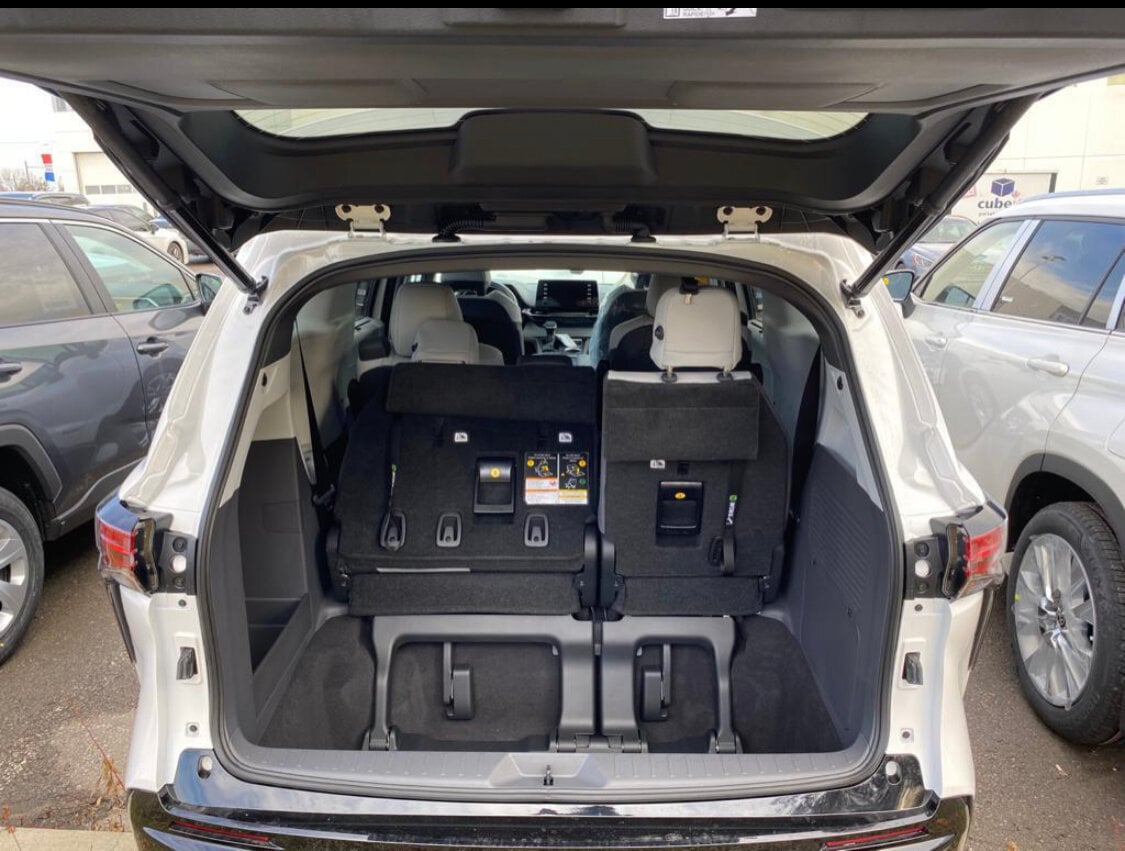
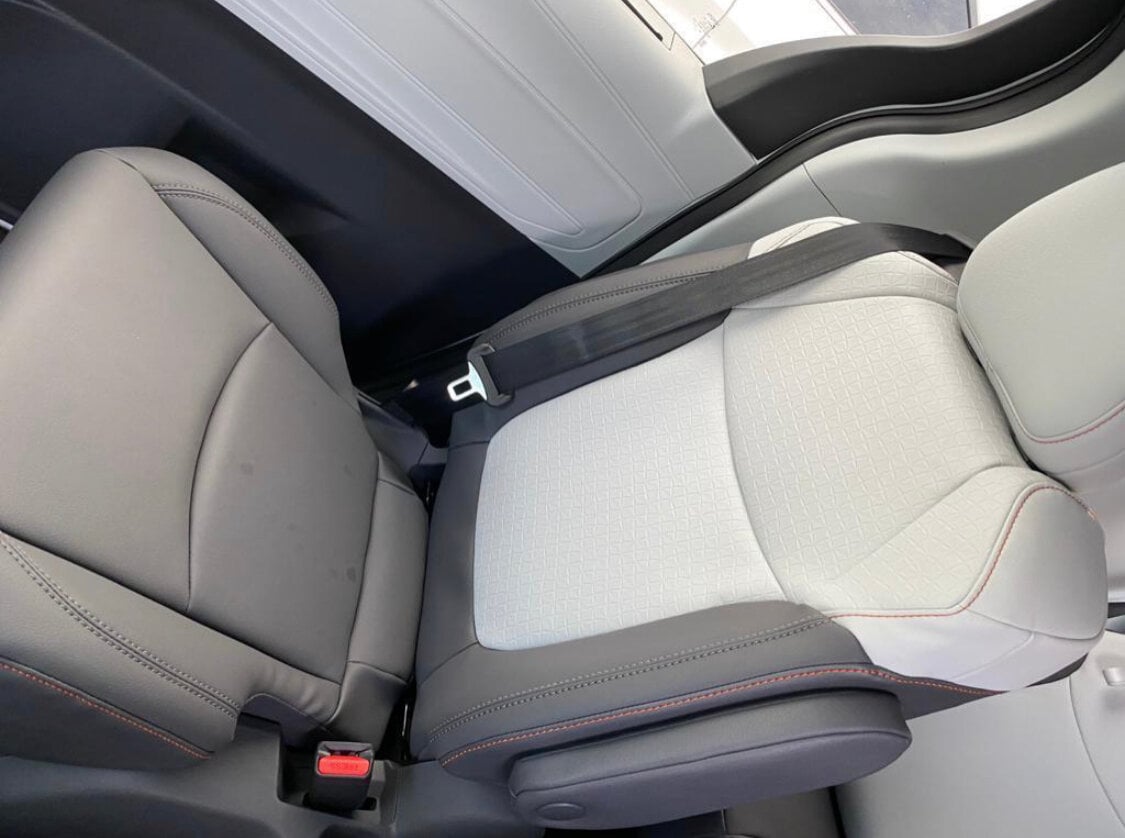
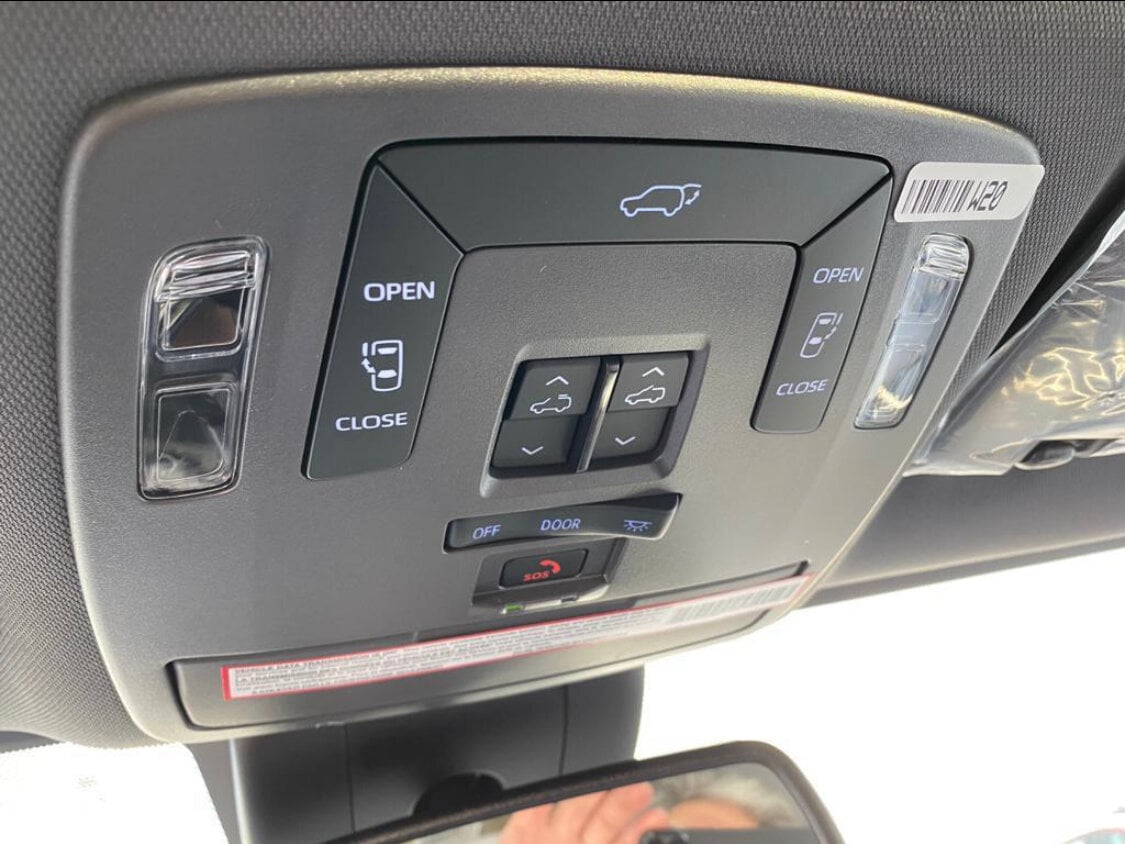
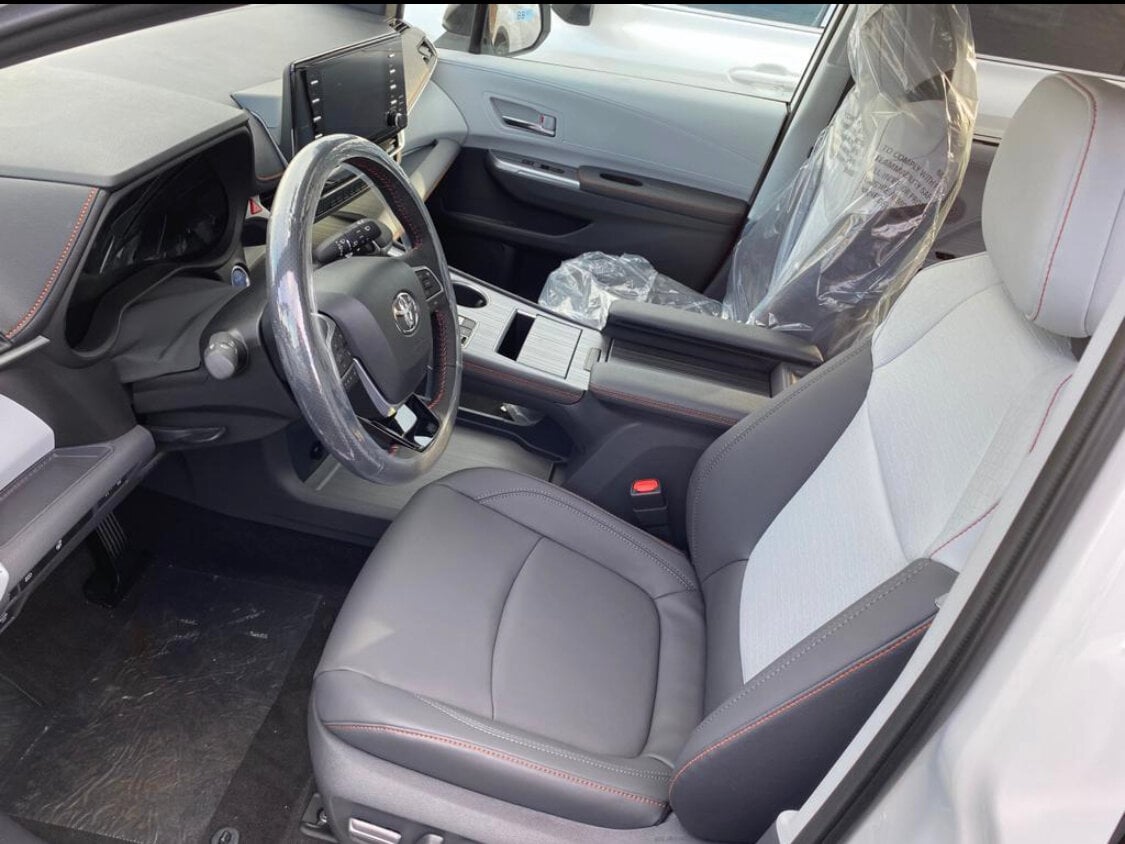
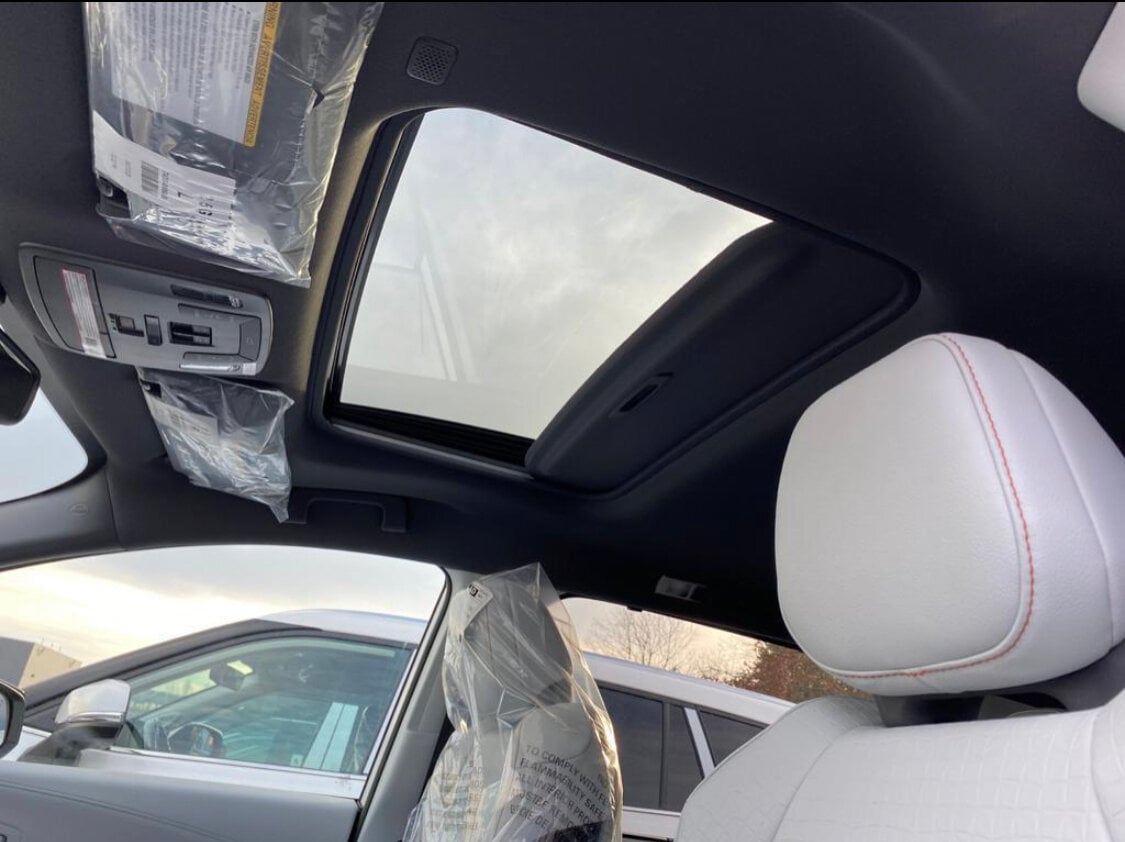
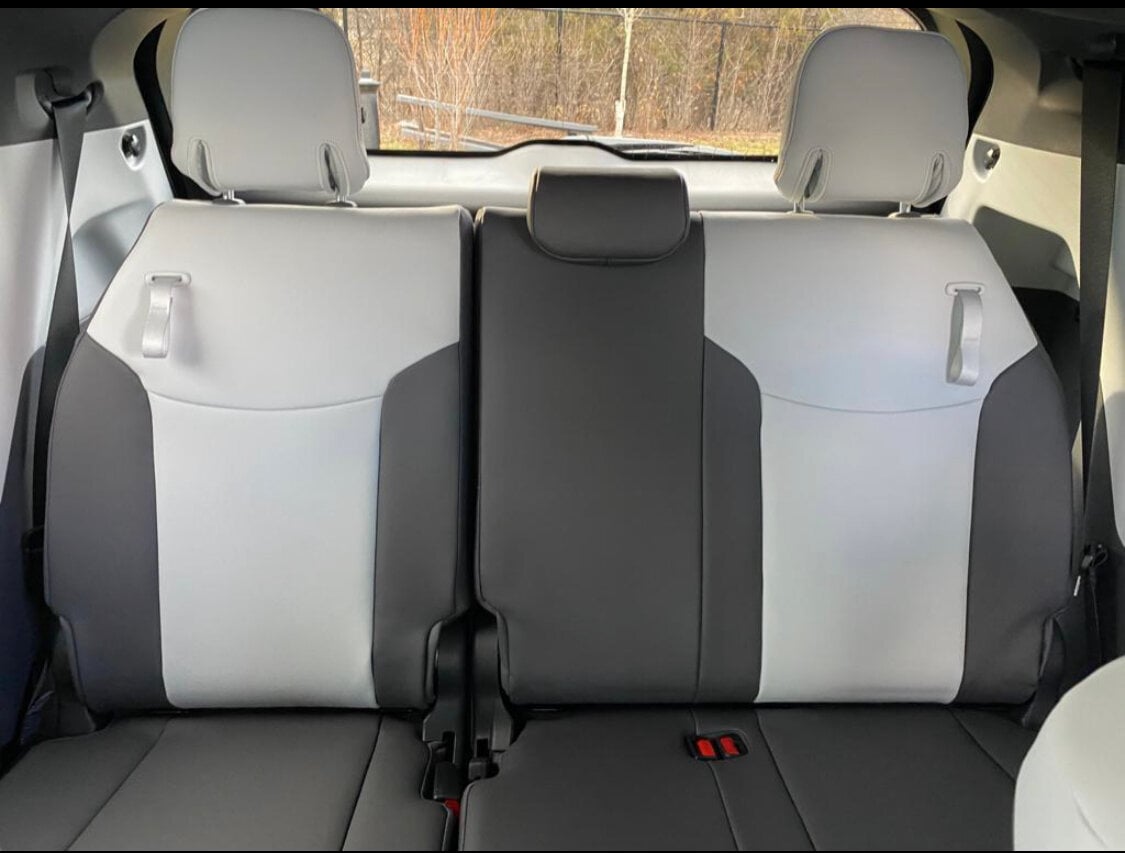
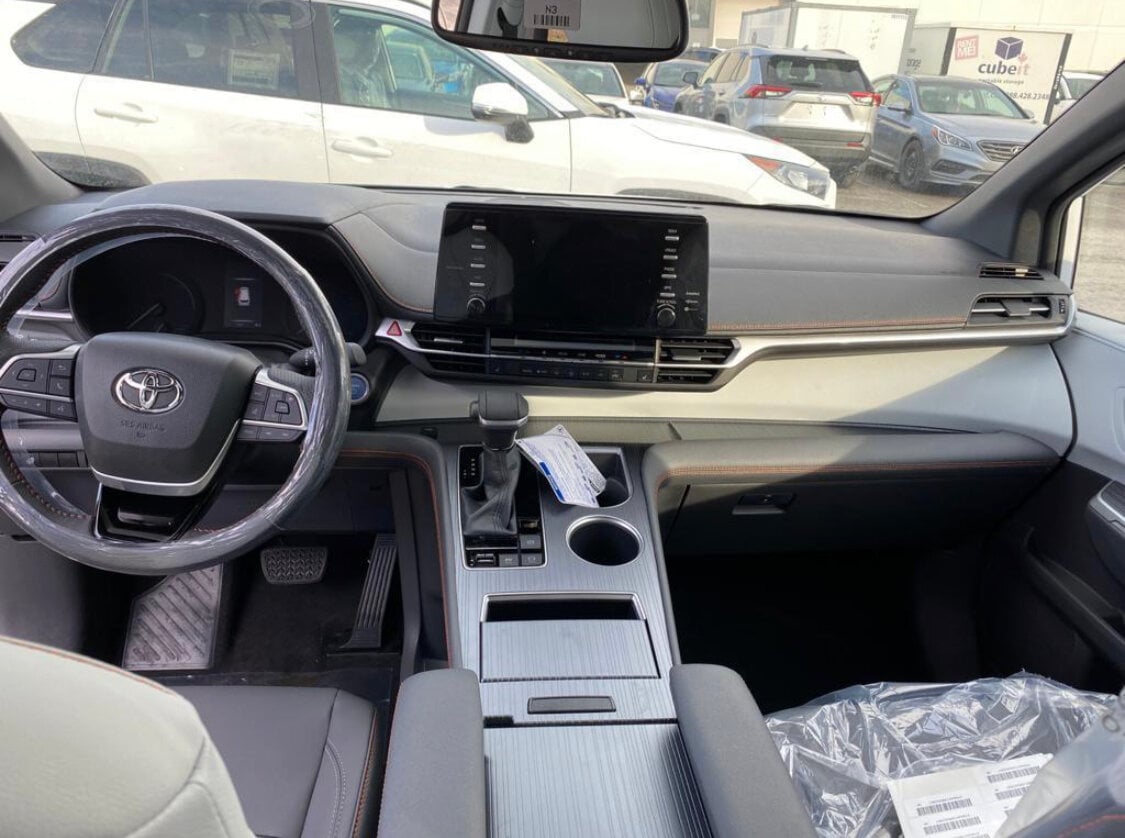
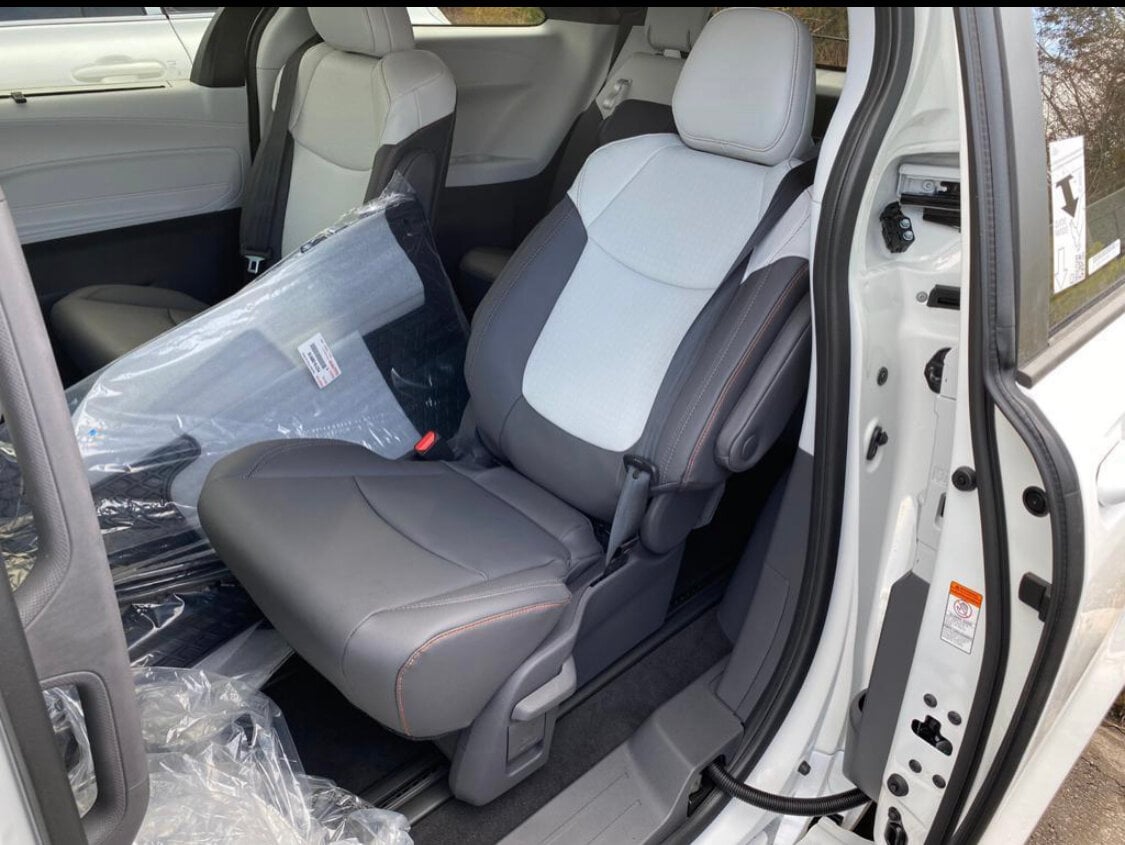
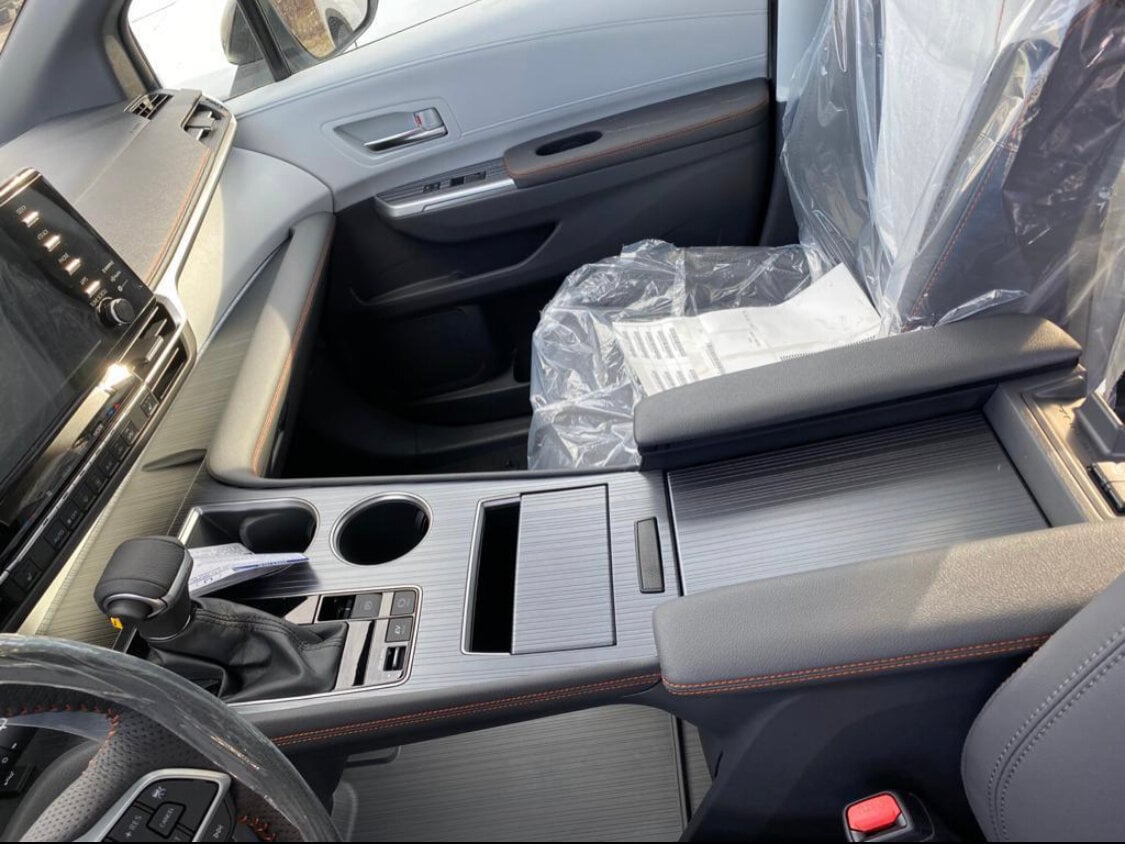
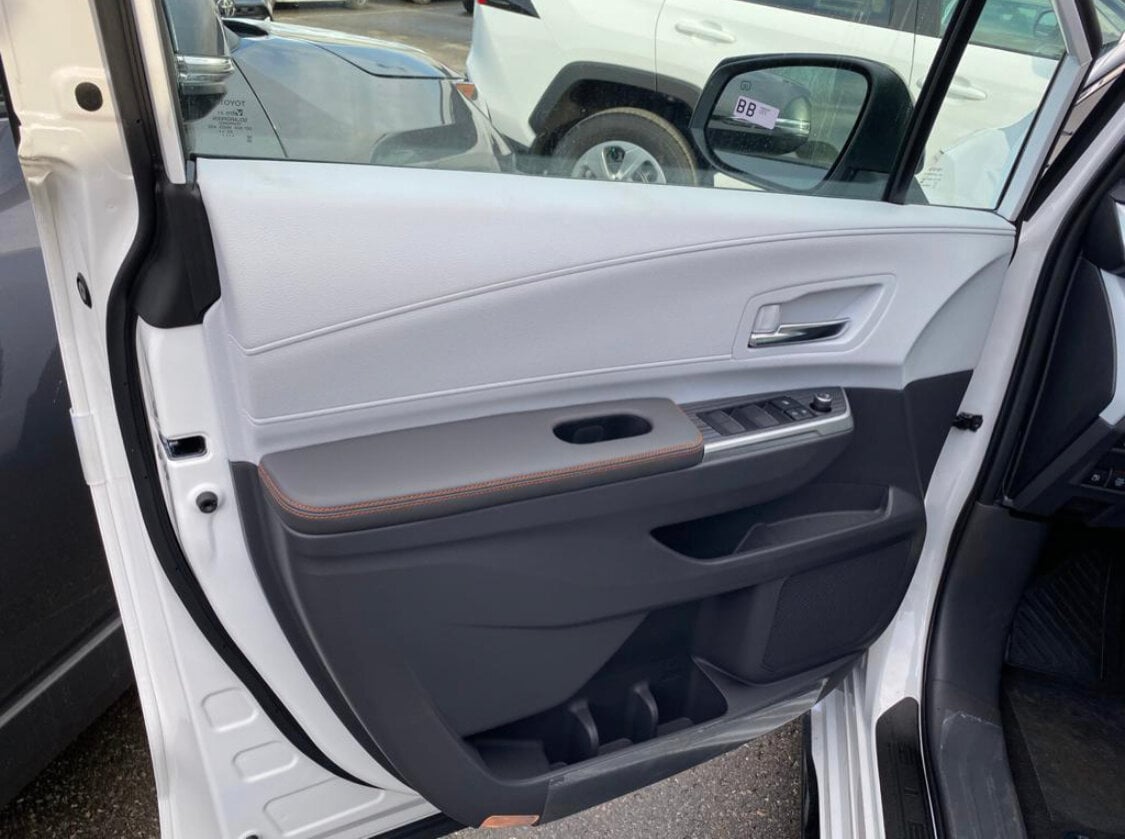
If you ask serious Sienna tuning customers what they actually care about, 80% will say the interior. The XL40 already ships with a genuinely good cabin — second-row captain chairs with 25-inch slide travel, available tri-zone climate, and panoramic moonroof. The aftermarket pushes this into Rolls-Royce Phantom territory.
Captain chair conversion: Japanese coachbuilders replace the OEM second-row chairs with bespoke business-class seats featuring full recline (footrest deployable from the seat base), heating and ventilation, massage function, integrated tray tables and USB-C and wireless charging. Seat upholstery options include full Nappa leather, Alcantara panels, and Japanese quilted fabric. A complete 2-seat rear conversion typically reduces 7-passenger capacity to 4 — the correct trade-off for a luxury transport brief.
Starlight headliner: Fibre-optic ceiling panels that replicate the Rolls-Royce starlight effect. A 1,500-fibre programme covers the full headliner and both rear pillars. Controllers allow colour temperature selection and a slow twinkle animation. Installation requires headliner removal and a 6-8 hour professional fit time.
Rear entertainment: 15-inch Android-based screens mount into each B-pillar with swing-out arms, replacing the OEM 11-inch flip-down. HDMI, Apple CarPlay wireless mirroring and 4G SIM-card slot are standard on current Japanese-market rear screens. Dolby Atmos-compatible surround sound completes the package — four-speaker rear fill plus a powered sub behind the third-row seat base.
Ambient lighting: 64-colour LED strips recessed into the dash, door cards and footwells. Sync capability with the Sienna's existing interior lighting bus is available through a CAN bus interface module. Middle Eastern customers frequently request a prayer-time notification mode that shifts the ambient colour at Maghrib and Fajr.
Refrigerator and minibar: Fits between the second-row captain chairs in place of the centre console. 18-litre compressor-type fridge units (not thermoelectric — the hybrid 12 V system has the capacity) operate without audible noise. Champagne compartment with glass holders is a popular option for UAE clients.
How an Order Works
Ordering a Sienna upgrade from Hodoor is designed to be direct and transparent. Here is exactly what happens from your first message to the moment you collect your van.
Step 1 — Send your enquiry. Email [email protected] with your model year, trim level (XLE, Limited, Platinum), drivetrain (FWD or AWD), current wheel size, and a short description of what you want — body kit, interior conversion, wheels, or a full build. Attaching two photos of the van (front three-quarter and rear three-quarter) helps enormously. WhatsApp enquiries are also accepted via the contact page.
Step 2 — Fitment confirmation. A Hodoor technician cross-references your VIN against our fitment database within one business day. For the Rowen wide-body we verify the specific front bumper variant on your model year (there was a minor revision between 2021 and 2023 production). For wheels, we confirm bore diameter, offset clearance and load rating. You receive a written fitment note — not a vague "should fit" — a confirmed specification sheet.
Step 3 — Invoice and payment. We issue a pro-forma invoice itemising each part, shipping method and any customs duties applicable to your country. Payment is accepted by bank transfer, Wise, or card via our secure checkout. A 50% deposit confirms the order; the balance is due before dispatch.
Step 4 — Shipping timeline. In-stock items ship within 3-5 business days from our warehouse. Special-order items from Rowen or Japanese suppliers take 3-6 weeks. We send a tracking link the moment your consignment leaves the warehouse, and provide customs documentation for UAE and GCC destinations.
Step 5 — Installation. For interior conversions we recommend professional fitting at a coachbuilder we can refer in your region. Body kits and wheels can be installed at any competent bodyshop; we supply a printed fitting guide and are reachable by video call during installation if the fitter has questions.
Step 6 — Post-install checks. Wheel alignments must be performed after any suspension change — we recommend a 4-wheel laser alignment. Body kit fitments should be checked for panel gap uniformity and all clips torqued to spec before painting. Interior conversions require a 50 km burn-in drive to settle seat mechanisms. We follow up by email two weeks after delivery to confirm everything is correct.
Frequently Asked Questions
Q: Will a body kit void the Toyota factory warranty?
A: In most markets, a cosmetic body kit fitted without modifying the chassis or powertrain does not affect the powertrain warranty. However, any damage caused directly by the kit — for example, a wide-body arch that contacts a suspension component — would not be covered. We supply fitment documentation that clarifies the interface between kit and chassis for warranty discussions with dealers.
Q: What does a full interior conversion cost?
A: A complete rear cabin conversion — two business-class captain chairs, starlight headliner, 15-inch rear screens, ambient lighting and refrigerator — typically falls in the USD 18,000-32,000 range depending on leather grade, screen specification and detail work. A captain-chair-and-headliner-only conversion can be completed from USD 9,000. All pricing is for parts; installation is quoted separately by your local fitter.
Q: Can I run 20-inch wheels on the hybrid AWD without recalibrating the speedometer?
A: The XL40 hybrid uses wheel speed sensors for both its traction management and fuel economy calculation. A tyre with rolling circumference within +/-2% of OEM (245/40R20 on a 20-inch rim is approximately 1.5% shorter than OEM) requires no recalibration and will not throw warning lights. Anything outside +/-2.5% should be corrected via a speedometer recalibration tool available from Japanese OBD specialists.
Q: Is the Rowen wide-body legal for road use in Europe and the GCC?
A: Rowen kits are manufactured for the Japanese domestic market and do not carry TUV or GCC type-approval as standard. In the UAE and Saudi Arabia, the kit can be registered with a workshop-issued modification certificate and a vehicle inspection. In Germany, France and the Netherlands, a TUV Einzelabnahme (single-vehicle inspection) is required. Hodoor can assist with documentation preparation for most markets — ask our team when you enquire.
Build your Sienna with Hodoor
From fitment confirmation to your door. Every part verified for the XL40 platform.
[email protected]