Aston Martin Vanquish Tuning Guide 2026 — Body Kits, Wheels & Performance


The Aston Martin Vanquish name has carried Aston's flagship GT lineage since 2001, when the original V12 Vanquish launched as the last car personally approved by Ian Callum and later made globally famous by James Bond in Die Another Day. This guide covers the two modern eras that the nameplate is defined by today: the second-generation Vanquish (2012-2018), internally AM310, built on Aston Martin's bonded aluminium VH (Vertical/Horizontal) architecture with the 5.9-litre AM11 naturally aspirated V12; and the all-new third-generation Vanquish (2024+), internally AE31, an entirely new car built on a fresh bonded aluminium spaceframe derived from the DB12 platform and powered by Aston's reborn 5.2-litre twin-turbo V12 producing 824 hp. Because the Vanquish slug covers both eras, this guide documents real tuner programmes — Mansory, Wheelsandmore, Quicksilver Exhausts, Capristo, Eventuri, Hennessey, Edo Competition, Carlex Design — that are specifically validated for each generation.
Vanquish — Key Specifications (2nd-gen vs 3rd-gen)
Platform Overview — VH Architecture vs New DB12-Derived Spaceframe
Understanding Vanquish tuning begins with understanding that the two generations are completely different cars sharing only a nameplate and a 12-cylinder engine layout. The 2nd-generation Vanquish (AM310, 2012-2018) rides on Aston Martin's bonded aluminium VH architecture — the "Vertical/Horizontal" philosophy of shared scalable chassis modules that underpinned the entire 2004-2018 Aston lineup including DB9, DBS, Rapide, Virage and Vanquish S. VH is a glued-and-riveted aluminium tub with carbon-fibre body panels; the AM11 5.9-litre NA V12 sits front-mid, driving a rear-mounted transaxle. Aston mandated the Touchtronic III 7-speed automated transmission specifically because the NA V12's character demanded longer gear ratios and unbroken throttle response rather than a dual-clutch. Critically for tuners: parts developed for DBS and Vanquish S are largely interchangeable with 2nd-gen Vanquish, which is why Mansory, Wheelsandmore and Quicksilver have deep parts catalogues for this generation. The 3rd-generation Vanquish (AE31, 2024+) is a clean-sheet car: bonded aluminium spaceframe extended from the DB12 platform with additional reinforcement for the front-mid V12 installation, a fully re-engineered 5.2-litre AE31 twin-turbo V12 (Aston's deliberately "reborn" flagship V12 after the DBS Superleggera ended production), and an 8-speed ZF auto with an electronically locking rear differential. Tuners working on AE31 — Eventuri, Wheelsandmore's twin-turbo Stage 2 programme, Mansory's new AE31 kit — are working with fresh hardware that shares parts philosophy, not parts, with the older car.
Body Kits
Mansory — Vanquish Final Edition (AM310) & new AE31 programme
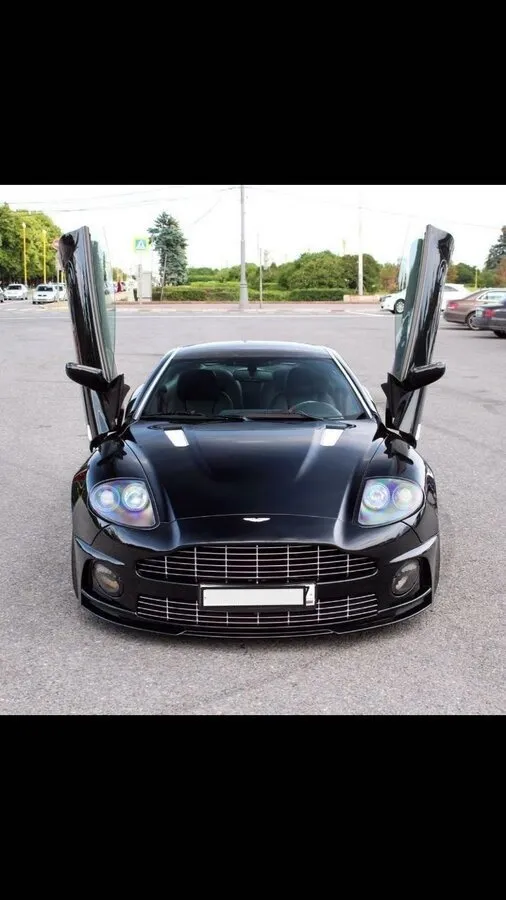
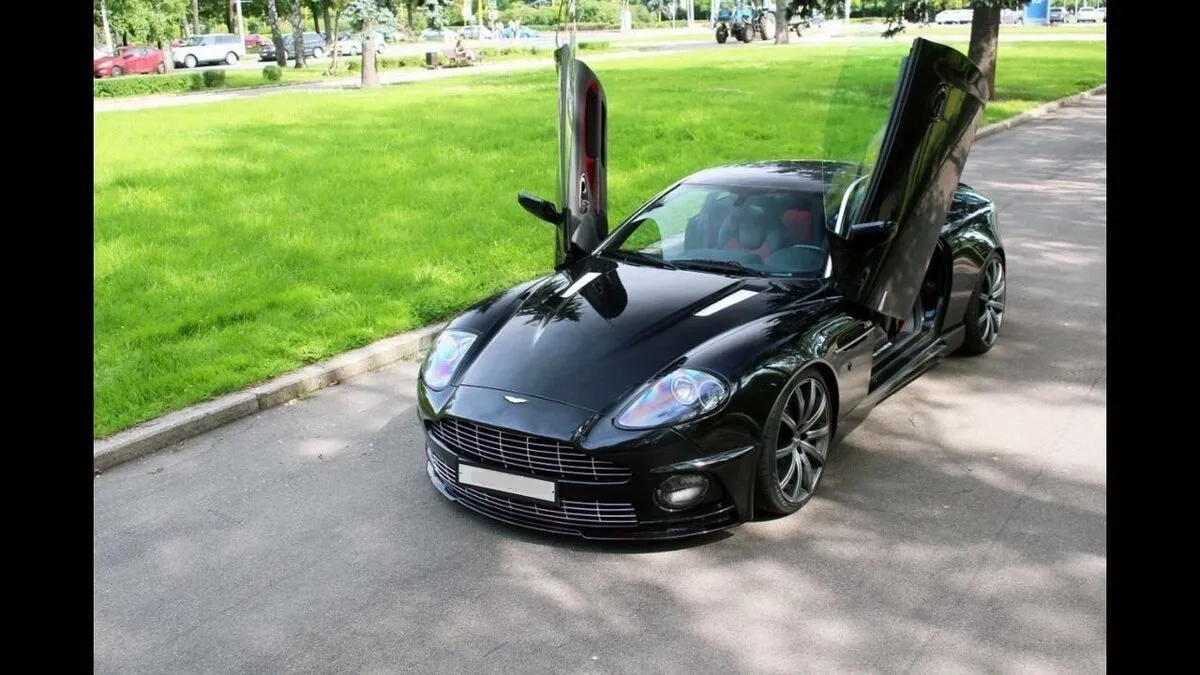
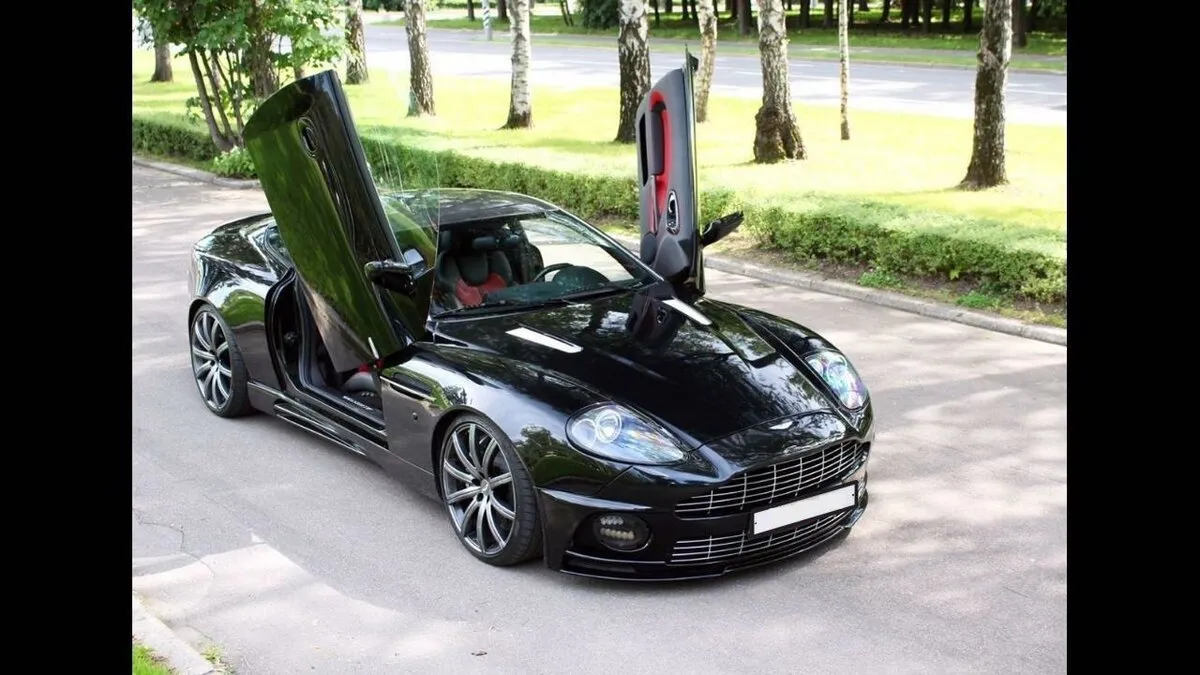
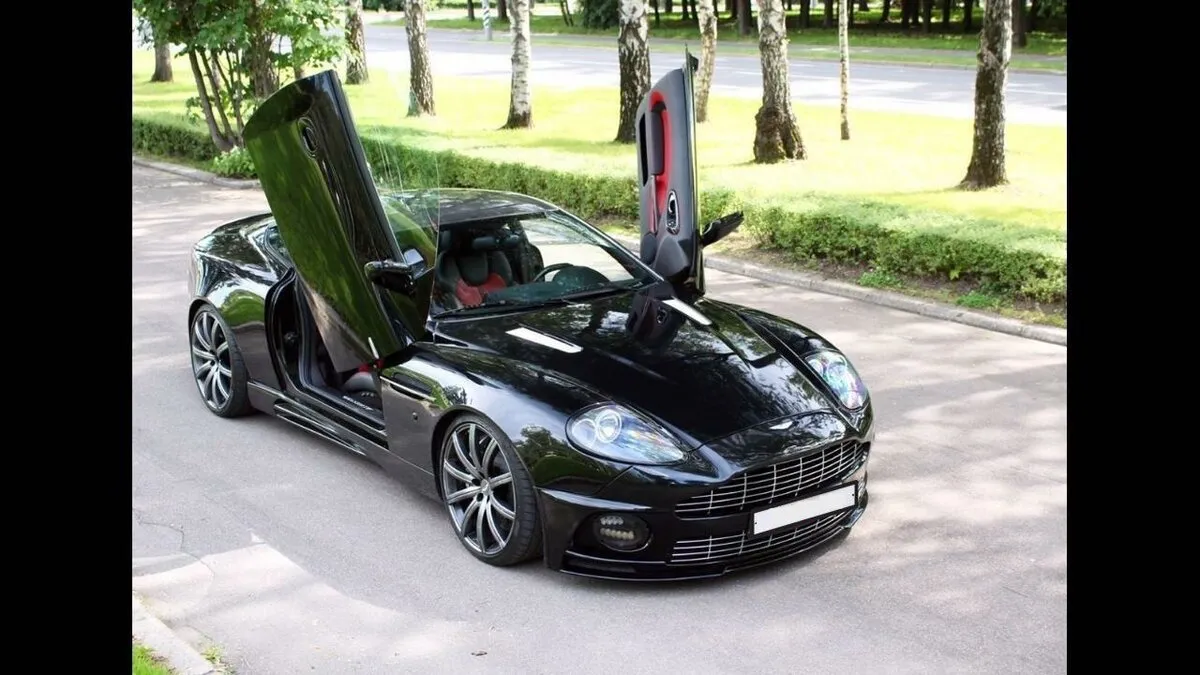
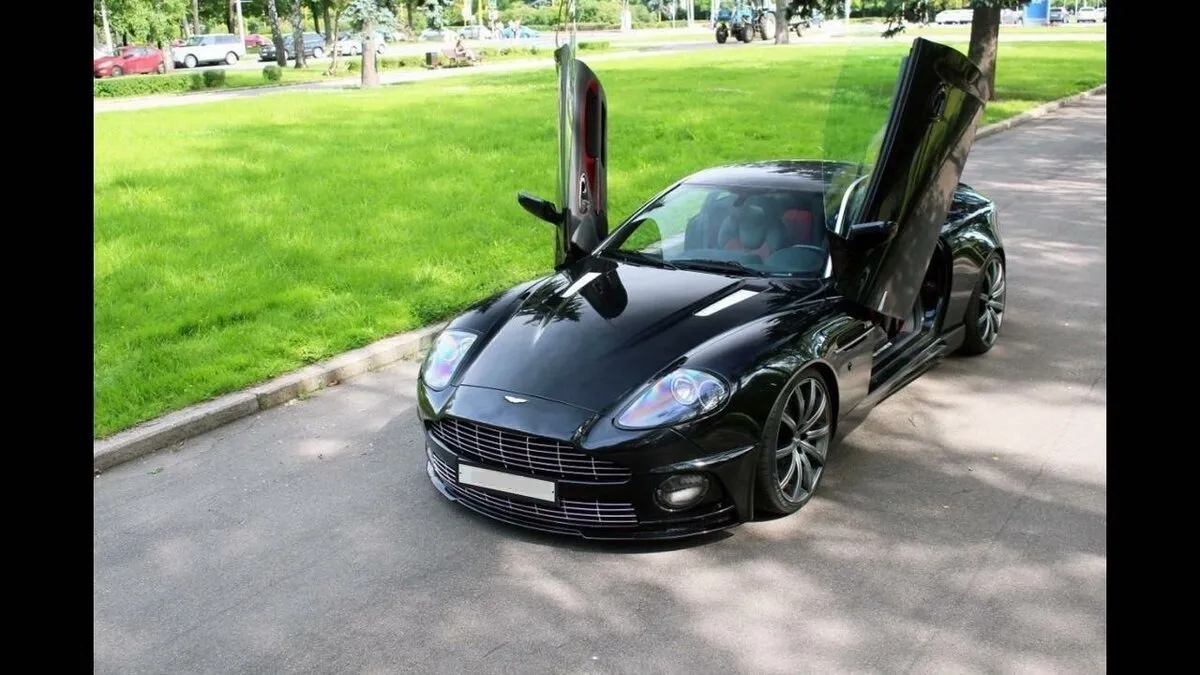
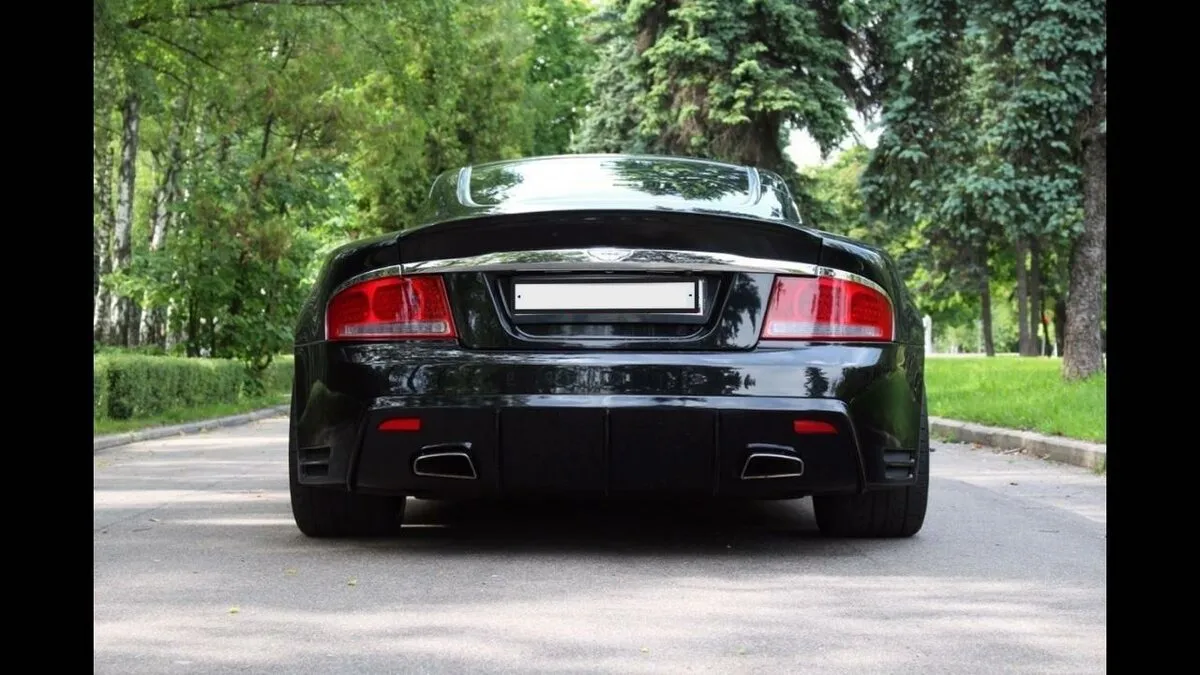
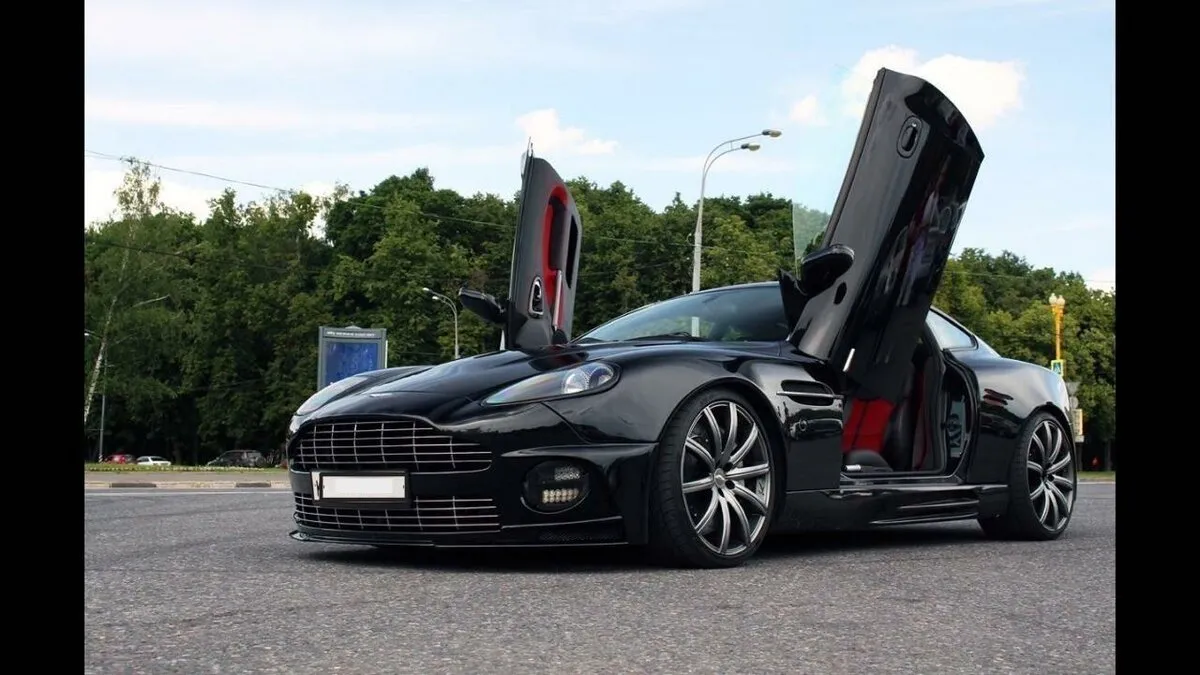
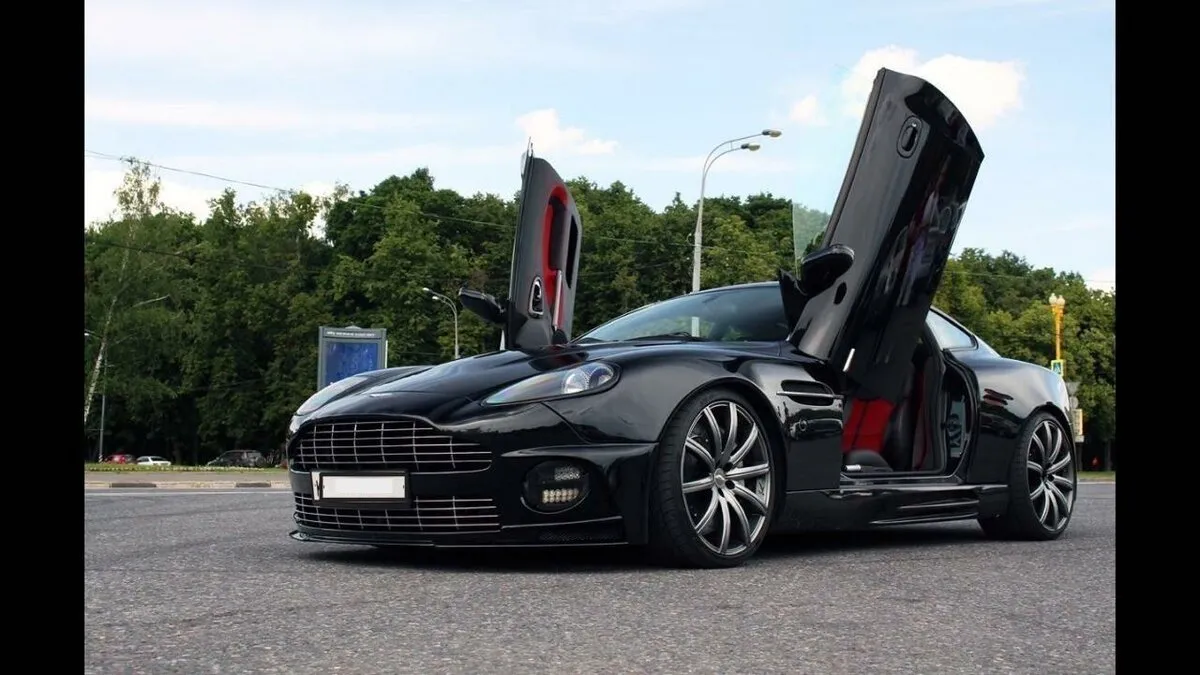
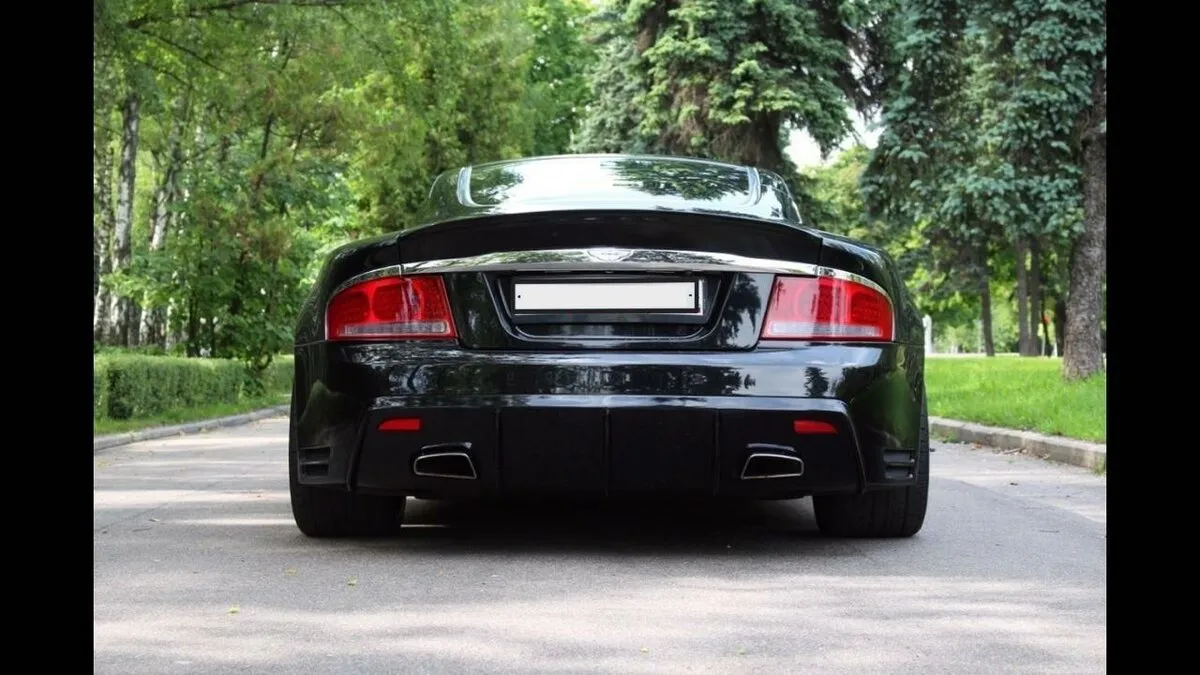
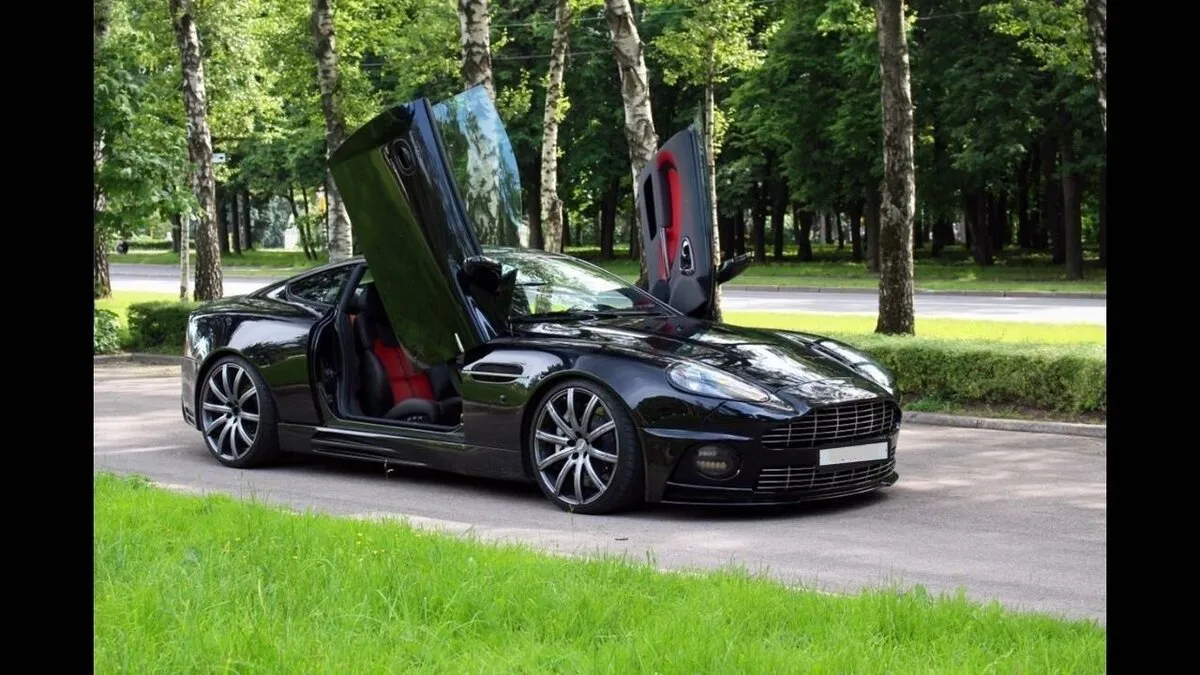
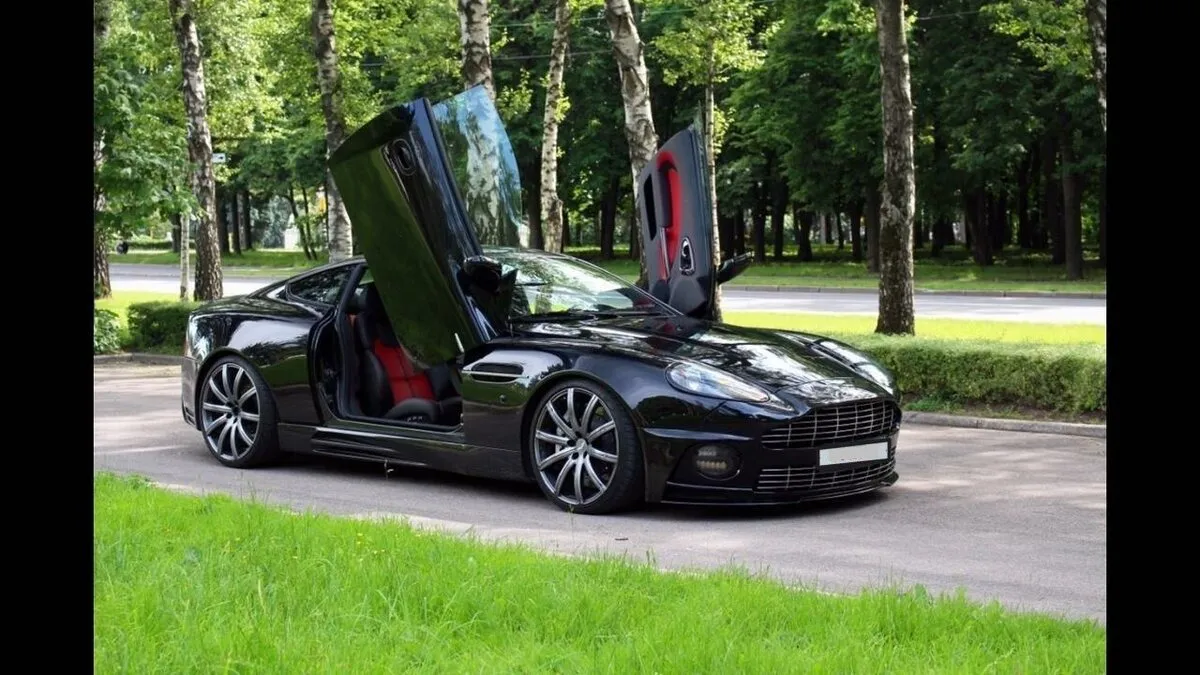
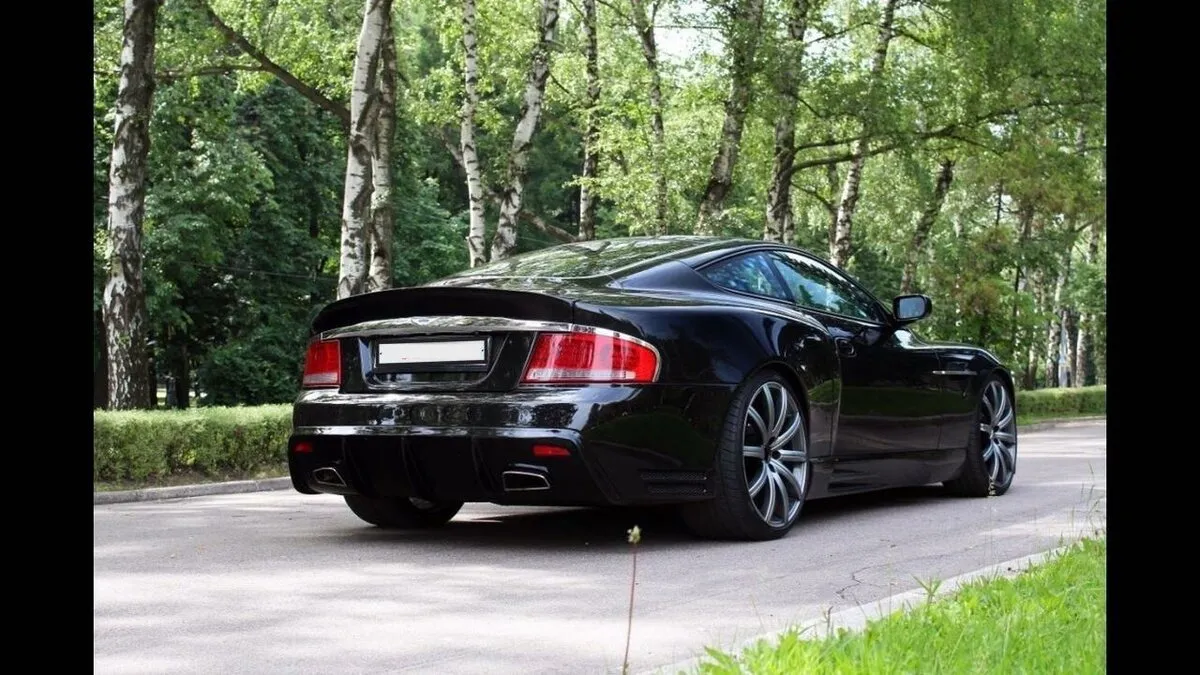
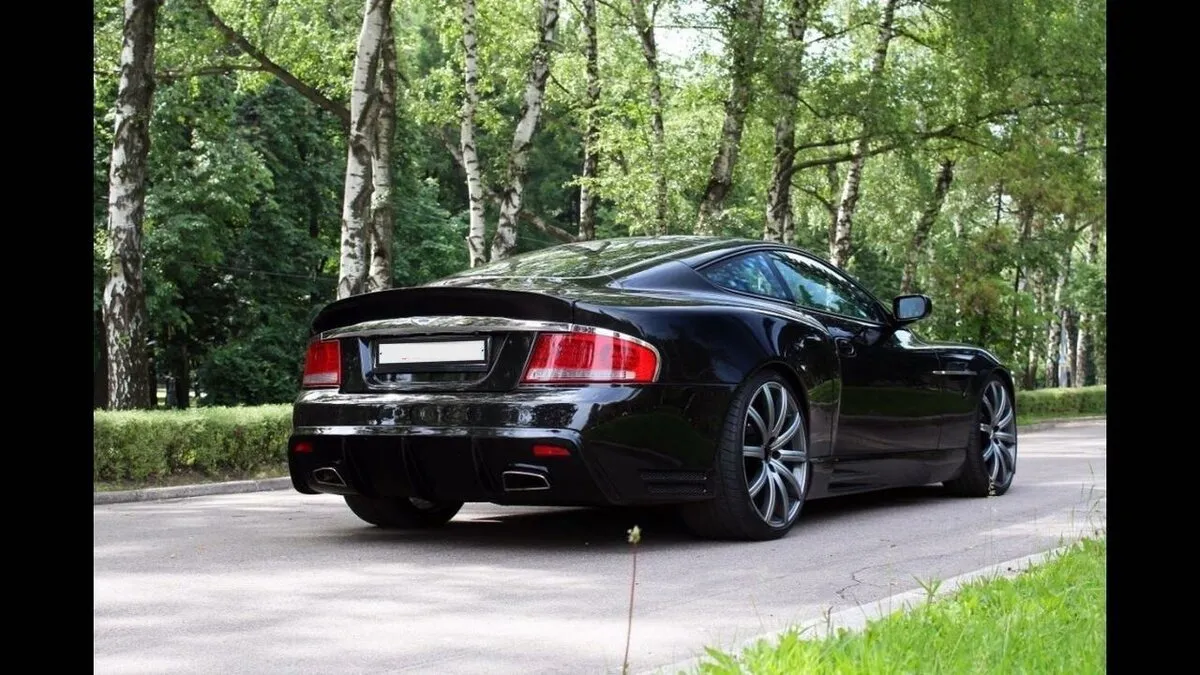
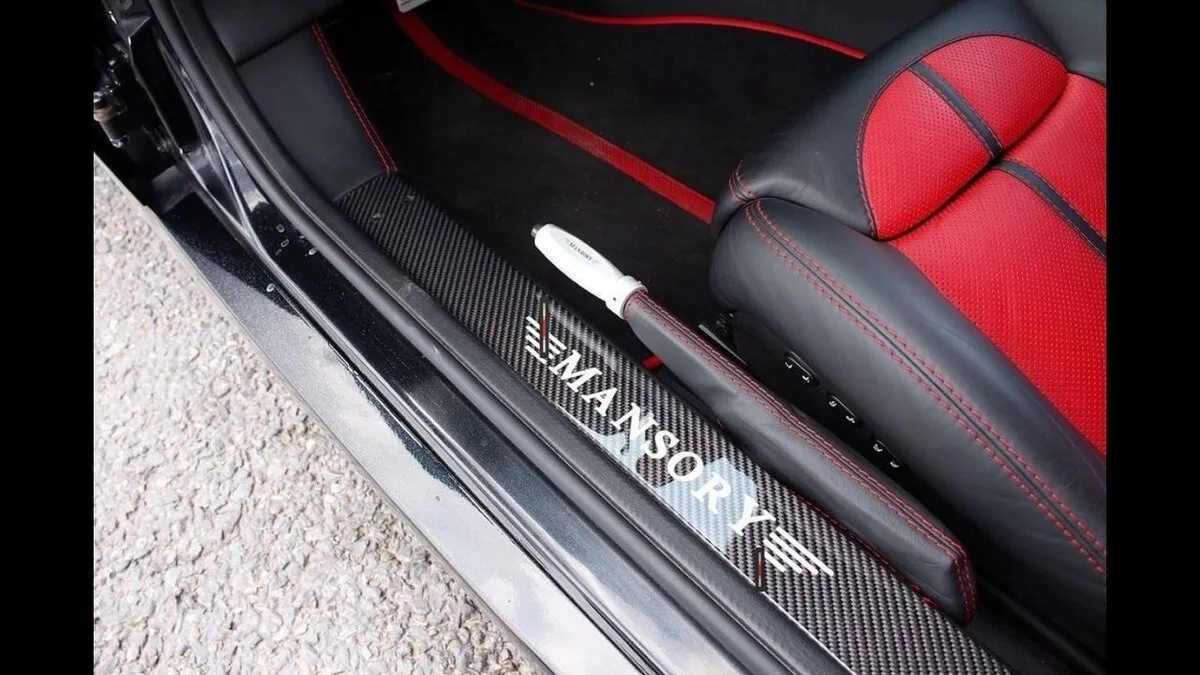
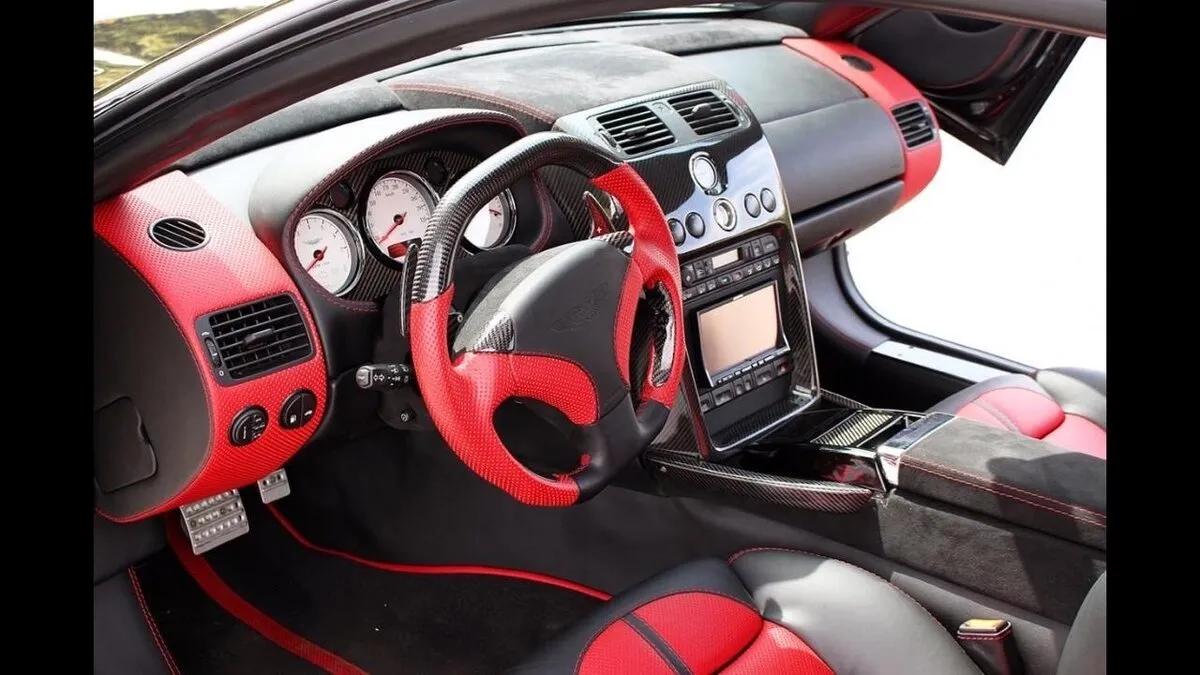
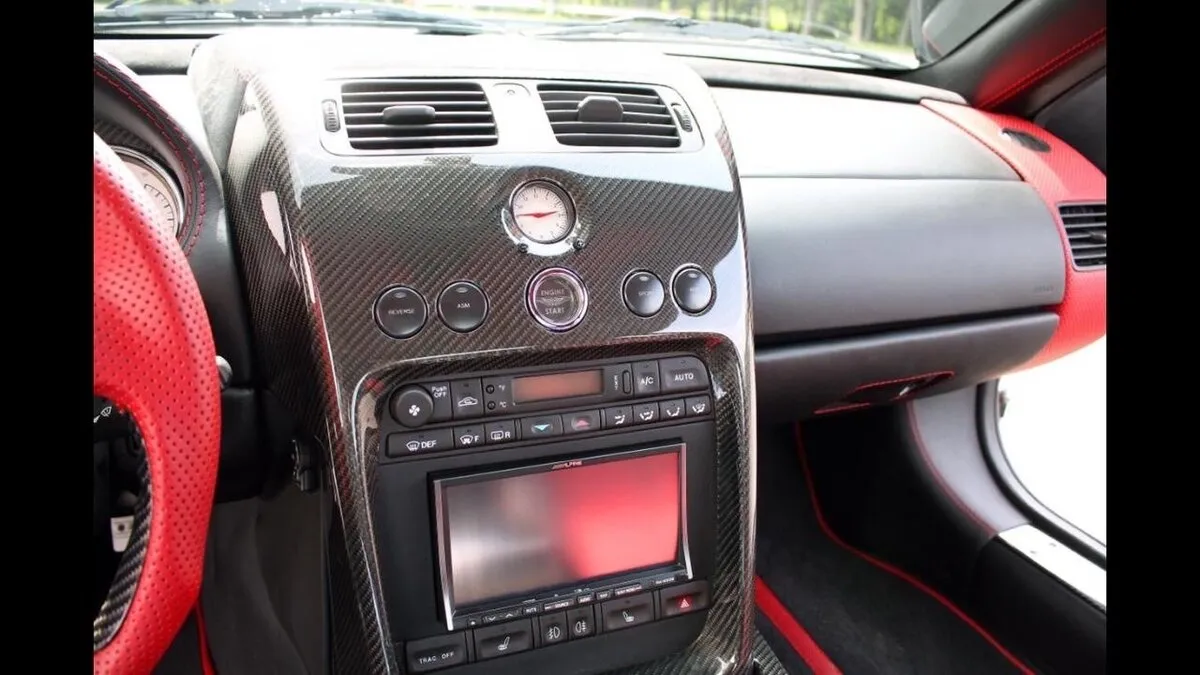
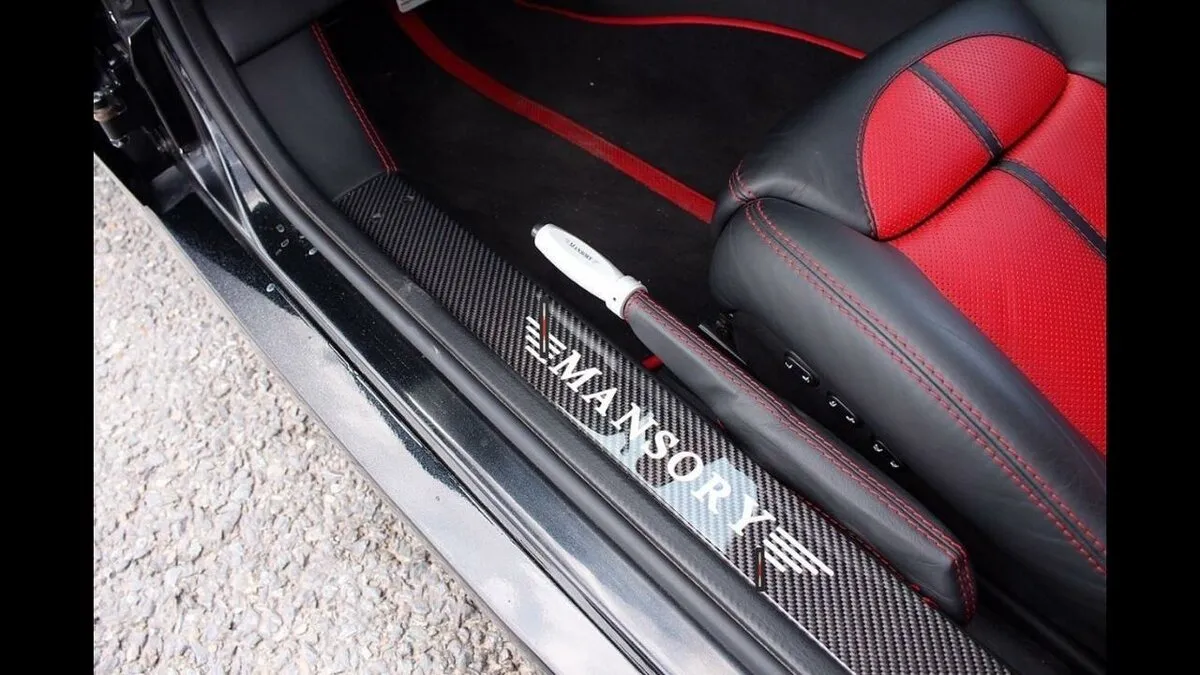
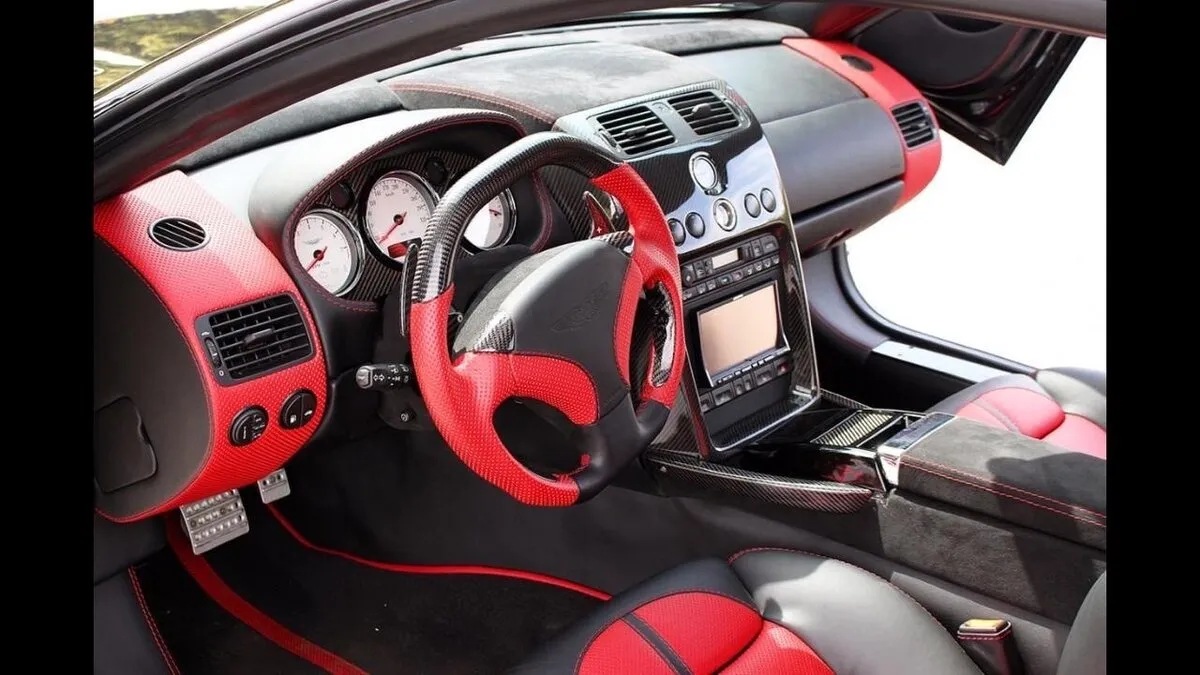
Mansory's Vanquish Final Edition kit for the 2nd-generation car, launched before AM310 production ended in 2018, became iconic — a full carbon-fibre widebody with replacement front bumper featuring enlarged intakes and canards, fender flares with integrated vents, carbon side skirts with LED-lit blade elements, a vented carbon bonnet and a two-tier carbon rear diffuser with quad outlets. Mansory paired the Final Edition with forged 21-inch wheels and a full leather-and-carbon interior retrim. For the new 3rd-generation AE31 Vanquish, Mansory has developed an entirely new kit continuing the visual language — bolt-on carbon widebody arches, replacement front fascia with larger radiator intakes to feed the twin-turbo V12, carbon roof and rear diffuser, paired with Mansory's 22-inch forged wheels. Mansory is the reference theatrical Vanquish kit in both eras; cars typically appear in Middle Eastern registrations (Dubai, Doha, Riyadh) finished in Mansory signature colours like Magma Red, Imperial Gold or Black Crystal.
Wheelsandmore — forged wheels, ECU & exhaust (both generations)
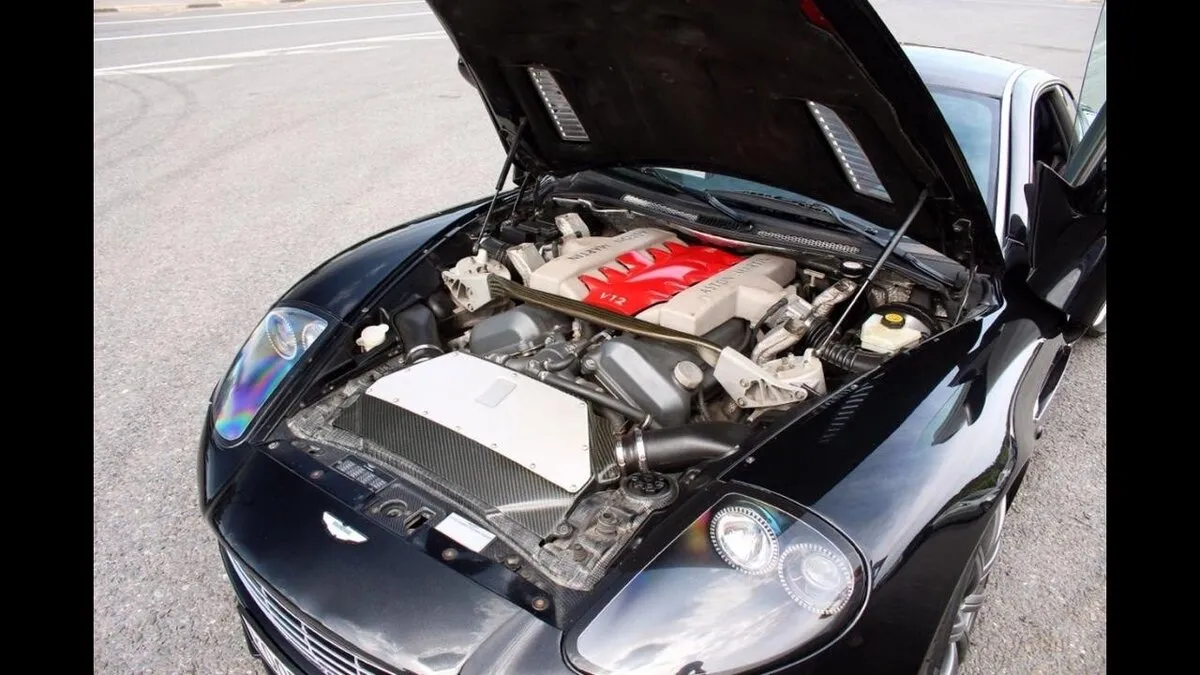
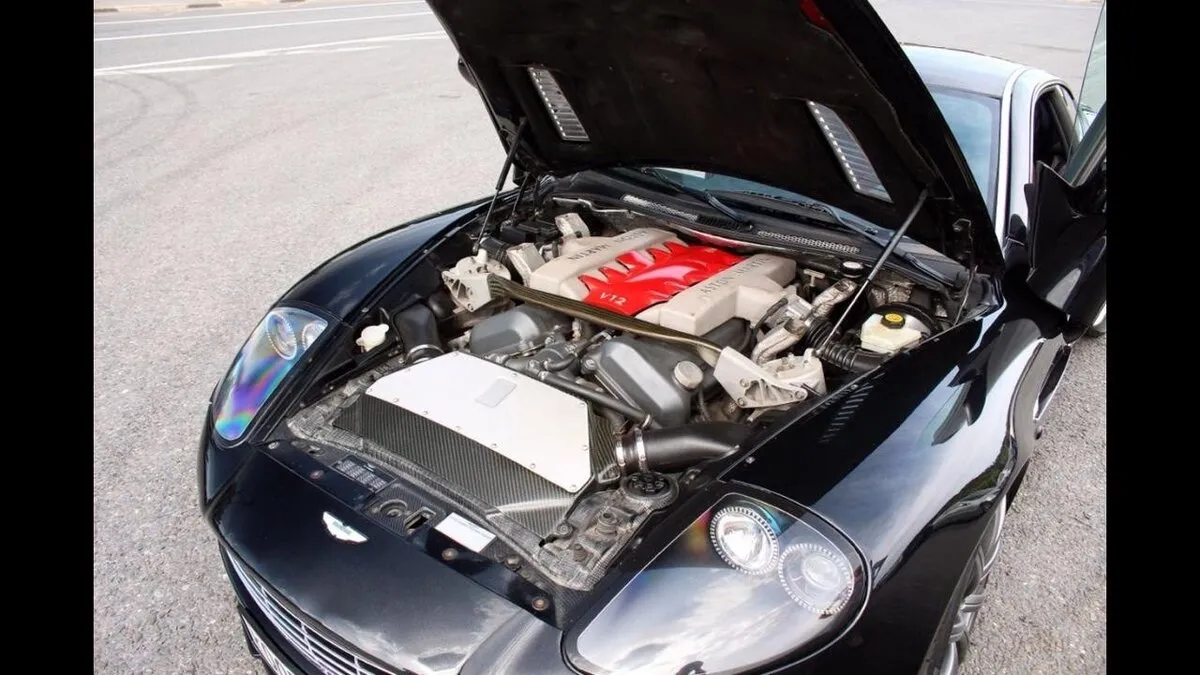
Wheelsandmore (W&M, Germany) runs the most comprehensive Vanquish programme of any tuner across both generations. For the 2nd-gen AM11 NA V12, W&M offers a Stage 1 ECU recalibration and a stainless-steel exhaust system (taking 595 hp to roughly 620 hp) and a Stage 2 programme adding cams and headers (roughly 640 hp, the practical ceiling for a naturally aspirated V12 without internal work). For the 3rd-gen AE31 twin-turbo V12, W&M's Stage 1 ECU flash takes 824 hp to approximately 860 hp, and Stage 2 with larger intercoolers, downpipes and a full valve-controlled exhaust reaches approximately 880 hp and 1,100 Nm. W&M also offers its own forged wheel ranges in both 21-inch (2nd-gen) and 22-inch (3rd-gen) fitments. This is the "complete package" option for owners who want ECU, exhaust and wheels from a single supplier with integrated warranty.
Hofele Design — elegant German treatment (2nd-gen)
Hofele Design offers a quieter, more heritage-respectful programme for the 2nd-generation Vanquish — subtle front splitter, revised side-sill profiles, a formal carbon rear diffuser element and discreet bright-metal accents, paired with 21-inch forged wheels in mesh or multi-spoke designs. Hofele builds are the natural choice if the Vanquish is to be preserved as a future collector car — the kit is unobtrusive, OE-quality finished and fully reversible. Hofele has not announced a 3rd-gen AE31 programme at time of writing, so AE31 owners wanting a conservative German treatment typically go with OEM Aston Martin Q by Aston bespoke carbon.
Eventuri — carbon airbox for AE31
Eventuri (UK) is the reference carbon intake manufacturer for modern supercars, and their carbon airbox programme for the 3rd-gen Vanquish AE31 replaces the factory airbox with a hand-laid pre-preg carbon intake designed to reduce turbulence and feed cooler air to the twin-turbo V12. On its own the Eventuri adds modest peak gains (roughly +15 hp), but is usually installed alongside a Wheelsandmore or Mansory Stage 1 ECU flash as the foundation of a complete intake-exhaust-ECU package. Eventuri does not offer a 2nd-gen NA V12 airbox — the AM11 uses a different intake layout and was never a priority for the company.
Edo Competition & Hennessey (limited work, both generations)
Edo Competition (Germany) did occasional 2nd-generation Vanquish builds focused on exhaust and wheel upgrades rather than full body kits, and is mentioned here for reference — their work surfaces at collector auctions and is considered a well-engineered but rare programme. Hennessey (Texas) has done limited Vanquish tuning — focused on the US market with ECU and exhaust packages on both the AM11 and early AE31 cars. Neither Edo nor Hennessey is a volume tuner for this family; the core programmes for any Vanquish build remain Mansory, Wheelsandmore and Quicksilver.
Wheels — 21" & 22" Forged Sweet Spots
Both Vanquish generations run staggered rear-wheel-drive fitments; factory is 20-inch forged on the AM310 and 21-inch forged on the AE31. Aftermarket builds almost universally step one size up from stock. For the 2nd-generation Vanquish the sweet spot is 21×9.0J ET25 front and 21×11.0J ET40 rear, wrapped in Michelin Pilot Sport 4S or Pirelli P Zero (street use) / Pirelli P-Zero Trofeo R (track-focused builds) in 255/35 ZR21 front and 305/30 ZR21 rear. Recommended forged wheels: HRE P101 (the classic five-spoke Vanquish fitment, available in Brushed Clear or Satin Black), ADV.1 ADV5.0 (concave mesh), BBS LM-R (cross-spoke, heritage) and Brixton PF-Series (forged multi-spoke). For the 3rd-generation AE31 Vanquish the sweet spot is 22×9.5J front and 22×12.0J rear in Michelin Pilot Sport 4S (295/30 ZR22 front, 325/25 ZR22 rear) — ANRKY AN39 (split-spoke forged), HRE P200 and Wheelsandmore's own F.2 forged are the dominant choices. Note that AE31 ships with a larger front brake package than AM310, and not every wheel design clears the front calipers — always confirm fitment against chassis number before ordering forged. Tyre pressure monitoring sensors for both generations are Aston-specific (not BMW/Audi) and must be cloned or re-coded when switching wheel sets.
Performance — Stage 1 / Stage 2, Quicksilver, Capristo & Brembo CCM-R
Performance upgrades differ fundamentally between the two generations because one is naturally aspirated and the other is twin-turbo. 2nd-gen AM11 V12 NA — the 595 hp ceiling of a naturally aspirated engine is close to its physical limit, so realistic gains are modest: Wheelsandmore's Stage 1 (ECU plus exhaust) yields approximately 620 hp, and Stage 2 (Stage 1 plus cams and headers) reaches roughly 640 hp. Anything beyond that requires forced induction or internal work and is rare. The more rewarding modification on the NA V12 is exhaust: Quicksilver Exhausts (UK specialist for AM12-era) offers a valve-controlled stainless system that transforms the character of the car — silent in comfort, full-throated operatic V12 with valves open, TÜV approved. Capristo offers a comparable valve-controlled exhaust with slightly more aggressive tuning when opened. 3rd-gen AE31 V12 TT — the twin-turbo layout has far more headroom. Wheelsandmore Stage 1 ECU flash raises 824 hp to ~860 hp; Stage 2 with intercoolers, downpipes and full valve exhaust reaches approximately 880 hp and 1,100 Nm. Quicksilver and Capristo both offer AE31-specific exhaust packages. For serious track use on either generation, Brembo CCM-R carbon-ceramic brake upgrades are the reference — OE-fitment replacement for Aston's factory carbon-ceramic option, with improved thermal capacity for repeated circuit braking.
Interior — Carlex Design & Q by Aston Bespoke
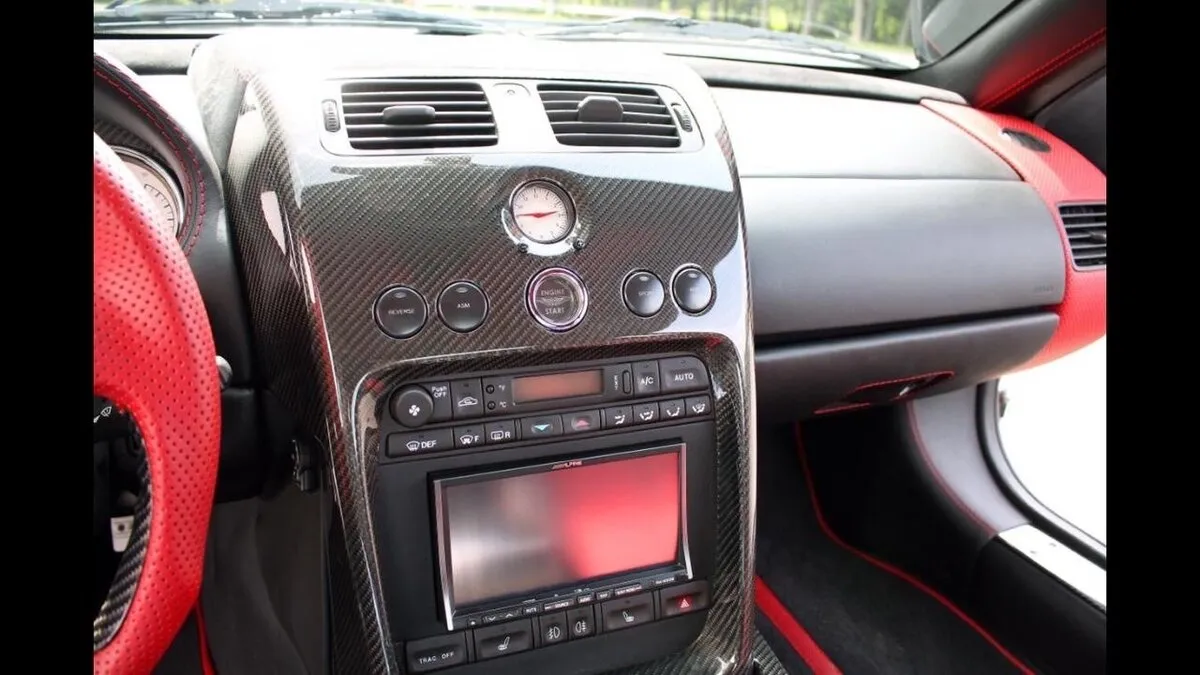
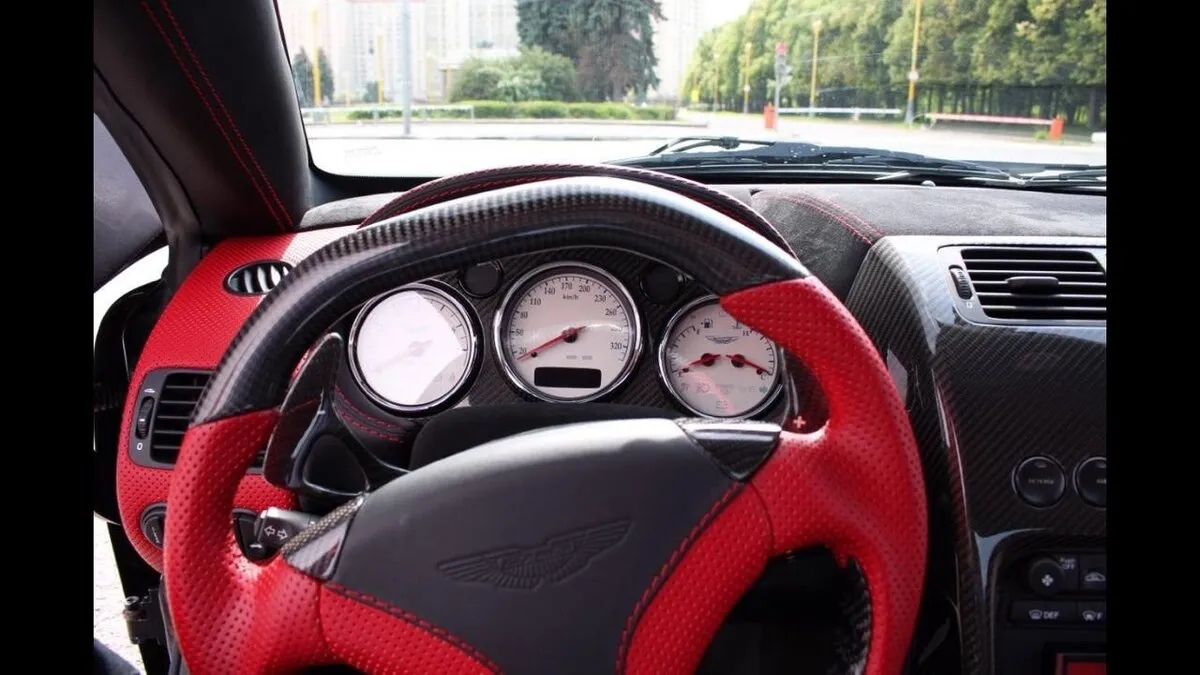
Both Vanquish generations support extensive interior bespoke work. Carlex Design (Poland) is the dominant aftermarket interior house for Vanquish — full leather re-trim in Italian Foglizzo hides, custom stitching patterns (quilted, diamond, pleated), contrast piping, Alcantara headliner, carbon-fibre or forged-carbon trim replacement, and custom threshold plates. Carlex's 2nd-gen Vanquish work is widely documented; their AE31 programme is under active development. The factory alternative is Q by Aston Martin — Aston's in-house bespoke division, which offers effectively unlimited material and colour customisation on new AE31 orders (Q can also retrim late-model 2nd-gen cars on referral). For existing 2nd-gen owners, Carlex remains the more common choice because it operates on the used car rather than requiring factory referral.
Vanquish By Region — How Owner Culture Shapes Tuner Choice
Aston Martin Vanquish tuning varies dramatically by registration market, and that variation is driven by local aesthetic culture more than by climate or regulation. UK and EU (heritage market) — British and continental-European Vanquish owners tend to stay close to OEM aesthetics. The 2nd-generation AM11 NA V12 is specifically revered as a classic by UK owners (many buying the 2017-2018 Vanquish S Ultimate Edition as future collector stock) and is typically modified conservatively: light Mansory carbon (front splitter and rear diffuser only), a Quicksilver valve-controlled exhaust, factory forged 20-inch wheels refinished in Satin Bronze or Satin Black. The philosophy is "enhancement, not transformation." Middle East (Dubai, Abu Dhabi, Riyadh, Doha) — Vanquish culture here is maximalist. Full Mansory widebody kits are the norm, frequently paired with gold-anodised accents (wheel centres, badges, exhaust tips), 22-inch wheels (on AE31) or 21-inch gold-finished forged (on AM310), and Wheelsandmore Stage 2 ECU on the 3rd-gen car for flat-out top-speed runs on Sheikh Zayed Road and the Dubai-Abu Dhabi highway. Finishes tend toward Magma Red, Imperial Gold, Black Crystal or pearlescent Mansory signature colours. Russia and CIS — Moscow and St Petersburg Vanquish owners favour a distinct blend: Carlex re-trim interiors (often in saddle Italian leather with contrast piping), body wraps over original paint rather than permanent respray (to preserve resale), 21-inch forged wheels in matt black or gunmetal, and a specific focus on auditory presence — Capristo or Quicksilver exhausts with valves fully open on the boulevard. The Russian Vanquish is an acoustic statement first, visual second.
Frequently Asked Questions
How does 2nd-generation Vanquish tuning differ from the 3rd-generation car?
The two cars share nothing beyond the nameplate and V12 layout — they are fundamentally different platforms and powertrains. 2nd-gen (AM310, 2012-2018) is on the older VH bonded aluminium architecture with the AM11 5.9-litre naturally aspirated V12 producing 568-595 hp; 3rd-gen (AE31, 2024+) is on a new DB12-derived spaceframe with the 5.2-litre AE31 twin-turbo V12 producing 824 hp. Body-kit panels are not interchangeable — Mansory builds separate catalogues for each. ECU work is fundamentally different (NA vs forced induction). Wheel fitments differ — 2nd-gen runs 21-inch sweet spot, 3rd-gen runs 22-inch. If you are buying a Vanquish and budgeting for tuning, decide which car first: the AM310 is the NA V12 classic; the AE31 is the high-power modern twin-turbo GT.
On the NA V12 Vanquish, is Stage 2 with cams worth it over an ECU-only tune?
It depends on how you use the car. Wheelsandmore's Stage 1 on the AM11 (ECU plus exhaust) adds roughly 25 hp for a modest investment and is fully reversible. Stage 2 adds custom camshafts and headers for another ~20 hp — taking you to roughly 640 hp — but opens the engine up: cam work is invasive, requires removing the valve covers and timing assemblies, and is not warranty-friendly nor trivially reversible. If the Vanquish is a long-term keeper and you value the NA V12's top-end charge above all else, Stage 2 delivers a measurable improvement and a sharper throttle response. If the car is likely to be sold to a collector audience, Stage 1 (or better, just a Quicksilver exhaust without ECU work) preserves long-term value. Most owners choose ECU plus Quicksilver and stop there.
Will ECU tuning void my 3rd-generation AE31 Vanquish warranty?
An ECU flash that raises boost pressure on the AE31 twin-turbo V12 can void powertrain warranty on the engine, turbochargers and 8-speed ZF transmission. Body kits, wheels and exhaust slip-ons typically do not affect unrelated warranty items such as infotainment or electronics in most EU, UK and US markets — Aston Martin dealers assess powertrain claims against whether the modification caused the failure. Reputable tuners (Wheelsandmore, Mansory, Hennessey) document their work carefully and some offer parallel warranty products covering modified components. For AE31 customers under the original Aston factory warranty, the conservative approach is to defer ECU work until factory coverage expires, while installing Quicksilver or Capristo exhaust and Eventuri intake (which do not affect boost pressure) immediately.
Is Q by Aston factory bespoke better than aftermarket Carlex or Mansory?
They solve different problems. Q by Aston Martin is the factory in-house bespoke programme: unlimited material and colour customisation specified at the time of a new AE31 order or on referred late-model 2nd-gen cars. Q's advantage is full Aston Martin warranty integration and factory-grade material matching. Its limitation is that it operates on new or Aston-referred cars only, and it cannot fit aftermarket body panels. Carlex Design and Mansory operate on existing cars — any ownership age, any Aston dealer or independent — and can combine with third-party body kits, forged wheels and ECU work. For a new AE31 specified at order time with a fully bespoke cabin but otherwise OEM exterior, Q by Aston is the correct choice. For a 2nd-generation car being upgraded to Mansory widebody with retrimmed interior, or an AE31 being transformed after delivery, Carlex or Mansory interior is the right route. Many high-end builds combine both — Q by Aston from factory on the new car, then Mansory exterior and Carlex interior refresh after delivery.