
Aston Martin V8 Vantage Le Mans V600 Tuning Guide 2026 — Wheels, Restoration & Upgrades


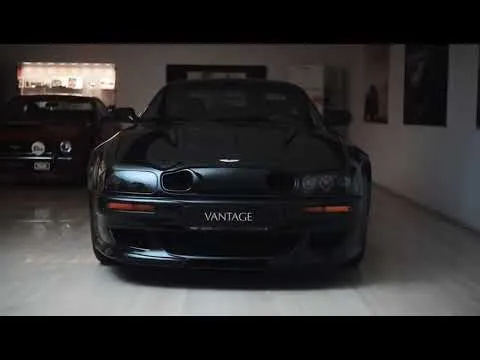
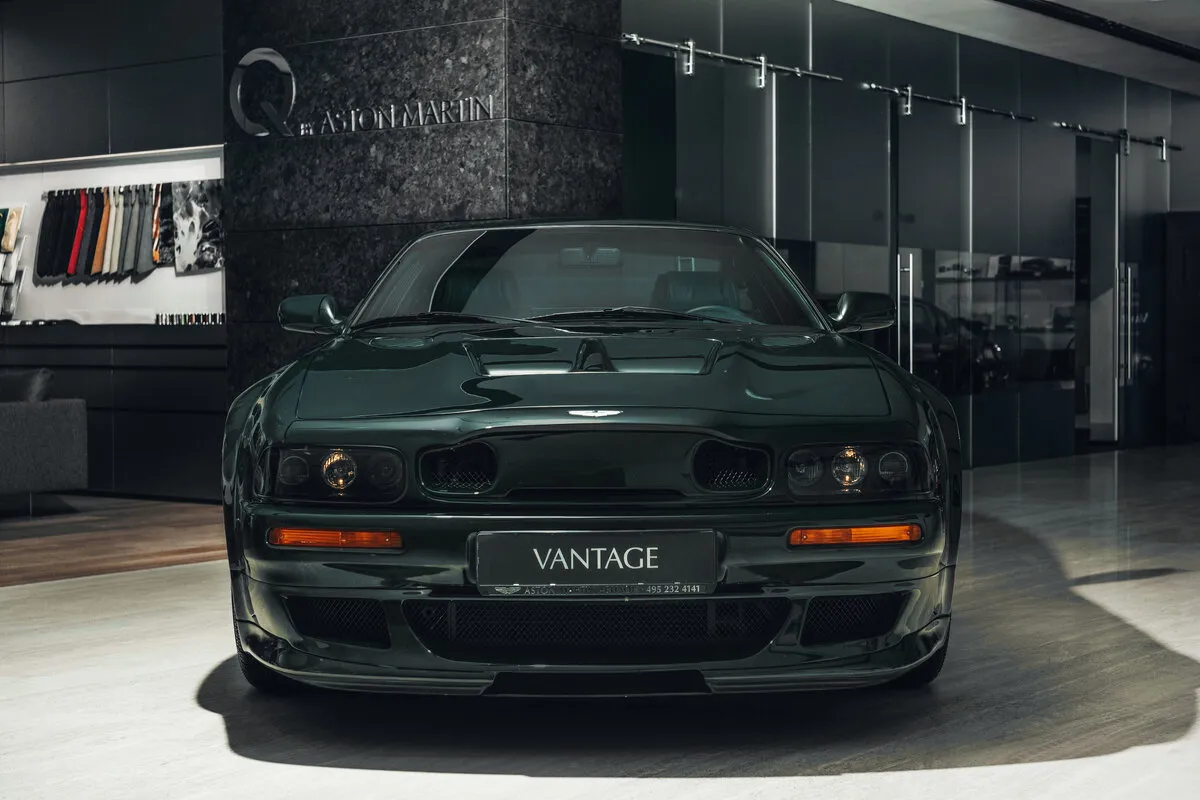
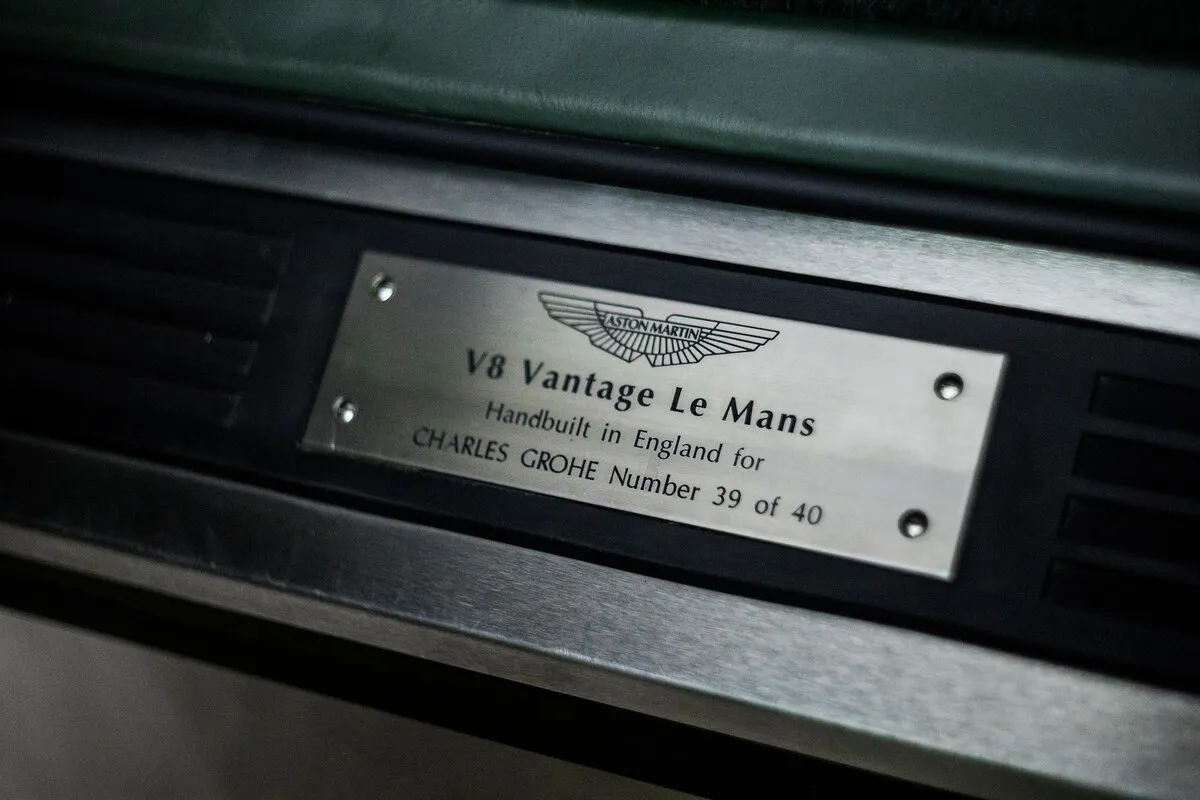
Forty cars. Six hundred horsepower. One of the most extraordinary machines ever to wear the Aston Martin badge. The V8 Vantage Le Mans V600 was built in 1998–1999 as a direct celebration of Aston Martin's endurance racing heritage — specifically conceived alongside the Aston Martin Le Mans project of the late 1990s. Based on the formidable DB7/Vantage platform and fitted with a hand-assembled 6.0-litre twin-supercharged V8, the V600 produced a claimed 600 hp at a time when most supercars were still chasing 500. With a 0–100 km/h sprint in approximately 4.0 seconds and a top speed exceeding 320 km/h, it was the fastest road car Aston Martin had ever made. Only 40 were produced — 36 coupés and 4 Volante convertibles — making every surviving example a genuine collector artefact. If you are the custodian of one of these cars, this guide is written for you.
| Specification | Detail |
|---|---|
| Engine | 6.0L twin-supercharged V8 (Eaton blowers) |
| Power Output | 600 hp / ~635 Nm torque |
| 0–100 km/h | ~4.0 seconds |
| Top Speed | 320+ km/h |
| Platform | Aston Martin Vantage (DB7/Vantage generation) |
| Production Years | 1998–1999 |
| Units Built | 40 (36 coupé + 4 Volante) |
| Transmission | 6-speed manual (Tremec T-56) |
| Kerb Weight | ~1,870 kg |
| Recommended Tuners | Aston Martin Works, R-Reforged, Kahn Design |
Restoration & Personalisation
Owning a V600 is fundamentally different from owning a modern performance car. The priorities are reversed: preservation and sympathetic enhancement come first; outright performance modification comes second — or not at all. The single most important relationship for any V600 custodian is with Aston Martin Works, the official heritage and restoration division based in Newport Pagnell. Works holds original build records, period-correct paint formulations, and access to new-old-stock or faithfully reproduced components that no independent workshop can match. A full Works restoration brings a V600 back to factory specification, complete with certified documentation that directly supports auction value.
Paint is a nuanced subject on the V600. Factory colours included Aston Martin Racing Green, Mendip Silver, and several bespoke hues commissioned by original buyers. If a car has been resprayed in a non-original colour, Works can trace the original specification from the chassis record and restore it precisely. Where an owner prefers a personalised colour, a painter-match lacquer process — using the same base formulation as the original — ensures the new shade reads as intentional rather than accidental.
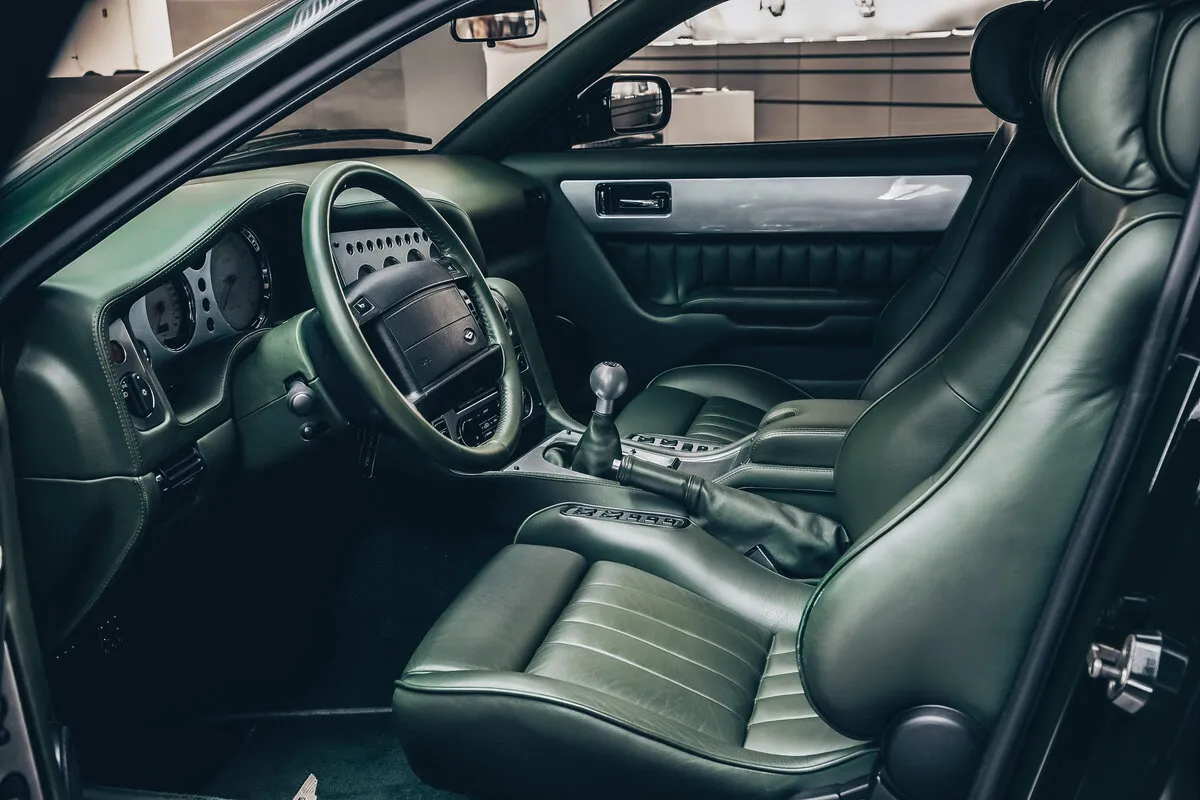
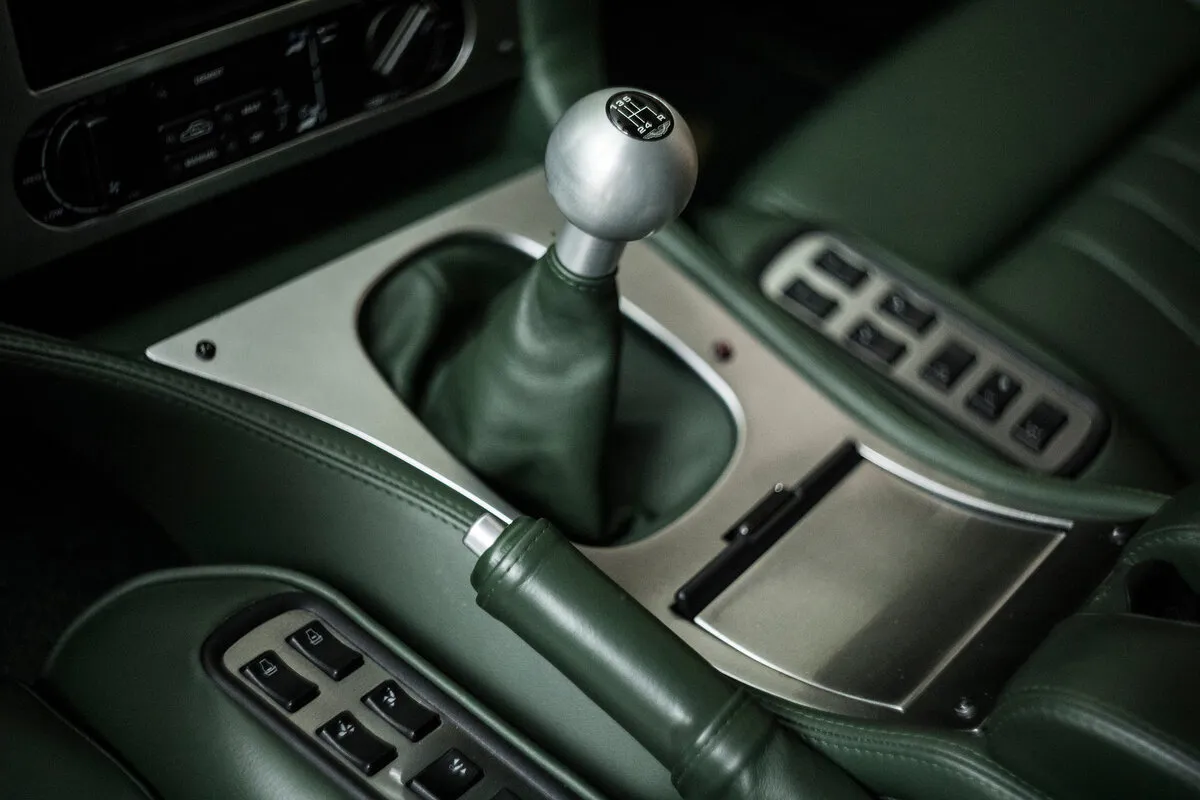
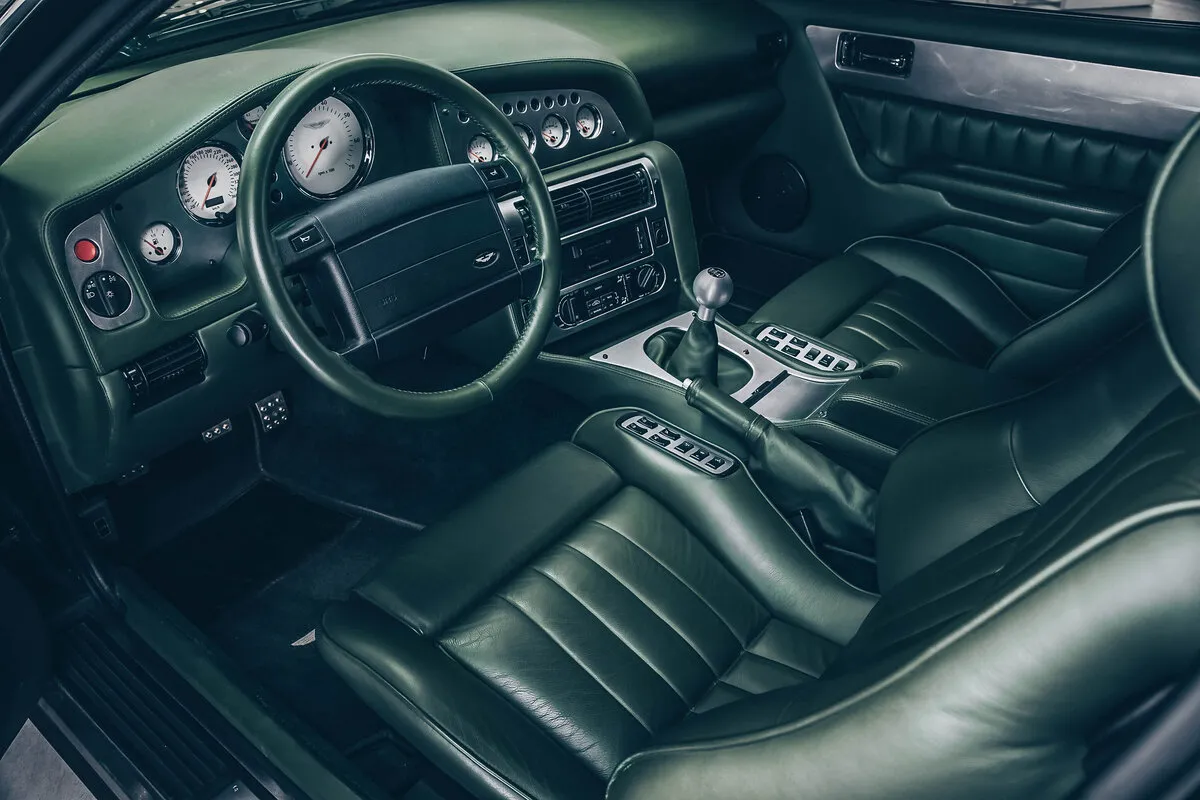
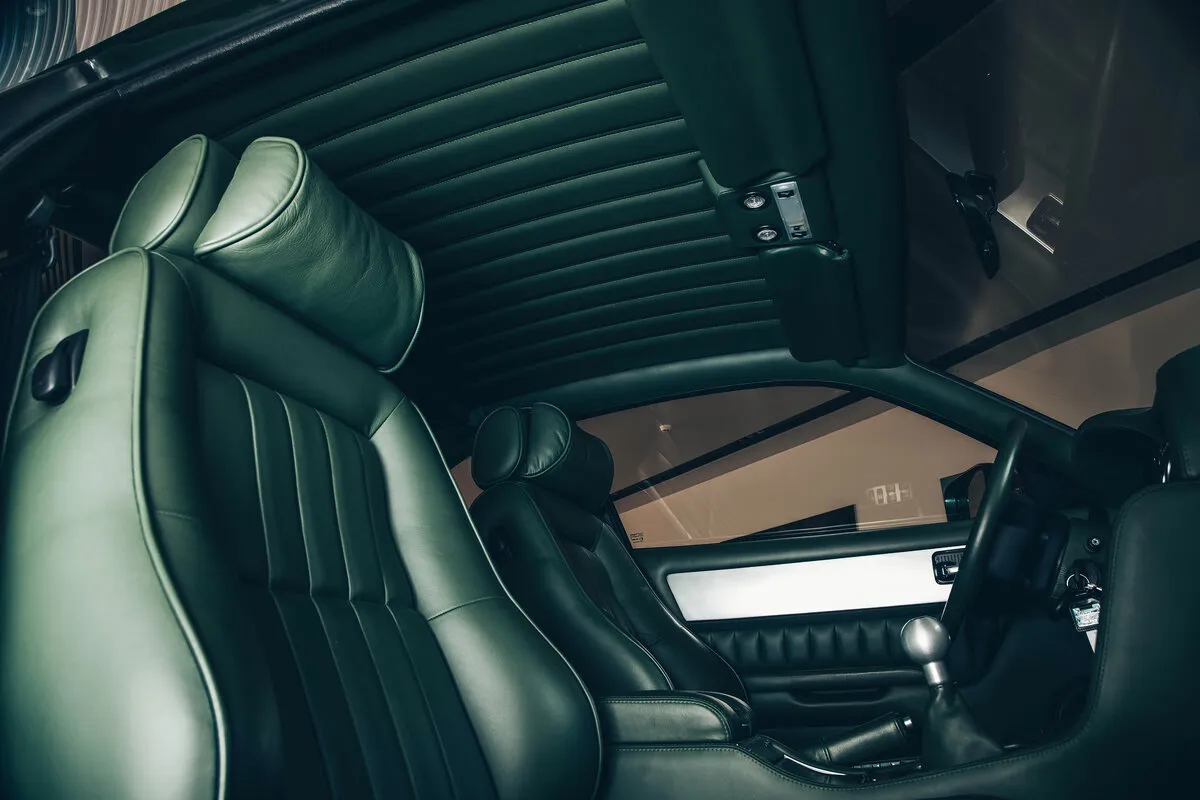
Interior retrim on a V600 is one of the most rewarding investments. The factory specification used Connolly hide, hand-stitched to patterns that were unique to this car. Aston Martin Works and a handful of approved British coachbuilders — including Kahn Design, whose leather craft division has an established connection with heritage British marques — can retrim in period-correct leather, matching original stitch patterns, piping colours, and the distinctive V600 embossed headrests. For owners who prefer a modern touch, a more contemporary perforation pattern or contrast-colour stitching in a British Racing Green thread can modernise the cabin without compromising structural integrity. Avoid synthetic or vegan materials — they are historically incongruous and will reduce collector appeal.
Considering a V600 restoration or upgrade project?
Our specialists work with Aston Martin Works-approved partners and can source period-correct components worldwide.
Contact us at [email protected]Wheels — Period Integrity vs Modern Upgrade
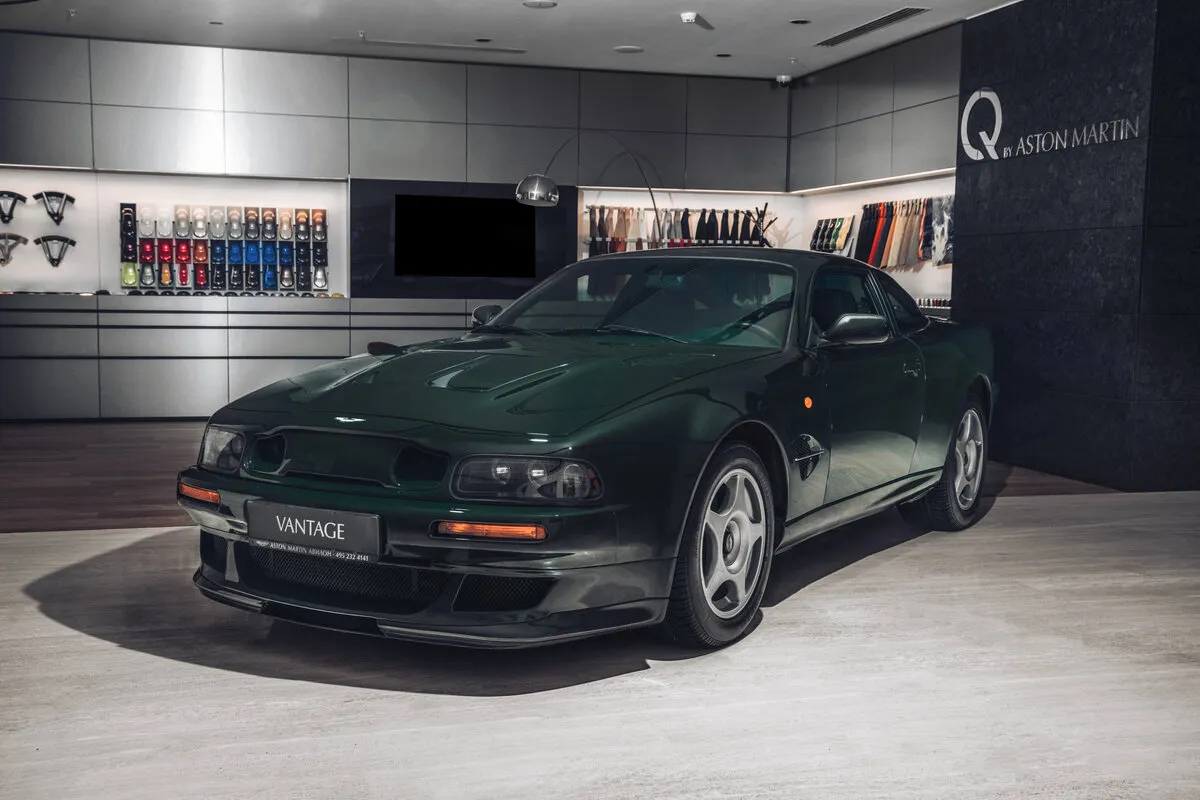
The V600 left the factory on 18-inch five-spoke alloys that were considered large for the era and remain perfectly proportioned on the car's long-bonneted silhouette. The bolt pattern is 5×114.3 with a centre bore of 67.1 mm — a fitment shared with several contemporary Japanese and European performance cars, which means the aftermarket selection is genuinely wide. The question is not availability but appropriateness.
Staying with 18-inch: The correct approach for a car destined for concours or auction. Period-correct five-spoke forged wheels in a polished silver or gunmetal finish — from suppliers such as HRE Vintage or OZ Racing's heritage catalogue — maintain the visual integrity the car was designed around. Tyre choice at this diameter typically runs 255/40 ZR18 front and 285/35 ZR18 rear.
Moving to 19-inch: Acceptable on driver-focused examples that will be used rather than displayed. A 19-inch conversion fills the arches more assertively and allows a wider tyre footprint — 265/35 ZR19 and 295/30 ZR19 is a well-proven combination. Choose a forged monoblock or two-piece design with a spoke profile that references the 1990s aesthetic: avoid overly complex multi-spoke patterns that read as too contemporary for this car's character. Kahn Design produces bespoke forged wheels with a heritage British sensibility that have been fitted to several heritage Astons with excellent results.
Centre caps are important details: always specify Aston Martin-badged caps rather than generic fitments. Lug nut torque should be verified to factory specification (145 Nm) after any wheel change, and a wheel-off brake inspection is strongly recommended given the age of the original hub hardware.
Performance — Engine, Exhaust & Brakes
The V600's twin-supercharged V8 is an engineering landmark, but it is also a 25-year-old engine with ageing ancillaries. Before any performance conversation begins, a thorough mechanical assessment is mandatory. The Eaton twin-supercharger units should be inspected for bearing wear and seal condition — a supercharger rebuild by a specialist such as Rotrex UK or Aston Martin Works restores boost consistency and eliminates the subtle power loss that accumulates over decades. Intercooler efficiency degrades with age; a discreet uprated aluminium intercooler core, matched to the original dimensions, improves charge cooling without any visible external change.
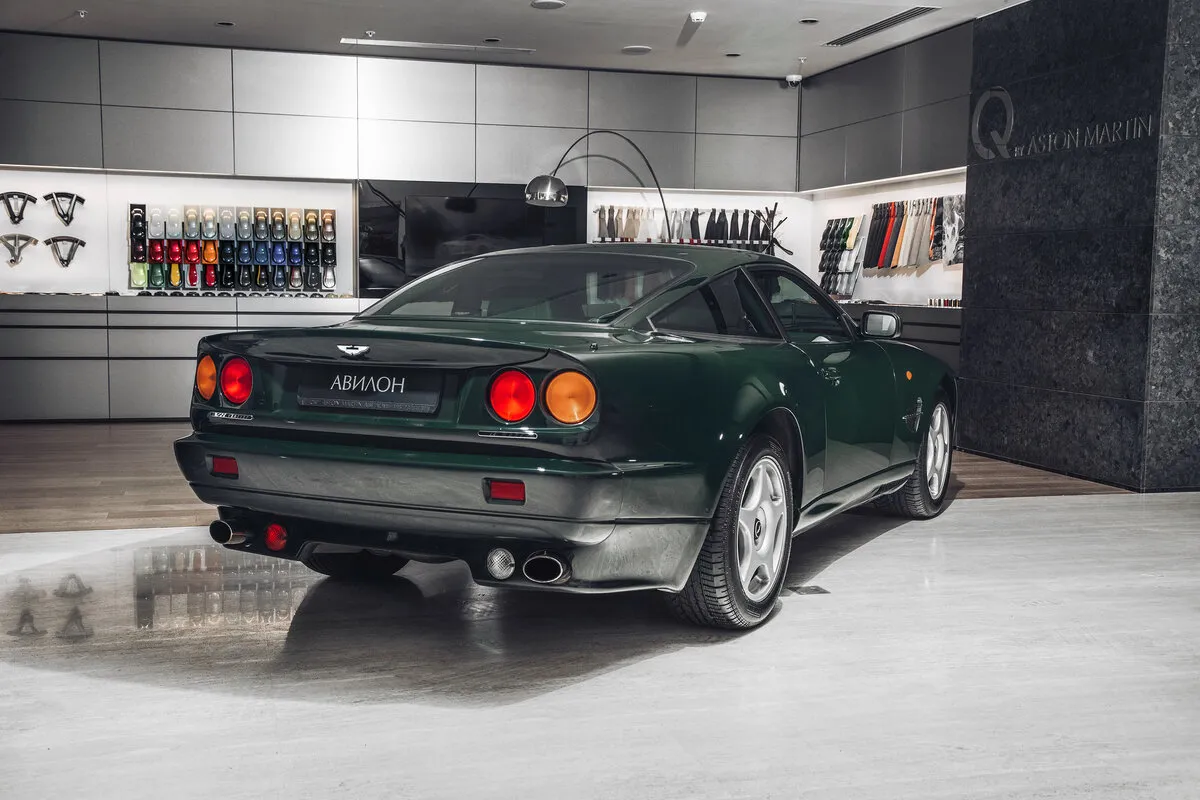
Exhaust work on the V600 requires restraint. The factory system was tuned for a specific exhaust note — one of the most sonorous in Aston Martin history — and aggressive aftermarket systems can upset the engine management calibration while producing a harsher sound that detracts from the car's character. A stainless steel cat-back system using mandrel-bent pipes and period-appropriate oval exits, fabricated by a specialist such as Milltek Sport or a bespoke British fabricator, gives improved flow with a deeper note rather than a louder one. Keep the primary catalysts in place; removing them on a car of this age creates both legal complications and ECU anomalies.
Braking is where the strongest performance case exists. The original four-piston callipers are period-appropriate but modest by modern standards. A direct-fit big-brake conversion using AP Racing or Brembo four- or six-piston callipers on 355 mm two-piece iron discs gives a significant improvement in fade resistance and pedal feel without altering the wheel fitment envelope. Braided stainless lines and fresh ATE Super Blue fluid complete the system. Suspension geometry should be set back to factory specification as a baseline; adjustable Koni dampers offer a period-sympathetic upgrade for drivers who use the car regularly.
Provenance & Investment
With 40 units built and the survivor count declining, the V600's investment trajectory is structurally positive. Values have risen consistently since 2015 and the most well-documented examples commanded over £1.2 million at auction by 2024. Preserving — and ideally enhancing — provenance is therefore not merely sentimental; it is financial strategy.
The single most valuable document you can hold alongside the car is an Aston Martin Works Heritage Certificate, which confirms original build specification, original colour, and chassis history. If the car has been through a Works restoration, the accompanying rebuild record is equally important. Maintain a full photographic archive of any work carried out, including component part numbers for any replaced items.
Avoid modifications that cannot be reversed without trace. Drilling the bodywork, rerouting the wiring loom, or replacing original mechanical components without retaining the originals all reduce the car's ability to be returned to factory specification — and therefore its ceiling value. Where upgrades are made (wheels, exhaust, brakes), retain every original component and store it with the car.
R-Reforged, the British specialist that has produced highly regarded enhanced editions of several Aston Martin heritage models, offers a discreet enhancement programme for V600 owners that focuses on reliability and longevity rather than power increases. Their work is sympathetic, reversible, and increasingly recognised in the collector community as value-additive. Engaging a specialist with documented V600 experience — and keeping receipts — is as important as the work itself.
How It Compares: V600 vs Ferrari F355 & Porsche 993 GT2
The Aston Martin V8 Vantage Le Mans V600 occupied a very specific niche in the late 1990s supercar landscape — ultra-exclusive British muscle with endurance racing provenance. Its two most credible contemporaries were the Ferrari F355 (1994–1999) and the Porsche 911 993 GT2 (1995–1997). All three were rare, fast, and desirable then; all three remain so now. But their tuning stories in 2026 are strikingly different.
Ferrari F355: The F355 has the deepest aftermarket ecosystem of the three. Suppliers such as Tubi Style (exhaust), Capristo, and Novitec have catalogued hundreds of components for it. Engine rebuilds are well-understood, and the flat-plane V8 responds enthusiastically to intake and exhaust work. The F355 is objectively easier and cheaper to modify today. However, it was built in approximately 11,000 units — making it common by comparison. A modified F355 competes against many others at concours; a modified V600 competes against fewer than 40.
Porsche 993 GT2: The GT2 variant had only 172 road-going examples and its aftermarket, while rich in Porsche heritage parts, is increasingly focused on preservation rather than performance modification. Ruf Automobile remains the gold standard for legitimate 993 GT2 enhancement — but Ruf's work, like Aston Martin Works, is sympathetic restoration-plus rather than aggressive tuning. In terms of aftermarket availability, the 993 GT2 sits closer to the V600 than the F355 does.
Which looks better tuned? The V600's long bonnet and muscular flanks benefit enormously from a subtle wheel upgrade and a correct exhaust note — arguably more so than either rival, because the factory car was already visually dramatic and even small improvements read clearly. The F355 is harder to improve aesthetically without departing from its purity; the GT2 rewards only the most conservative touches. For visual drama with collector integrity, the V600 wins. For pure aftermarket breadth, the F355 leads. For rarity-matched approach, the GT2 is the closest comparison — but even then, the V600's 40-unit count makes it the rarest of the three and the most rewarding to get exactly right.
FAQ
How many V600s were built?
Exactly 40 — 36 coupés and 4 Volante convertibles. All were hand-assembled at Aston Martin's Newport Pagnell facility between 1998 and 1999. The production number was fixed from the outset as part of the Le Mans celebration brief, making the V600 one of the rarest road cars ever produced by a major British manufacturer.
What should I prioritise on a V600?
Mechanical integrity first, then documentation. A V600 with a full Aston Martin Works service history and original matching-numbers drivetrain is worth substantially more than one with higher power figures and an unclear history. If the engine and superchargers are in good health, the next priority is a professional paint and interior restoration to period specification. Wheel and brake upgrades come last and should always be reversible.
Can Aston Martin Works service a V600 today?
Yes. Aston Martin Works in Newport Pagnell actively supports V8 Vantage-generation cars including the V600. They hold build records, period tools, and original-specification components. A Works service includes a full chassis inspection and a detailed condition report — invaluable both operationally and for insurance and auction purposes. Lead times are long; book well in advance.
Is the V600 a good investment in 2026?
Evidence strongly suggests yes. Values have increased markedly since 2018, with the best-documented examples exceeding £1.2 million. The structural factors are favourable: extreme rarity, racing provenance, no modern equivalent, and growing institutional collector interest in late-1990s British supercars. The key risk is authenticity — cars with undocumented modifications or non-original drivetrains lag significantly behind fully verified examples. Invest in provenance as much as in the car itself.
Ready to start your V600 project?
From period-correct wheel sourcing to Works-approved restoration partners — Hodoor specialists are here to help.
Write to us: [email protected]