
How to Choose the Perfect Wheel Size for Your Car
Understanding Wheel Specifications
Before diving into the selection process, it's essential to understand the four key measurements that define every wheel: diameter, width, offset, and bolt pattern. At Hodoor Performance, we see countless customers confused by these specifications, so let's break them down clearly.
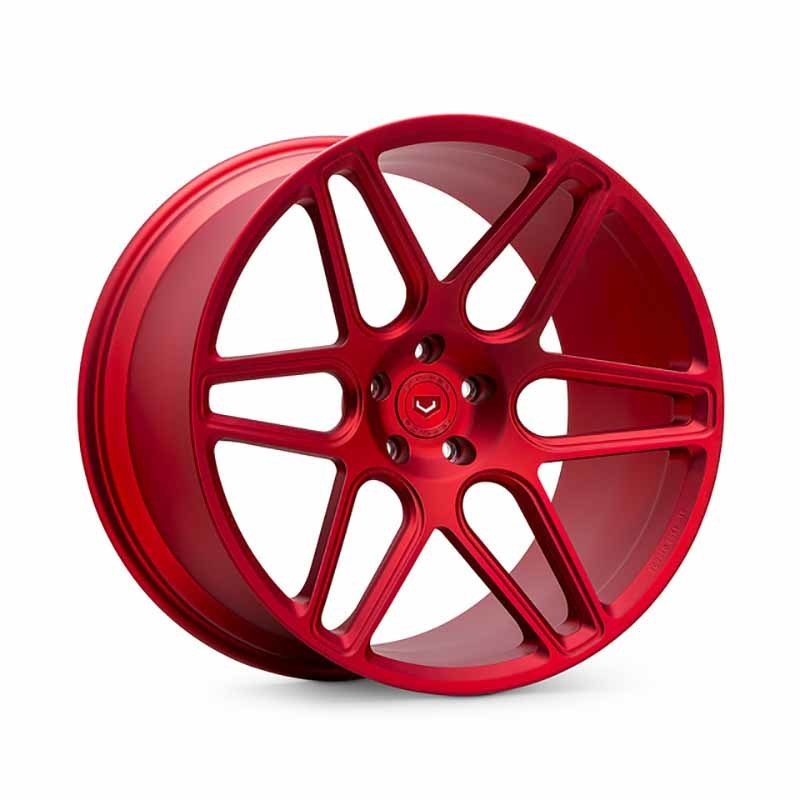
Diameter: Going Bigger Isn't Always Better
Wheel diameter is measured in inches across the face of the wheel. Most factory cars come with 16" to 19" wheels, while aftermarket upgrades typically range from 19" to 22" for sedans and coupes, and up to 24" for trucks and SUVs.
The key rule: When you increase wheel diameter, you must decrease tire sidewall height to maintain the same overall tire diameter. This keeps your speedometer accurate and prevents clearance issues.
For example, if your car came with 18" wheels and 245/45R18 tires, upgrading to 20" wheels would require approximately 245/35R20 tires. The overall diameter stays nearly identical, but you gain a more aggressive look with less visible tire sidewall.
Our recommendation: Going up 1-2 inches from factory is the sweet spot for most vehicles. It provides a significant visual improvement while maintaining acceptable ride comfort. Going 3+ inches up is possible but may noticeably degrade ride quality.
Width: Filling the Fenders
Wheel width is the measurement from bead seat to bead seat (where the tire mounts), not the overall outer width. A wider wheel can accommodate a wider tire, providing more grip and a more aggressive appearance.
Staggered vs. Square: Many performance cars benefit from a staggered setup — wider wheels and tires in the rear for improved traction. For example, a BMW M3 might run 19x9.5 front / 19x10.5 rear. Conversely, AWD vehicles typically run a square setup (same width all around) for even tire wear and rotation capability.
Popular Vossen wheels like the VFS-2 and HF-5 are available in a wide range of widths from 8.5" to 12", making them suitable for everything from compact sports cars to wide-body builds.
Offset: The Critical Measurement
Offset (measured in millimeters) is the distance from the wheel's mounting surface to its centerline. It determines how far the wheel sits inside or outside the fender.
- Positive offset: Mounting surface is toward the outside of the wheel (common on FWD and modern vehicles). The wheel sits further inboard.
- Zero offset: Mounting surface is at the centerline.
- Negative offset: Mounting surface is toward the inside. The wheel pokes outward — common on trucks and off-road vehicles.
Getting offset wrong is the #1 cause of fitment issues. Too much positive offset and your wheels may contact the inner fender liner or suspension components. Too little, and the wheels will poke beyond the fenders, potentially causing rubbing on turns.
This is where professional guidance from the Hodoor Performance team is invaluable. We maintain a comprehensive fitment database for every vehicle we service, ensuring your new wheels fit perfectly without any modifications. Email us at [email protected] with your vehicle's year, make, model, and trim for a free fitment consultation.
Ready to upgrade your ride?
Worldwide delivery to 40+ countries. Expert consultation included.
Contact Us — [email protected]Bolt Pattern & Hub Bore
Your bolt pattern (e.g., 5x112, 5x120) must match your vehicle exactly — there's no room for approximation. Hub bore is the center hole diameter, which must be equal to or larger than your vehicle's hub. Most quality aftermarket wheels like Vossen include hub-centric rings to ensure a perfect, vibration-free fit.
Tire Size Selection
Once you've chosen your wheel size, selecting the right tire is equally important. Here are some guidelines:
- The tire width should be appropriate for the wheel width (typically the tire section width is 20-30mm wider than the wheel width in mm)
- Maintain overall tire diameter within 3% of factory to preserve speedometer accuracy
- Consider your driving conditions — all-season, summer performance, or winter tires
- Lower profile tires (shorter sidewalls) provide sharper handling but a firmer ride
The Hodoor Performance Approach
At Hodoor Performance, we don't just sell wheels — we engineer complete wheel and tire packages tailored to your specific vehicle. Every order includes professional fitment verification, hub-centric rings, and our team's expertise in achieving the perfect stance.
Recommended Wheels by Size Category
18"–20" — Sports Cars & Sedans
For BMW 3/4 Series, Mercedes C/E-Class, Audi A4/A6, and similar platforms, these forged options deliver the ideal balance of weight and visual impact:
- Solomon Alsberg Barcelona — classic multi-spoke, 18"–22" available
- Beneventi V10 — deep concave face, 18"–22"
- Rocksroad ES10 — aggressive mesh design, 18"–22"
20"–22" — SUVs & Luxury Vehicles
For Range Rover, BMW X5/X7, Mercedes GLE/GLS, Porsche Cayenne, and luxury SUVs:
- Solomon Alsberg T1 — bold twin-spoke, 19"–22"
- Beneventi K4.0 — refined luxury pattern, 18"–22"
- Solomon Alsberg Brooklyn — directional design, 19"–22"
Cast / Light Alloy Alternatives
For budget-conscious builds that still demand quality, explore our cast wheel collection (959 designs) featuring brands like Kahn Design and WEDS Sport.
Browse the full forged wheel catalog (5,800+ designs) or contact us at [email protected] for a personalized fitment recommendation with exact size, offset, and tire pairing for your vehicle.
Get Your Dream Build Started
Hodoor Performance ships to 40+ countries worldwide. Our team handles everything — sourcing, customs, and installation coordination through our global partner network.
Email Us — [email protected]