Aston Martin DBS Superleggera Tuning Guide 2026 — Body Kits, Wheels & Performance


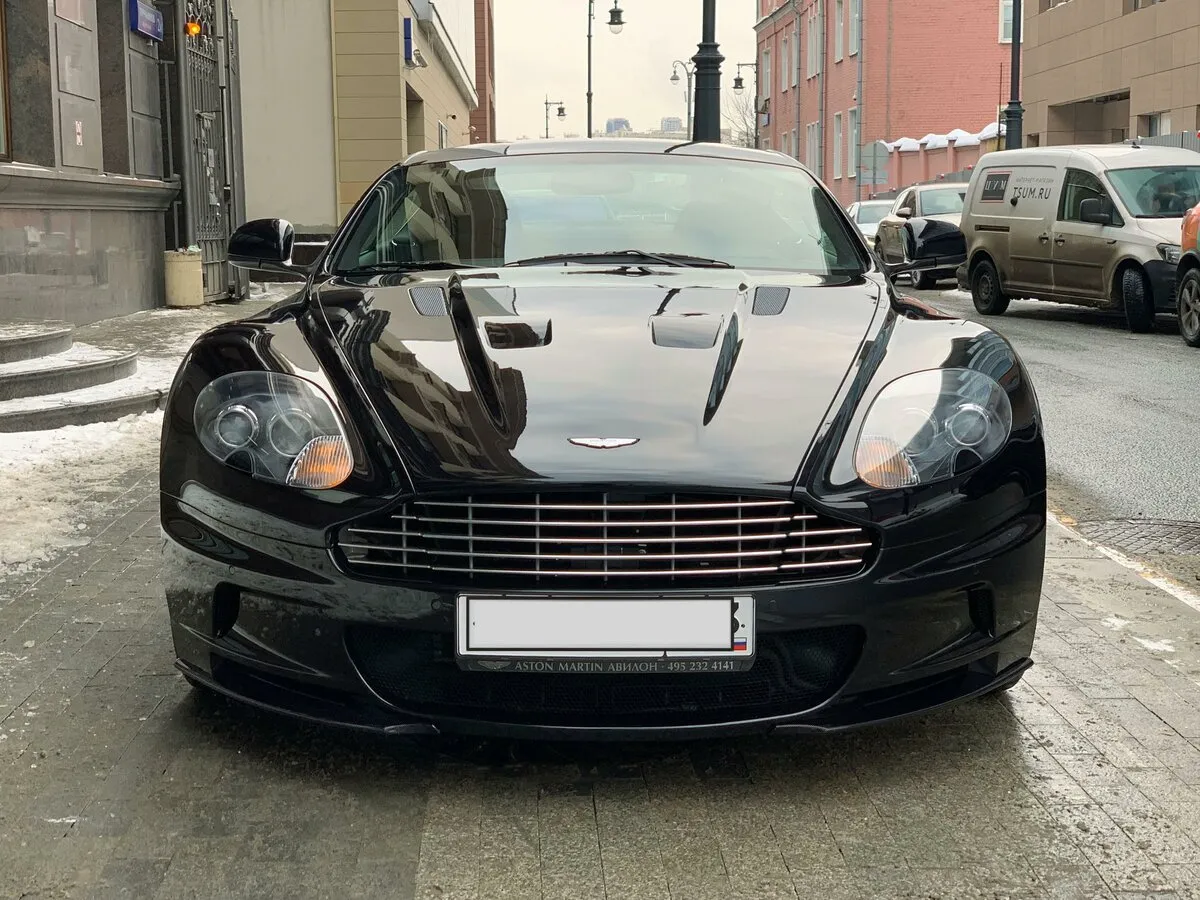
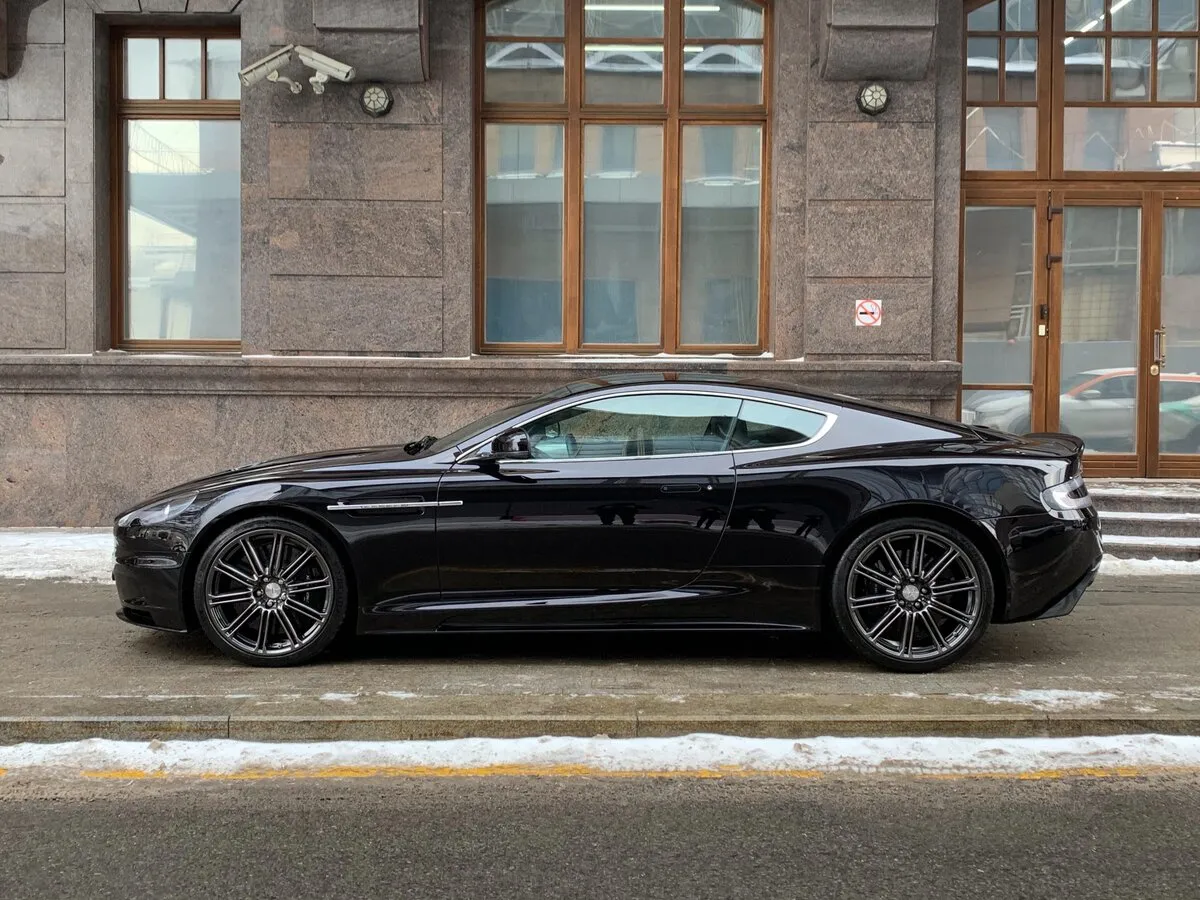
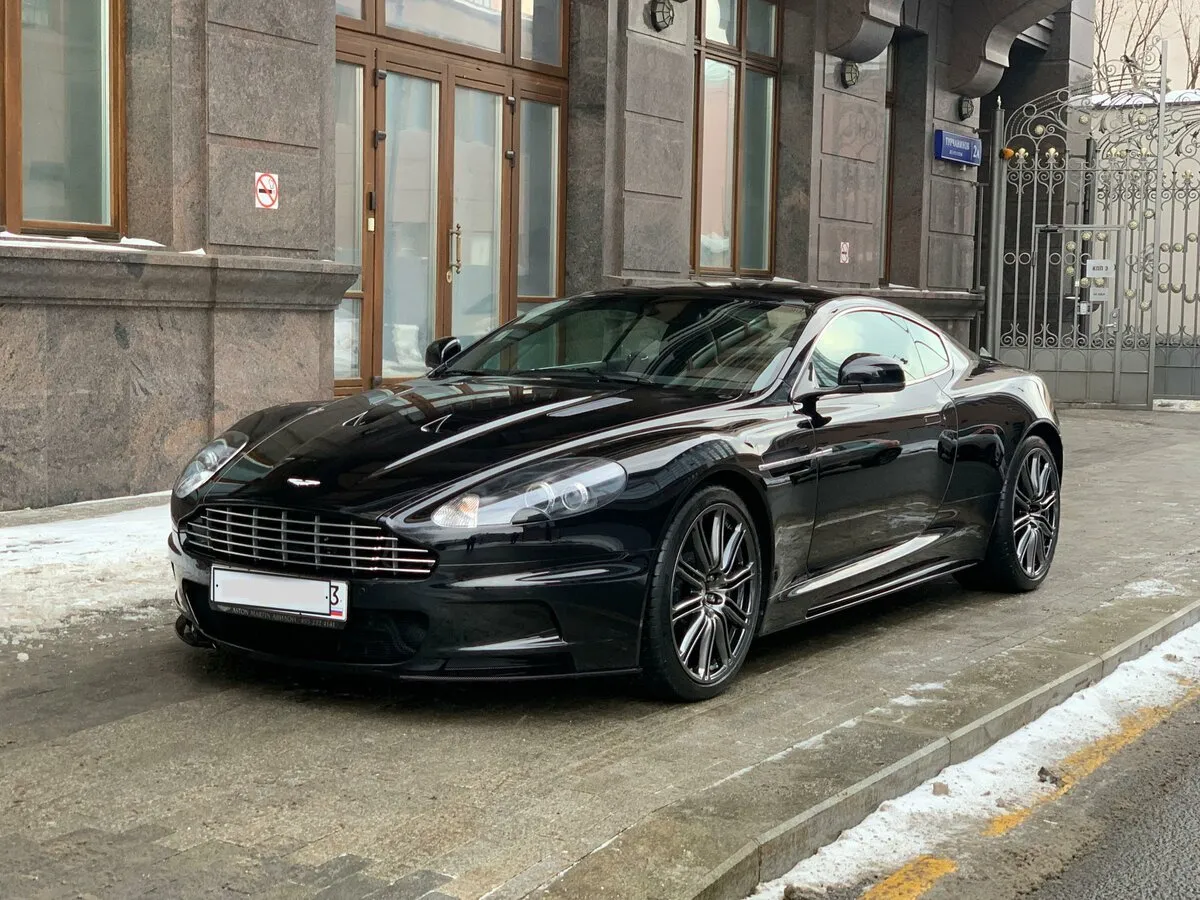
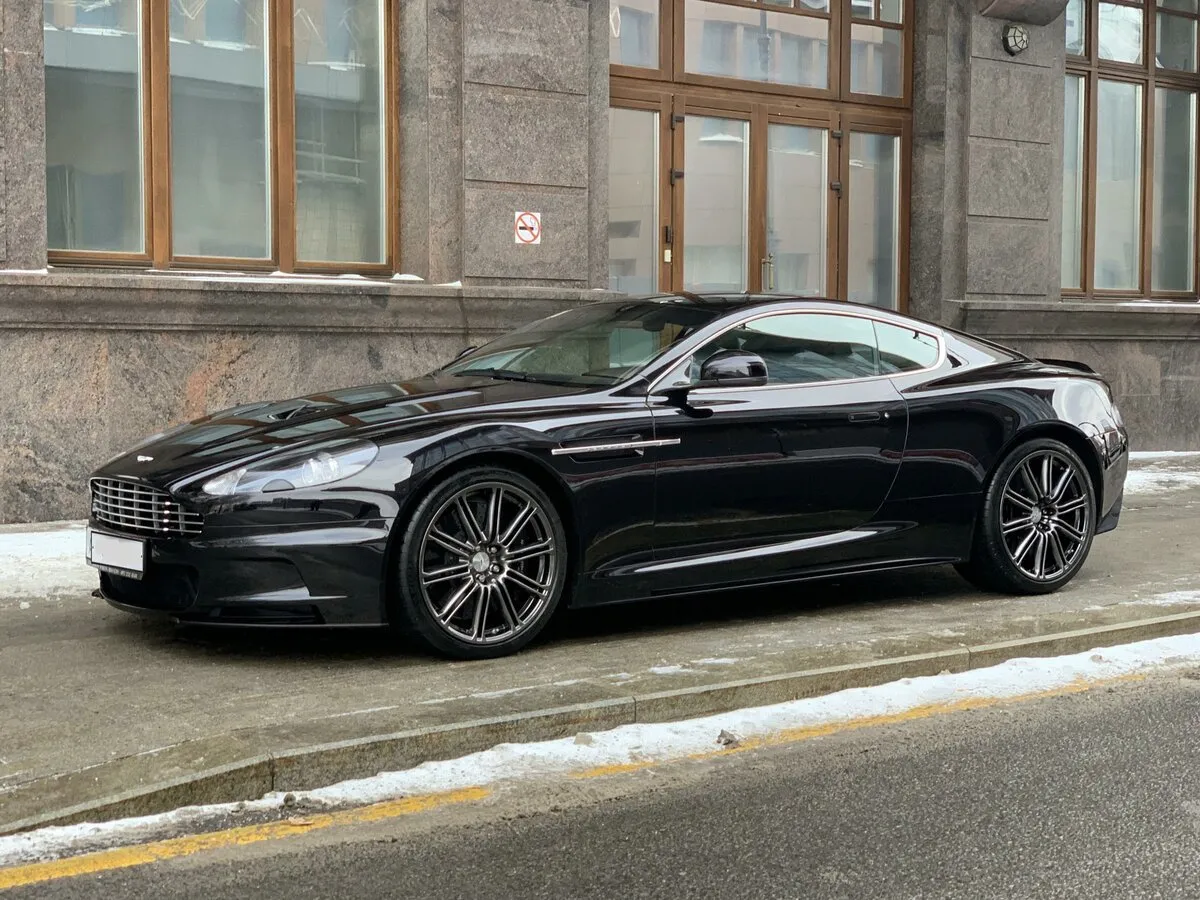
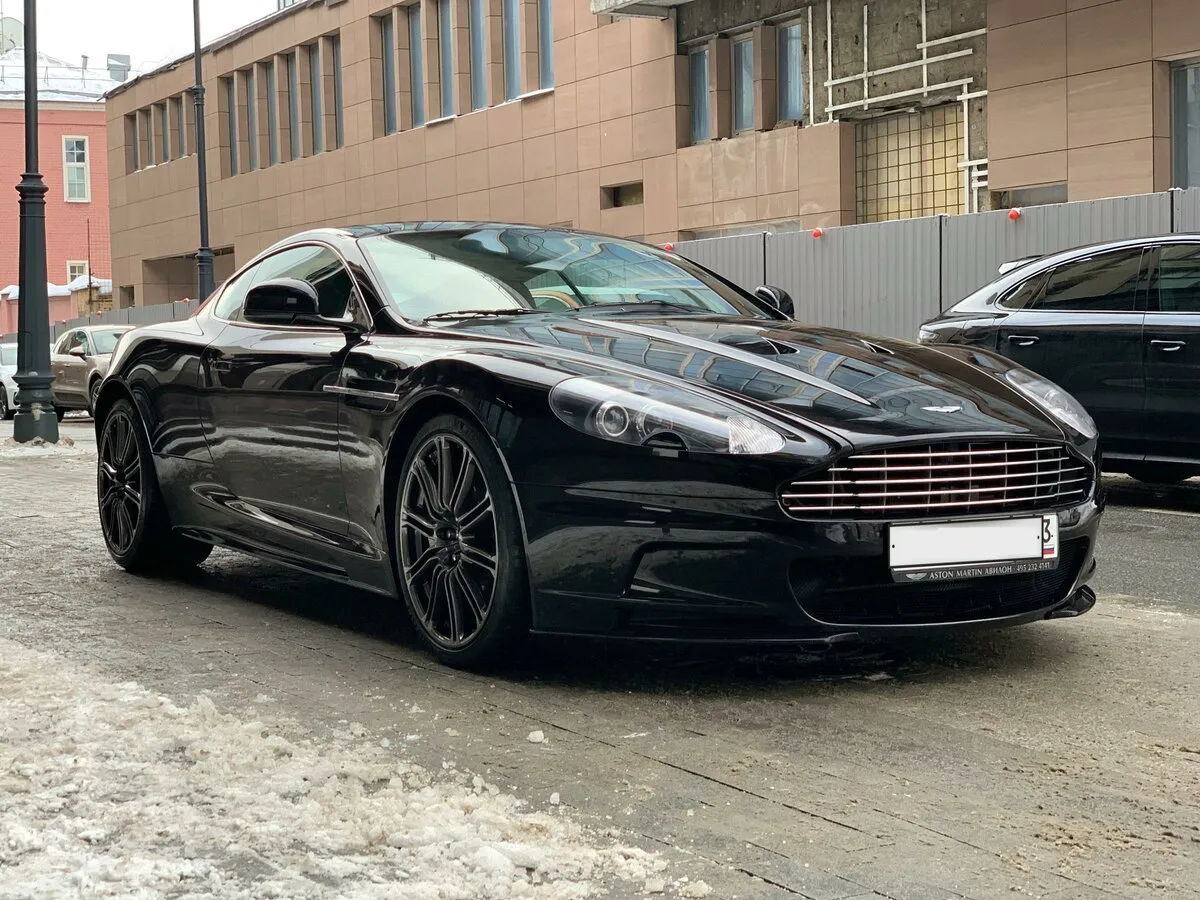
The Aston Martin DBS Superleggera is not a car that needs improving — 725hp, a twin-turbo V12 borrowed from the DB11 AMR, and a carbon fibre body that weighs barely 1,760kg. It is, however, a car that rewards personalisation. Carbon fibre exterior details, bespoke wheel specifications, and performance software can make an already exceptional machine genuinely unique. This guide covers every meaningful upgrade for the DBS Superleggera, from Mansory carbon programmes to centre-lock aftermarket wheel fitment and exhaust systems that do justice to the magnificent V12.
Body Kits & Exterior Personalisation
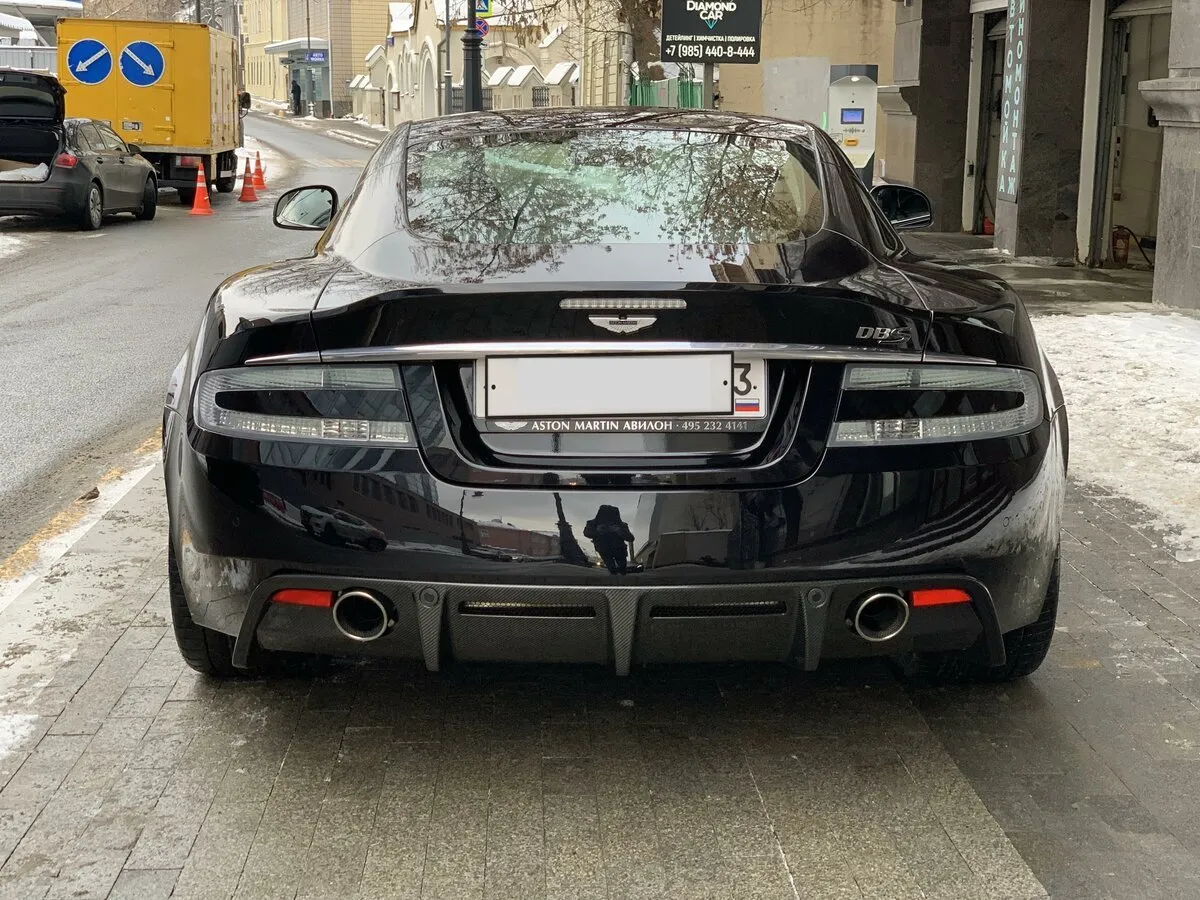
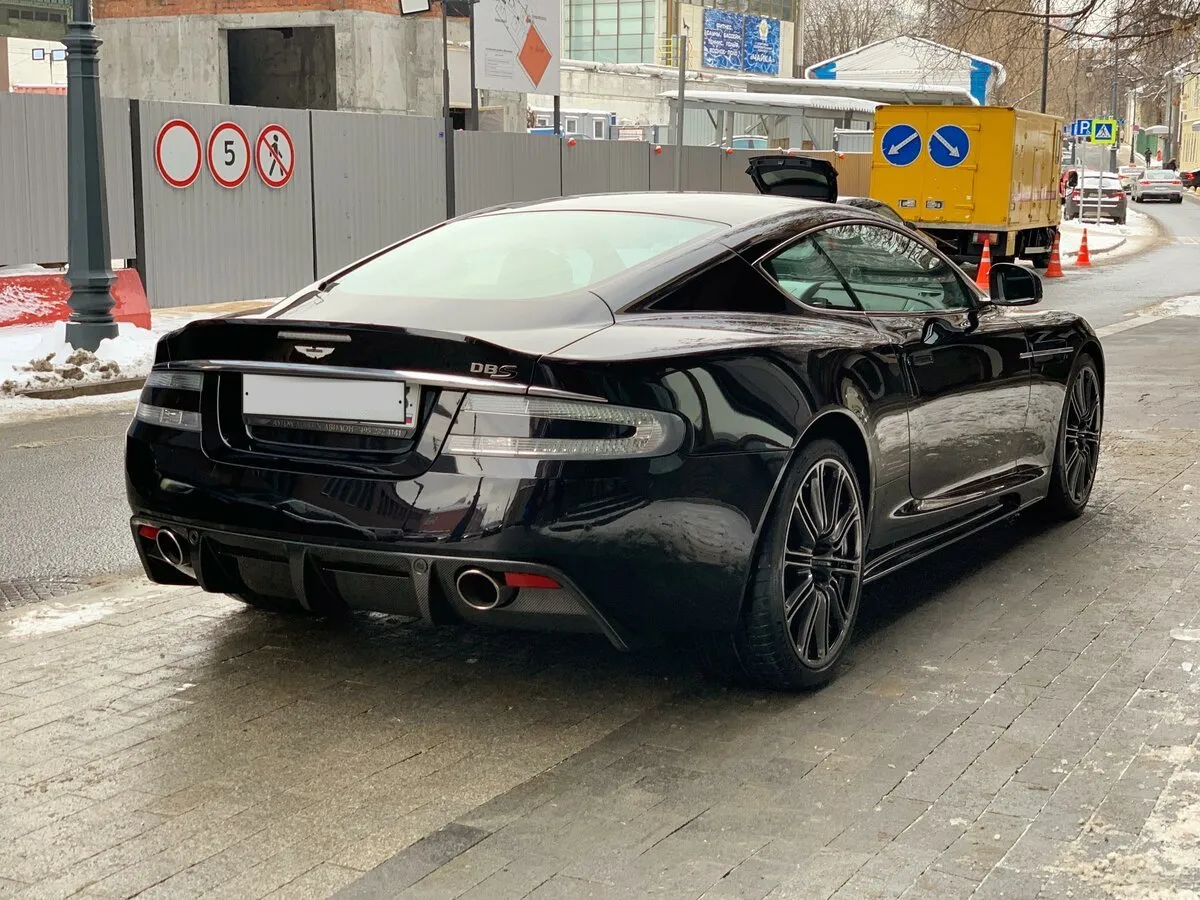
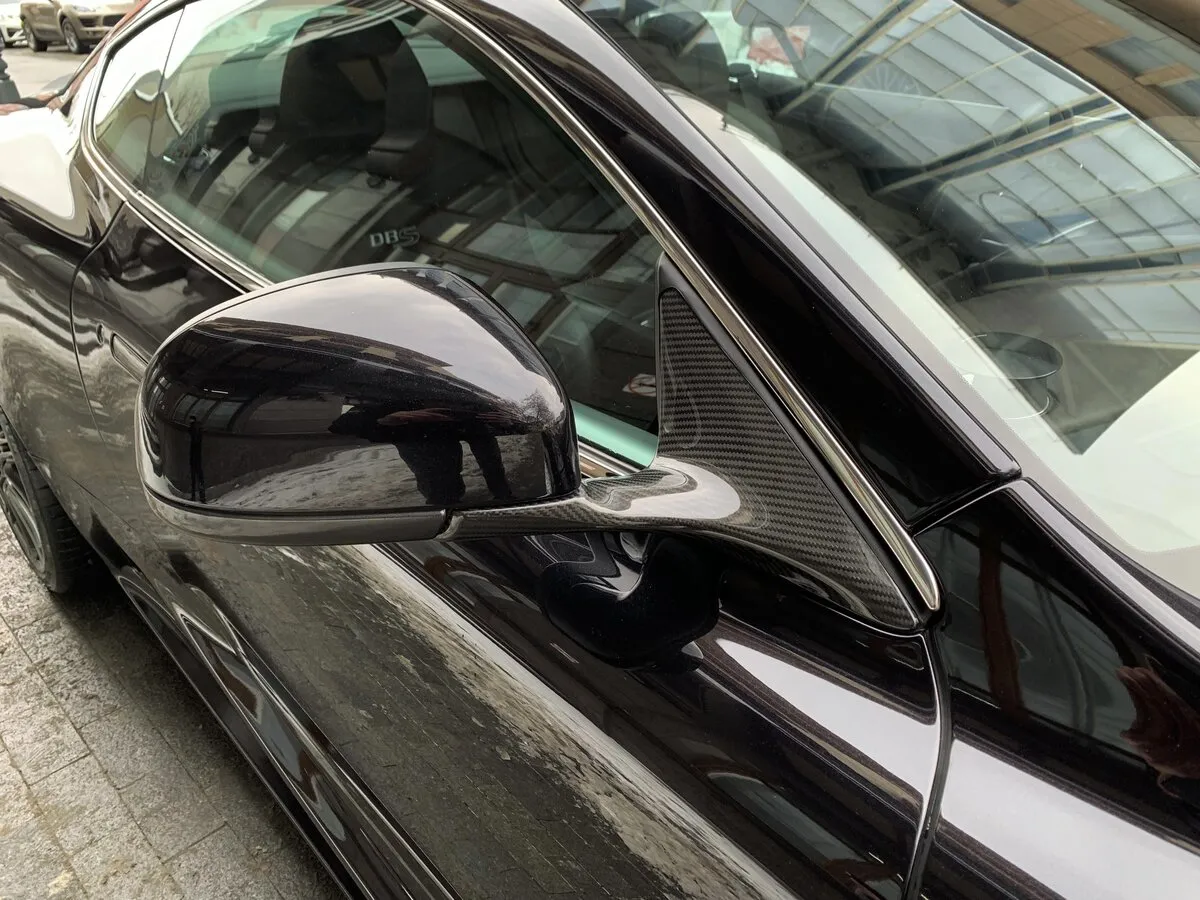
The DBS Superleggera arrives from the factory with substantial carbon fibre content already — bonnet vents, front splitter elements, and door mirror caps are all carbon as standard on upper trims. The aftermarket therefore starts from a higher baseline than most GT cars, and the best programmes build on the factory aesthetic rather than replacing it wholesale.
Mansory DBS Superleggera Programme
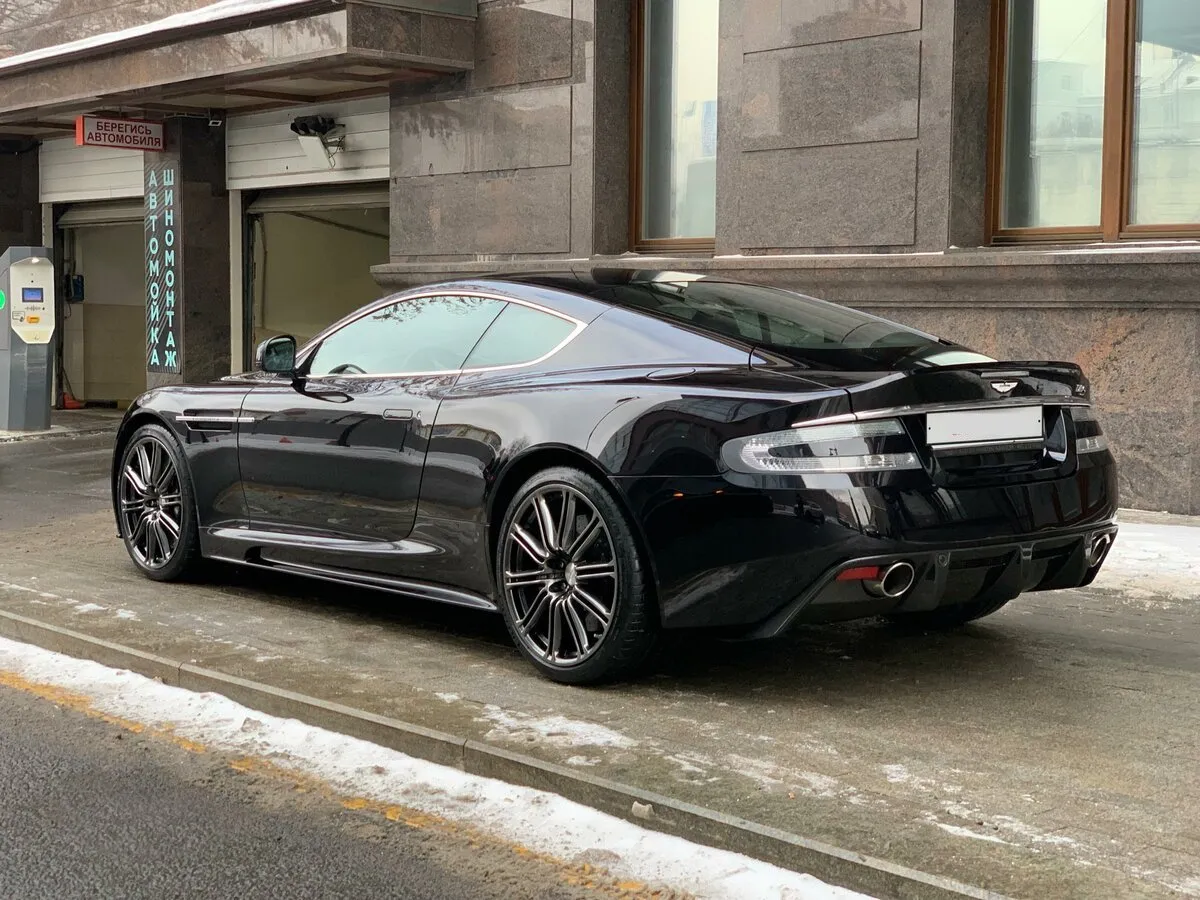
Mansory develop bespoke carbon fibre programmes for the DBS Superleggera that are, by Mansory standards, unusually restrained. The programme centres on a front splitter upgrade with additional dive planes, carbon fibre side skirt inserts that extend the factory rocker panel line, and a carbon rear diffuser housing bespoke Mansory quad exhaust tips. A carbon bonnet replacement with raised central channel is available for clients who want a more dramatic presence. Subtle by Mansory's own history but genuinely purposeful — the aerodynamic additions generate measurable downforce at motorway speeds. Price range: £15,000-25,000 depending on scope.
Wheelsandmore DBS Programme
The German tuner Wheelsandmore approaches the DBS from a performance-first standpoint. Their DBS programme combines carbon aerodynamic additions — front lip, rear diffuser elements — with suspension optimisation and ECU recalibration. The visual transformation is less dramatic than Mansory but the functional improvements are more comprehensive. Particularly popular with clients who want measurably improved handling without altering the fundamental DBS character. Price range: £8,000-15,000 for aero package.
TopCar DBS Kit
TopCar offer a specific DBS exterior programme featuring carbon bonnet strakes, front spoiler extension elements, and side air intake surrounds in carbon fibre. Popular across GCC markets where the TopCar brand has strong dealership representation. The kit maintains OEM fitment tolerances and is available through authorised TopCar distributors with faster delivery timelines than bespoke programmes. Price range: £6,000-12,000.
Paintwork, Livery & Coachbuilding
Q by Aston Martin — the official bespoke division — remains the most exclusive route for DBS personalisation. Any exterior colour, any interior specification, any material combination. Previous Q commissions have included hand-painted heritage liveries, full satin finishes in non-catalogue colours, and one-off two-tone schemes referencing classic racing cars. Aftermarket full resprays in satin and matte finishes are popular, particularly satin black and satin Tungsten Silver. The carbon ceramic roof option, available from factory on the Volante and select coupes, can be retrofitted through specialist coachbuilders.
Mansory, TopCar, Wheelsandmore programmes available through Hodoor. Contact us for pricing and global delivery.
[email protected]
Wheels
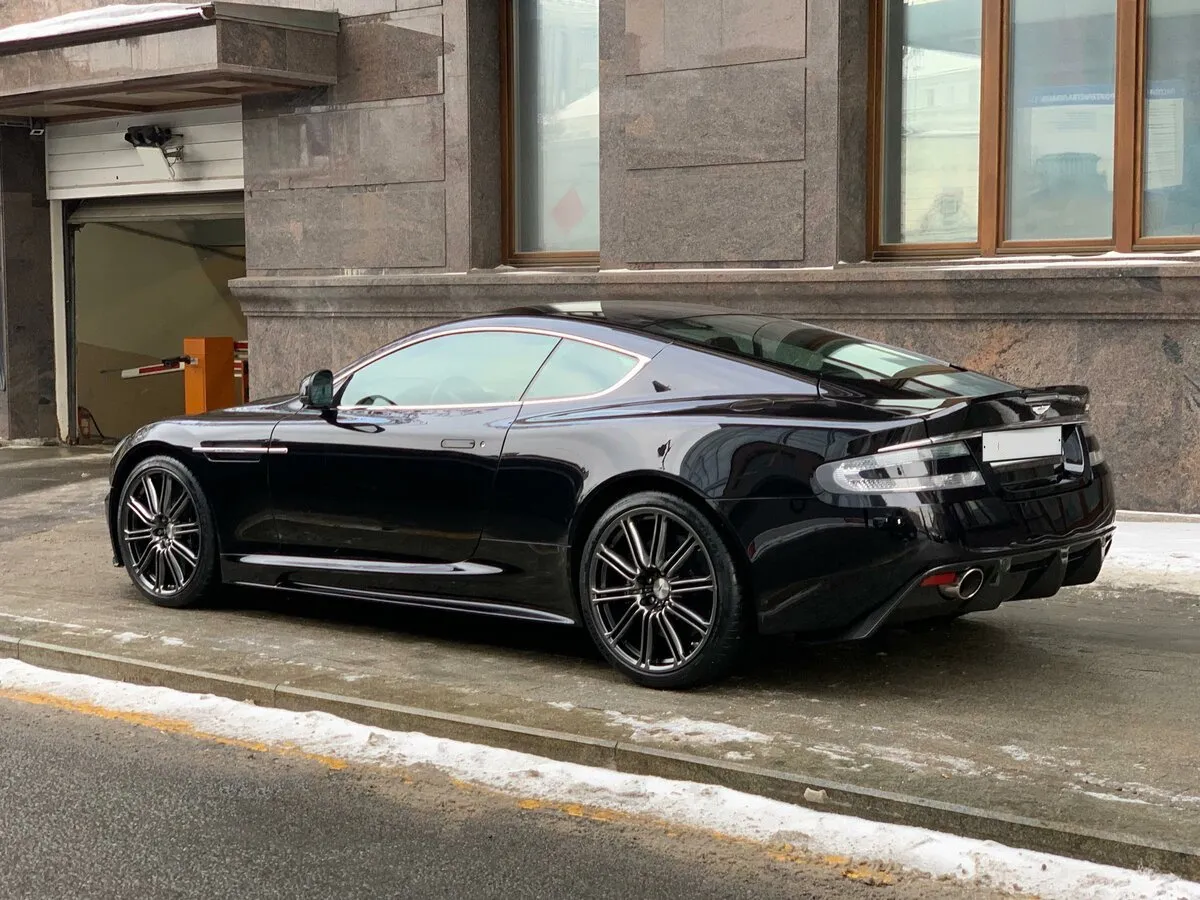
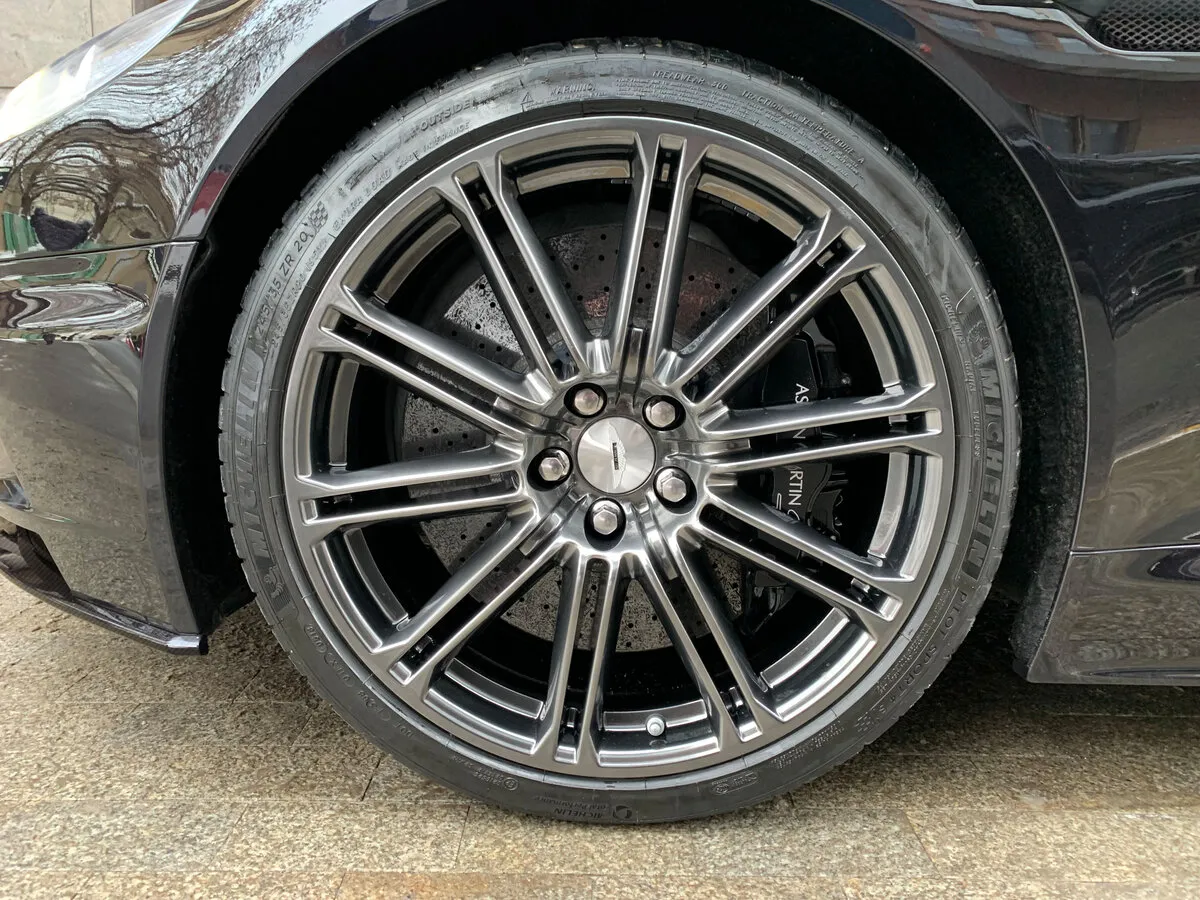
The DBS Superleggera ships on 21-inch centre-lock forged wheels as standard on most markets — a specification shared with the DB11 AMR. This is the most important technical detail for any aftermarket wheel purchase: the DBS does not use conventional lug nuts. The centre-lock system requires a single large nut at the wheel centre, and aftermarket suppliers must manufacture or source compatible centre-lock hubs. Do not assume standard PCD fitment from a wheel supplier — always confirm centre-lock compatibility explicitly.
OEM Specification
Standard DBS forged wheels: 21x10 ET10 front, 21x11.5 ET17 rear — a staggered fitment that suits the car's rear-biased weight distribution and available traction. Tyre sizes: 265/35 R21 front, 305/30 R21 rear (Pirelli P Zero as OEM fitment).
Aftermarket Options
- HRE P101: Available in 21-22 inch, with bespoke staggered fitment for DBS centre-lock hubs. HRE manufacture to order with confirmed compatibility. Lead time: 8-12 weeks. One of the most popular premium upgrades for DBS owners in North America and Europe.
- Vossen HF-5: Hybrid forged, available in 21-22 inch, centre-lock configuration available on request. Competitive price point versus fully bespoke forged options. Multiple finish options including gloss graphite and satin bronze.
- OZ Ultraleggera HLT: Ultralight fully forged construction. Significant unsprung weight reduction versus OEM. Popular in racing and track applications but appropriate for road use given the weight saving benefit on a 1,760kg GT car.
Moving to 22-inch diameter is aesthetically dramatic but requires tyre sidewall reduction — confirm with your alignment specialist that ride quality remains acceptable, particularly on urban surfaces. 21-inch remains the optimal size for DBS balance.
Performance Upgrades
The Aston Martin 5.2-litre twin-turbo V12 is an architecture well understood by independent tuners. With 725hp and 900Nm from the factory, the platform has genuine headroom — the engine block and internals are over-engineered relative to the factory tune, and boost pressure increases yield reliable power gains without internal modifications.
ECU Remapping
Stage 1 remap (ECU only): 725hp to approximately 800hp, with torque increases to around 1,000Nm. Boost pressure, ignition timing, and fuel mapping optimisation. Requires no hardware changes. Suitable for all production years. Multiple independent tuners offer DBS-specific maps including Wheelsandmore, Hermes Tuning, and several UK specialists.
Stage 2 (ECU + exhaust upgrade): With Akrapovic Evolution titanium exhaust, power rises to 820+hp. The reduced exhaust backpressure allows the ECU map to extract additional performance, and the weight saving (approximately 15kg versus the factory system) improves the power-to-weight ratio further.
Wheelsandmore full performance programme: Wheelsandmore's comprehensive DBS tune including ECU recalibration, suspension geometry optimisation, and exhaust modification achieves 840hp in their highest specification. This represents the practical ceiling for a naturally aspirated-equivalent programme without hardware changes to the turbocharger system.
Aston Martin Racing Performance upgrade (official): Available through authorised Aston Martin dealers for DB11 and DBS models. Factory-backed power upgrade maintaining full warranty coverage. Output figures not publicly disclosed but understood to be approximately 750-760hp. The only option that preserves the manufacturer warranty without qualification.
Exhaust Systems
- Capristo V12 titanium exhaust: Capristo's DBS-specific system in titanium saves approximately 8kg over the factory exhaust. The acoustic result is exceptional — the V12 soundtrack at full throttle is more characterful than the factory system, which deliberately suppresses some of the frequency range for grand touring refinement. Remote-controlled valve system available for quiet mode in urban environments.
- Akrapovic Evolution Line: Titanium construction, available in full system or link-pipe configuration. Compatible with Stage 2 ECU tune. Akrapovic's DBS programme is one of the most refined — the sound profile is aggressive without being antisocial.
Interior Personalisation
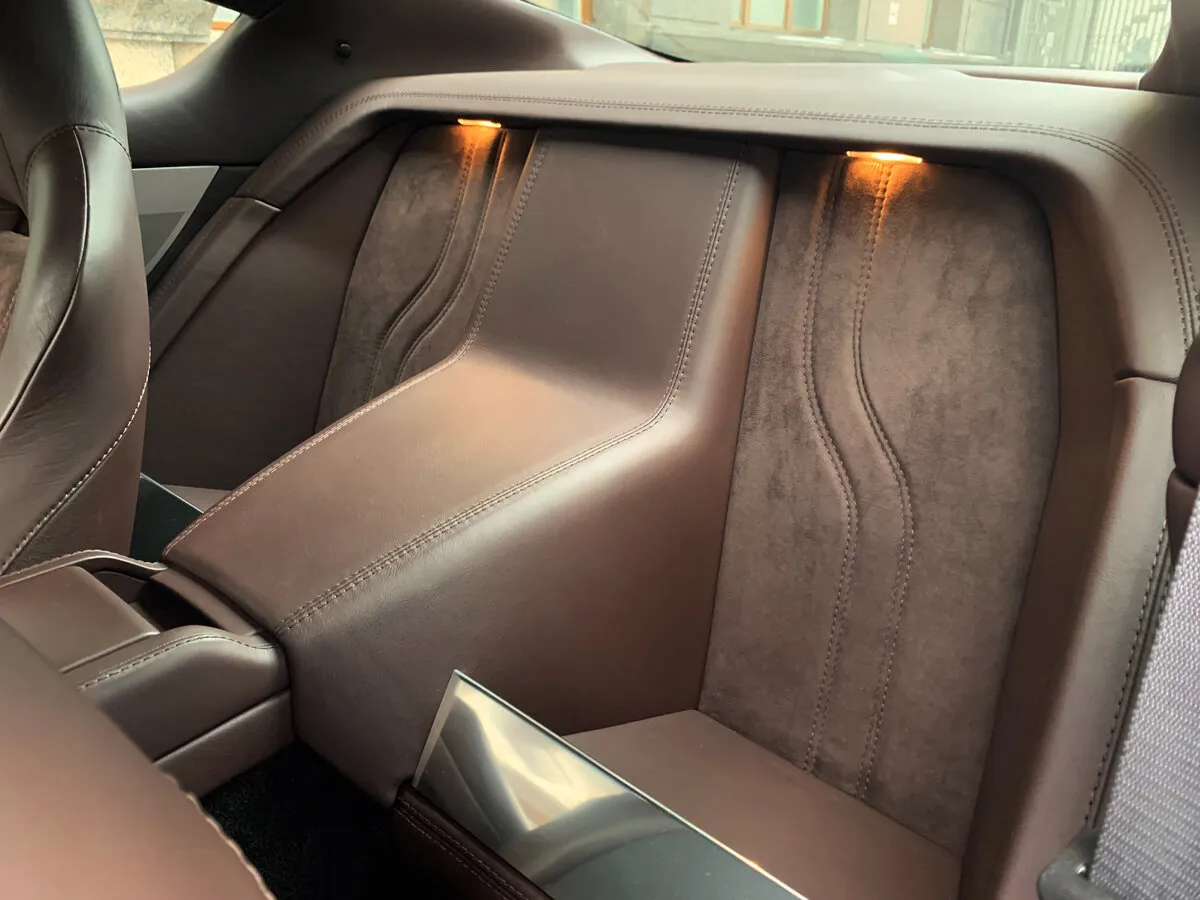
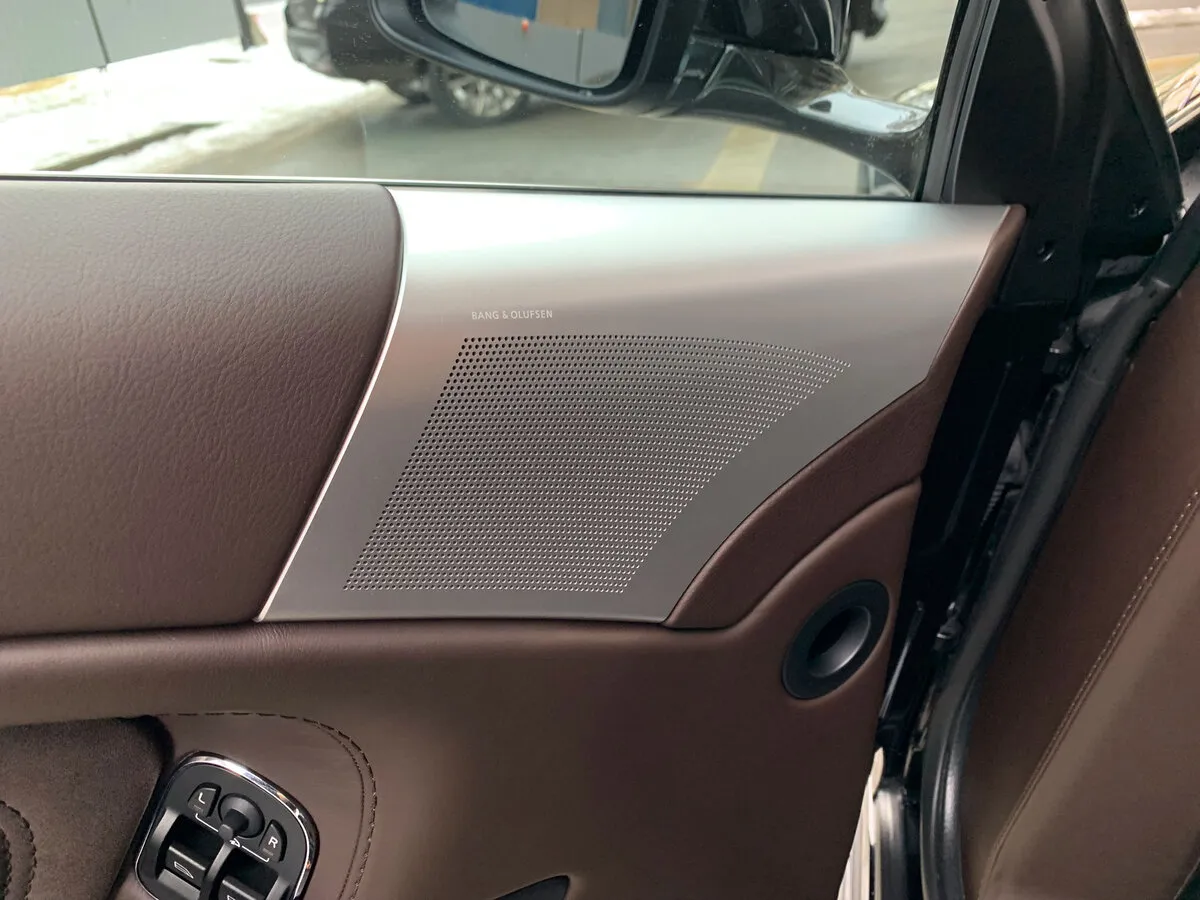
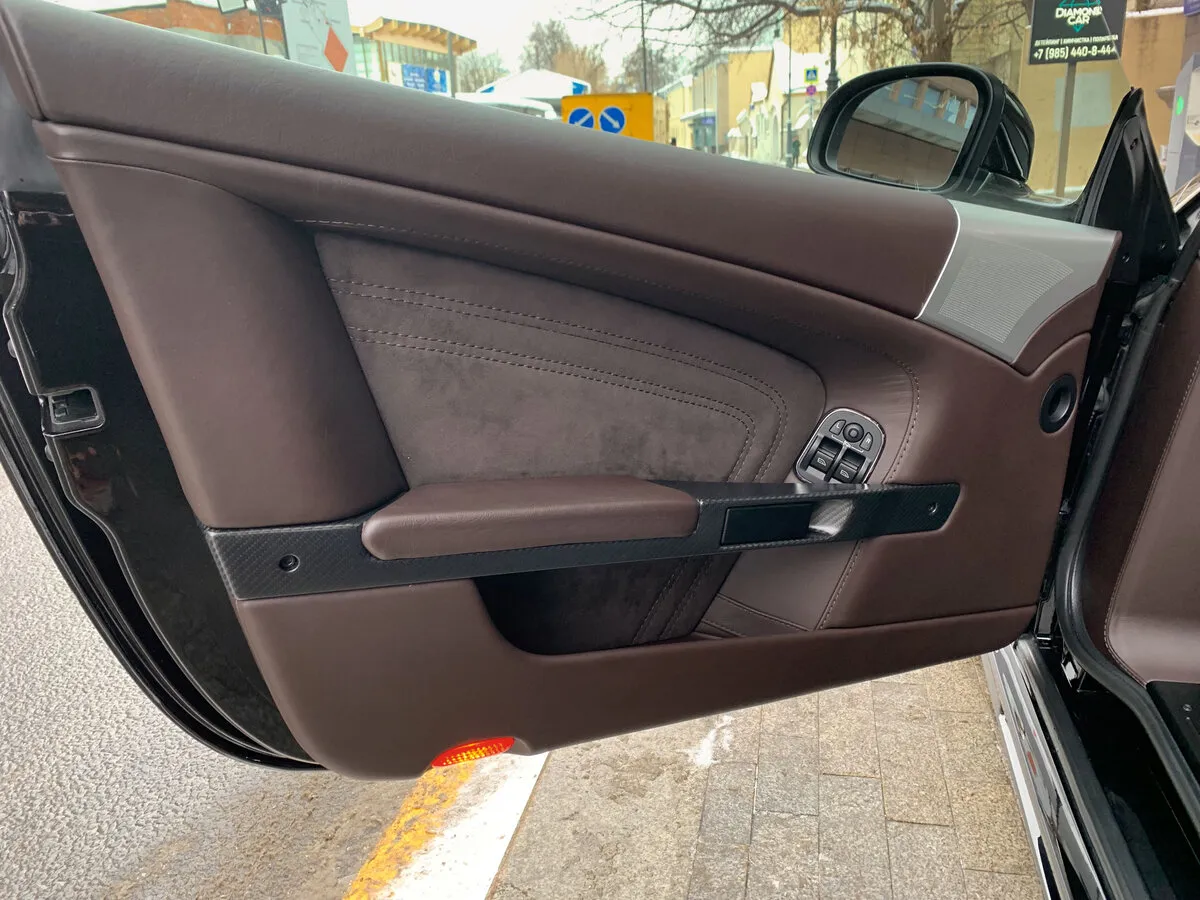
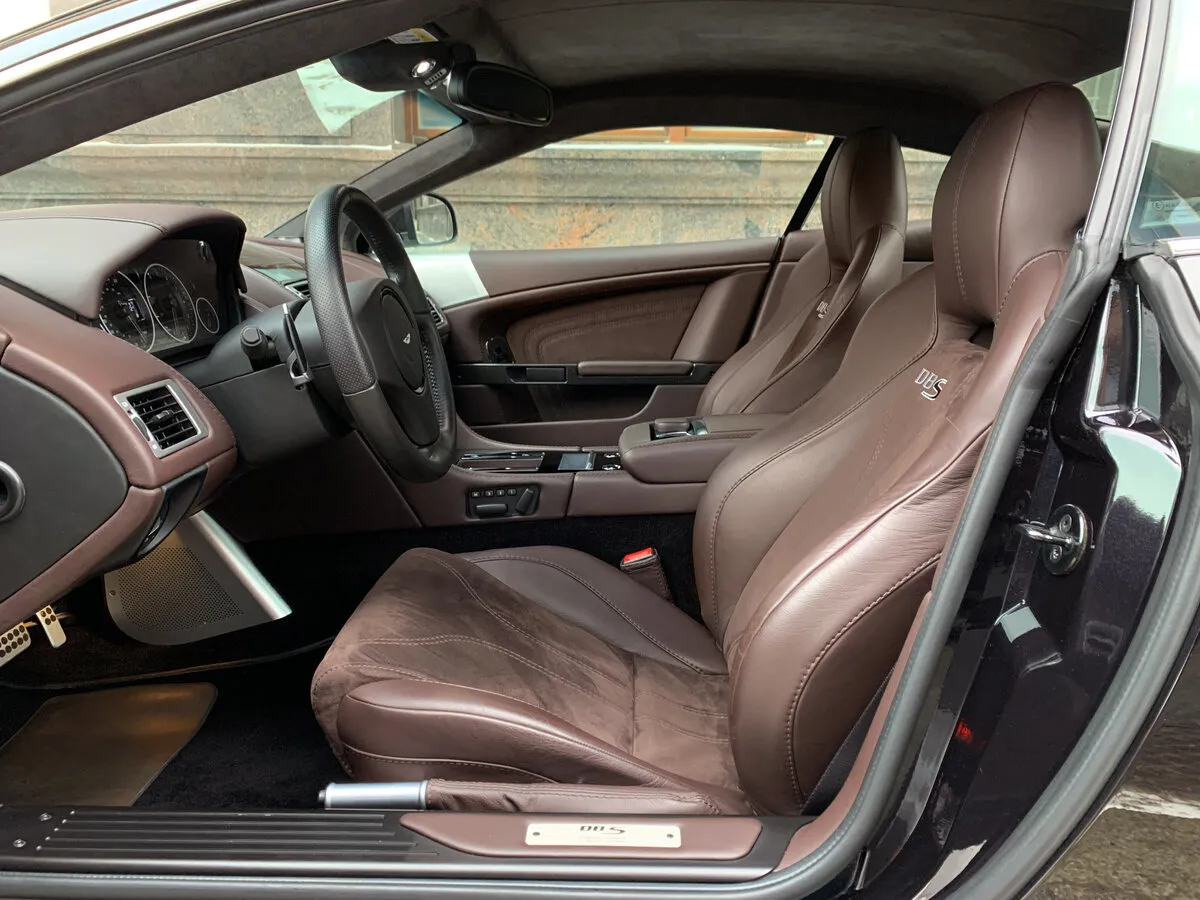
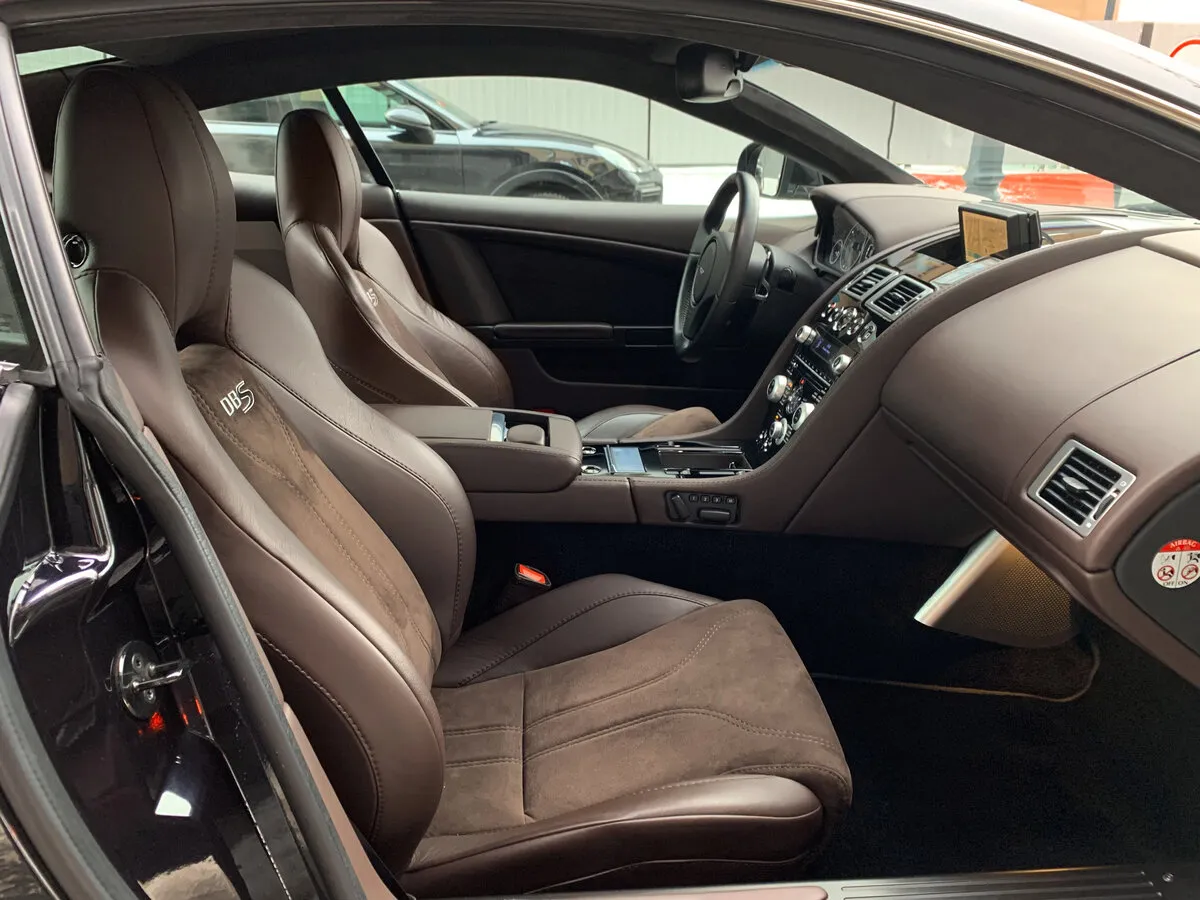
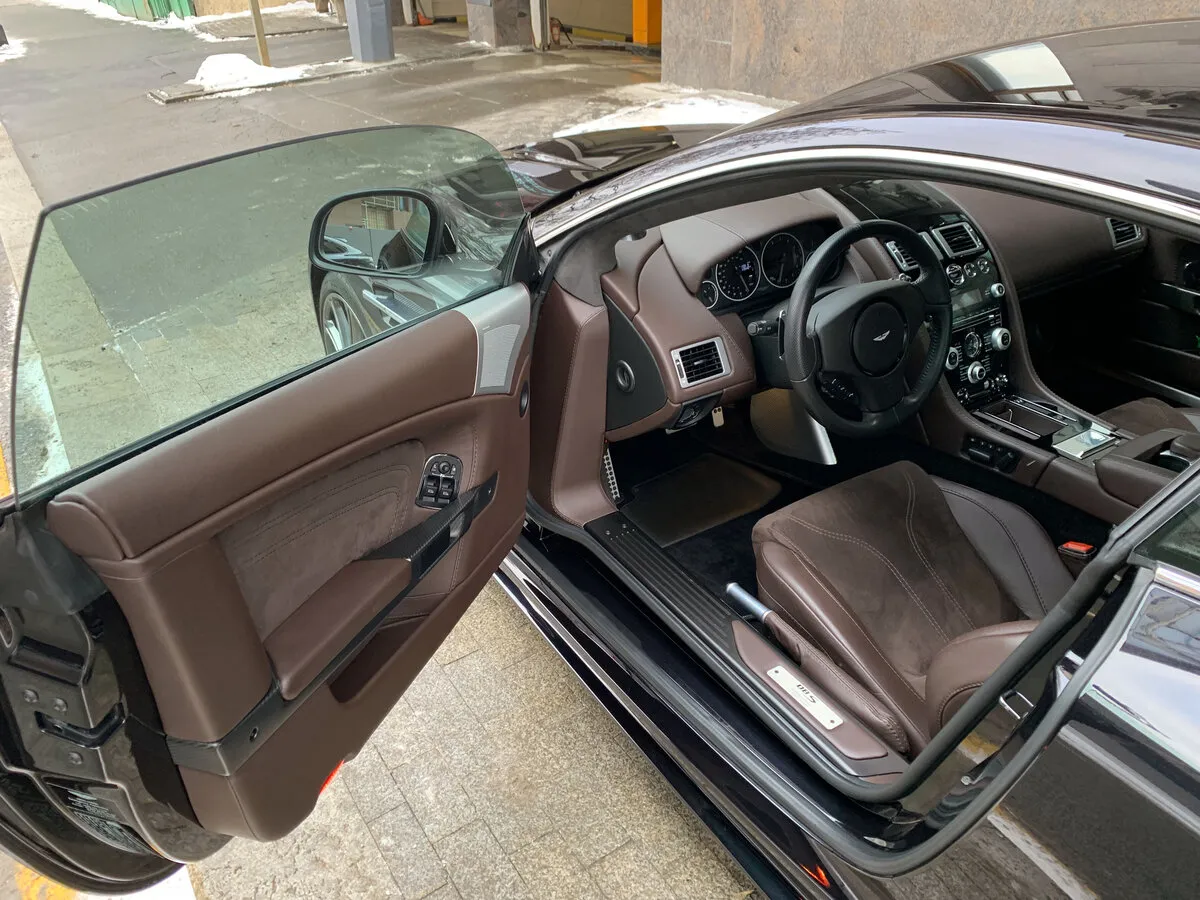
The DBS Superleggera interior is already at the upper end of GT car quality — Bridge of Weir leather, polished aluminium, and substantial soft-touch surfaces throughout. However, for clients who want something beyond the catalogue, the options are extensive.
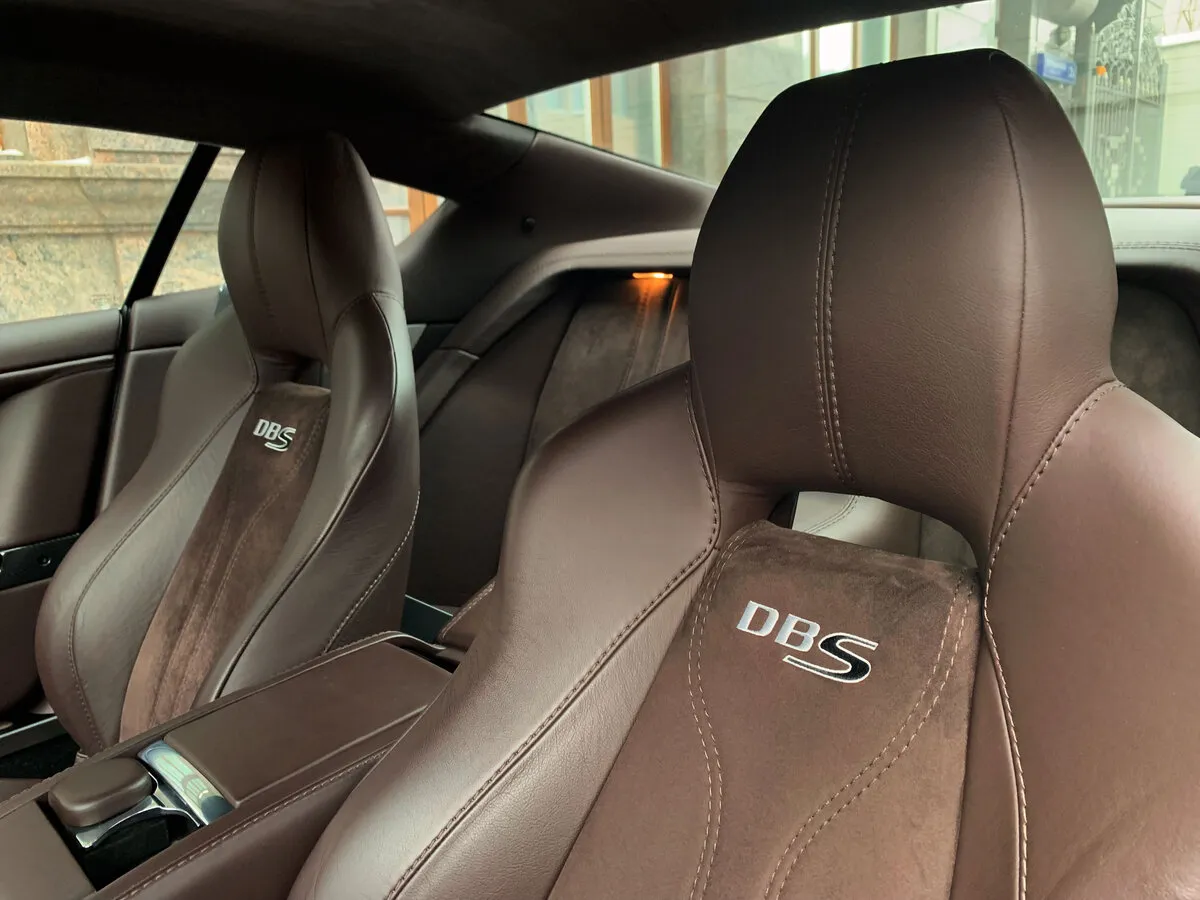
Q by Aston Martin interior: Any leather colour, any stitching pattern, any material combination. Full Alcantara cabin treatment — headlining, A-pillars, dashboard — is one of the most popular Q requests. Hand-stitched personalisation including owner initials, national flags, or bespoke designs in the seat headrests. Lead time: 6-16 weeks depending on complexity.
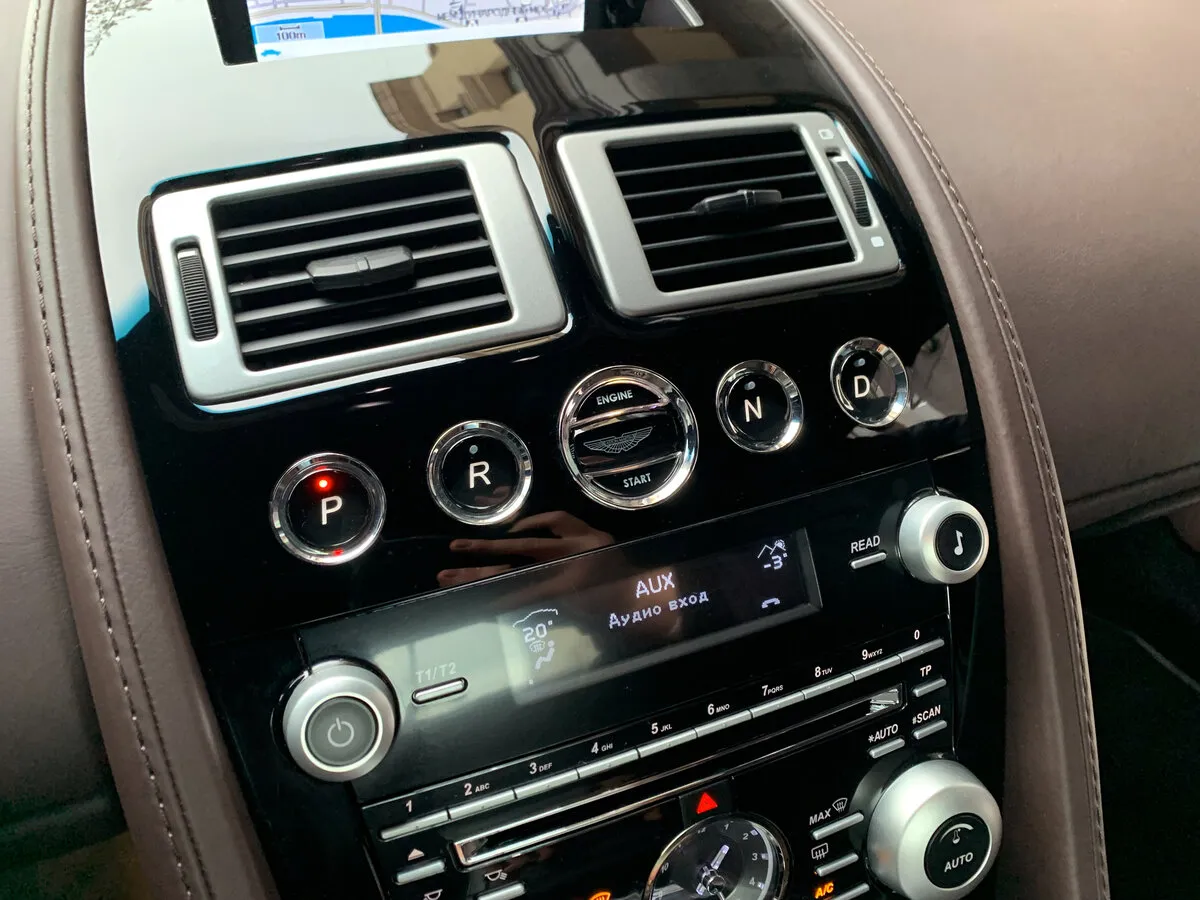
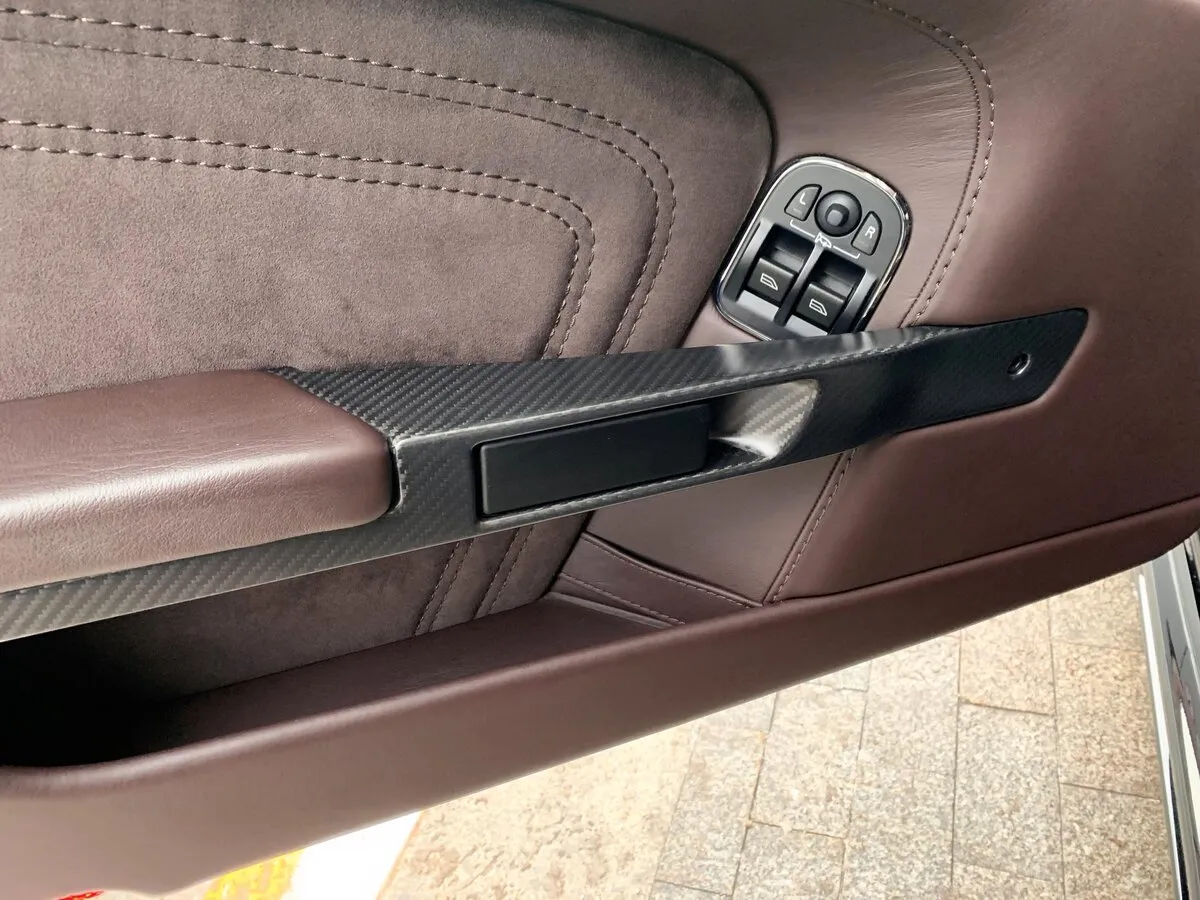
Aftermarket trim: Specialist workshops offer full cabin re-trims in premium Alcantara, extending to door cards, steering wheel, and centre console. Titanium gear selector — available from factory on the Racing specification — can be retrofitted through authorised dealers. Carbon fibre interior trim overlays replace the standard satin finish panels.
Rear wing delete: The DBS Superleggera features an active rear wing spoiler. For clients who prefer the cleaner aesthetic of the deleted spoiler position, a wing delete programme is available through select coachbuilders. Popular for concours presentation and track days where the active aerodynamics are not required.
How It Compares: DBS Superleggera vs Ferrari 812 Superfast
The DBS Superleggera and Ferrari 812 Superfast occupy the same market segment: V12 grand touring cars at approximately £250,000-300,000 new, positioned above the standard sports car but below the hypercar threshold. A direct comparison reveals where each car's aftermarket programme is strongest.
Engine architecture: The Ferrari 812 uses a naturally aspirated 6.5-litre V12 producing 800hp — more power than the DBS's turbocharged 725hp, and a completely different character. The naturally aspirated Ferrari screams to 9,000rpm; the Aston's twin-turbo V12 delivers torque from lower in the rev range, making it more effortless in daily driving.
Tuner ecosystem: Ferrari wins decisively on breadth. Novitec has a comprehensive 812 programme, Mansory has a 812 programme, and numerous Italian specialists work on Ferrari to an extent simply not replicated for Aston Martin. DBS tuning is more exclusive — fewer tuners means each programme is more individual.
Body kit availability: Ferrari 812 has more widebody options (Novitec's programme extends the arches substantially). Aston Martin DBS has more bespoke coachbuilding routes — Q by Aston Martin's level of personalisation is unmatched in the GT sector. TopCar and Mansory both work on the DBS but with fewer catalogue SKUs than their Ferrari equivalents.
Wheel fitment: Both cars use centre-lock wheel hubs on performance specifications, which limits aftermarket options versus conventional lug-nut fitments. HRE and Vossen both support both platforms.
Performance ceiling: Ferrari 812 is faster in a straight line — 800hp NA versus 725hp TT, with the 812 GTS reaching 0-100 in 3.0 seconds. DBS is more comfortable over distance. The aftermarket performance headroom is comparable: both platforms reach approximately 800-850hp with Stage 2 calibration.
Verdict for Hodoor customers: If breadth of tuner options, a larger enthusiast community, and more dramatic widebody programmes matter, the Ferrari 812 platform is better served. If exclusivity, British character, and a more GT-oriented character are priorities, the DBS Superleggera is the stronger choice. Hodoor sources parts and programmes for both platforms globally.
Frequently Asked Questions
- Is the DBS Superleggera the same car as the DB11 Volante?
- No. Both cars share the VH (Vertical Horizontal) platform and the 5.2-litre twin-turbo V12 engine architecture, but the DBS uses a different body, different front and rear styling, more aggressive aerodynamics, and a higher-specification interior. The DBS produces 725hp versus the DB11 AMR's 630hp. The Volante is the convertible variant of the DB11, not the DBS.
- Centre-lock wheels — can standard lug-nut aftermarket wheels fit the DBS?
- No. The DBS Superleggera uses a centre-lock wheel retention system — a single large central nut rather than five or six conventional lug nuts. Standard aftermarket wheels cannot be fitted without a hub adapter conversion, which is not recommended. Any aftermarket wheel purchase for the DBS must be from a supplier that confirms specific centre-lock compatibility for the Aston Martin DBS fitment.
- Mansory DBS vs TopCar DBS — which is more available for fast delivery?
- TopCar typically offers faster delivery timelines, with programmes available through distributor stock in GCC and European markets. Mansory programmes for the DBS are produced to order and are more exclusive — lead times are typically 10-16 weeks versus TopCar's 4-8 weeks for in-stock items. Mansory is the more prestigious choice for clients for whom exclusivity outweighs speed of delivery.
- Does a Stage 2 ECU remap affect the Aston Martin service warranty?
- Yes, independent ECU remapping will typically affect your Aston Martin warranty coverage. The only power upgrade that preserves full manufacturer warranty is the official Aston Martin Racing Performance programme, available through authorised dealers. If you are within the factory warranty period and warranty preservation is important, consult your Aston Martin dealer before proceeding with any independent tuning programme. Once outside warranty, independent remapping carries no such restriction.
Mansory, TopCar, Wheelsandmore, HRE, Capristo, Akrapovic — sourced and delivered worldwide. Expert guidance on DBS-specific fitment and compatibility.
[email protected]