Audi RS e-tron GT Tuning Guide 2026 — Body Kits, Wheels & Aero


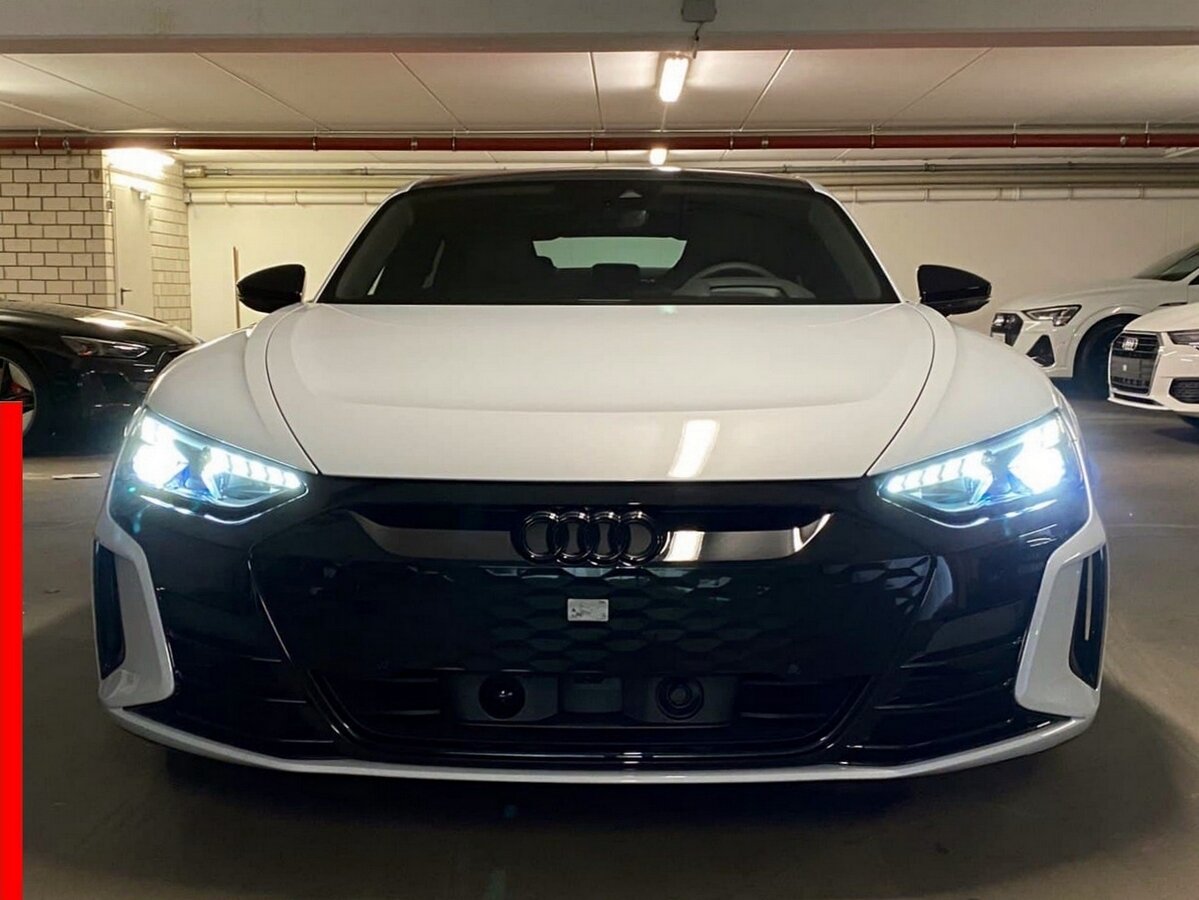
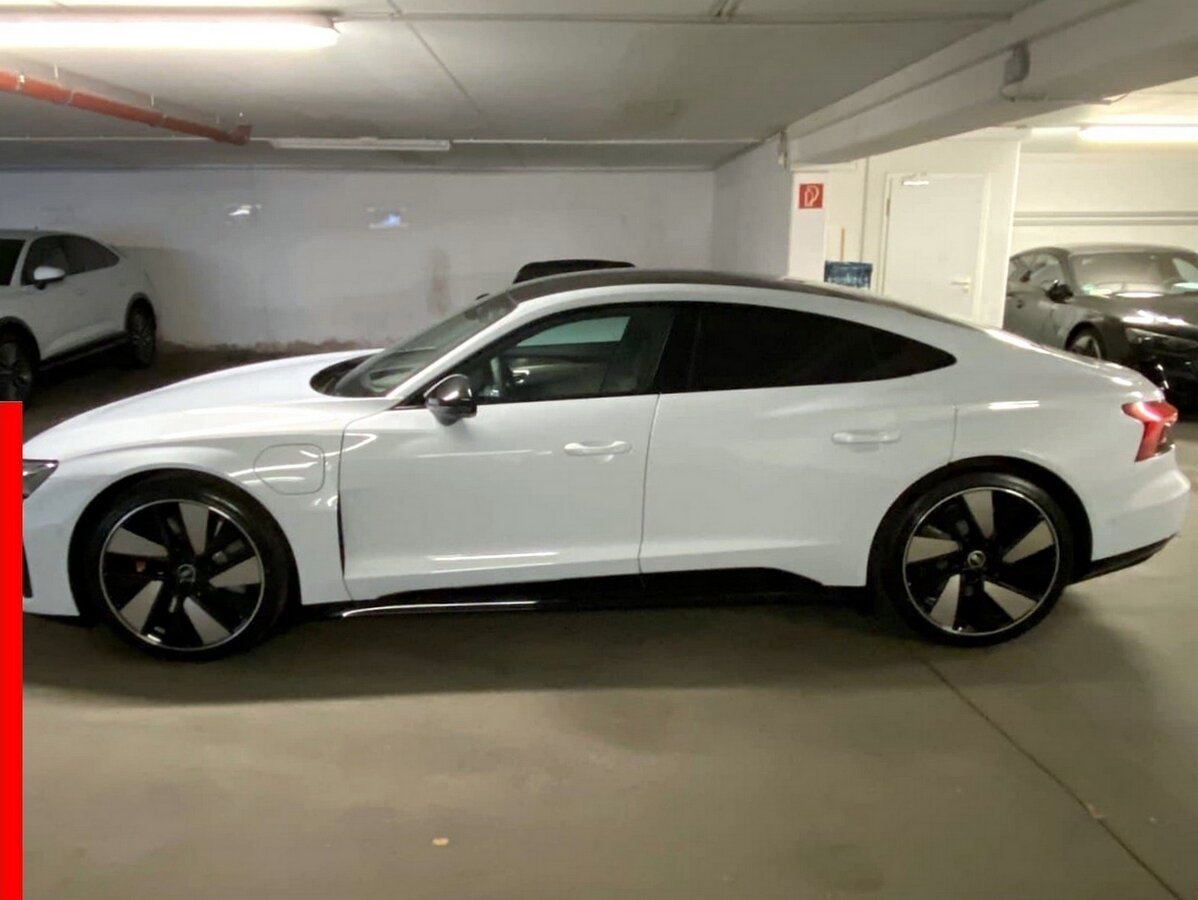
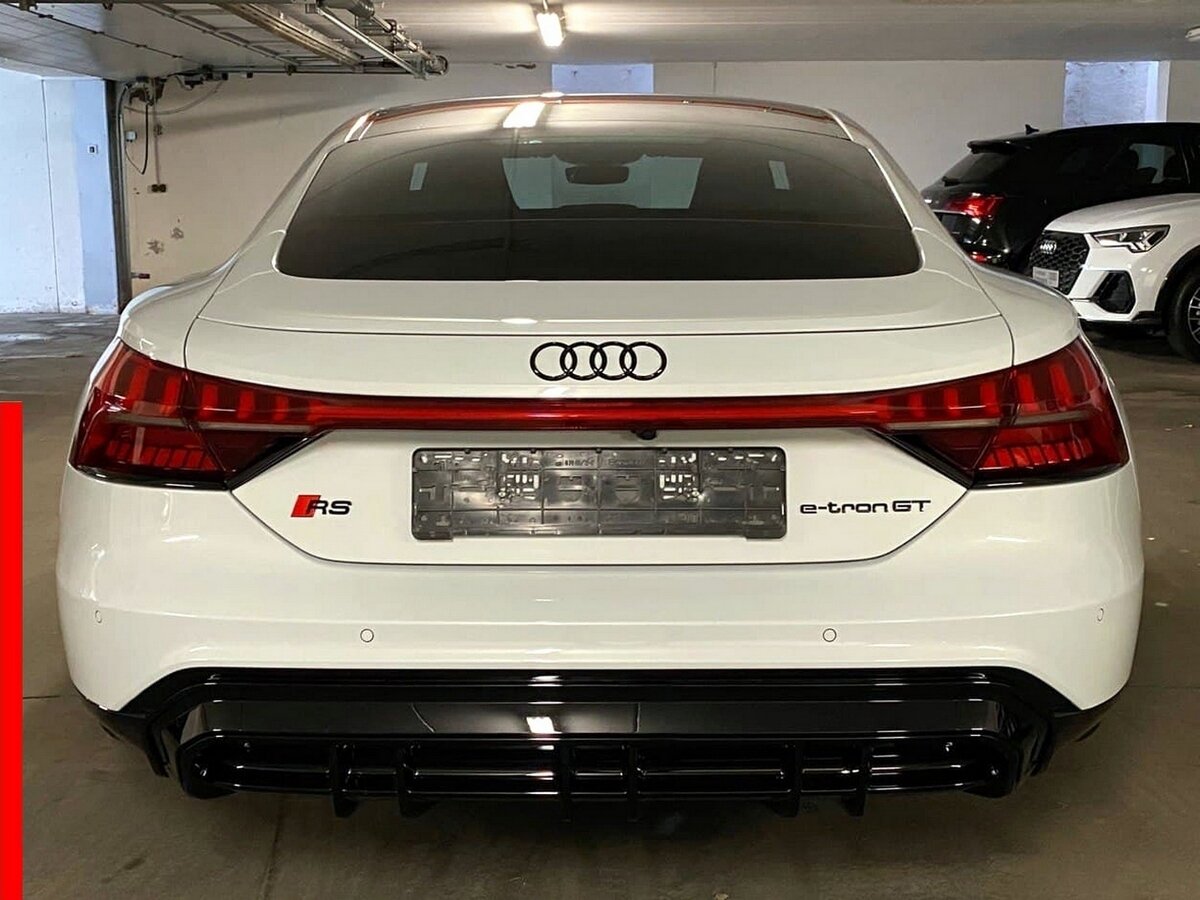
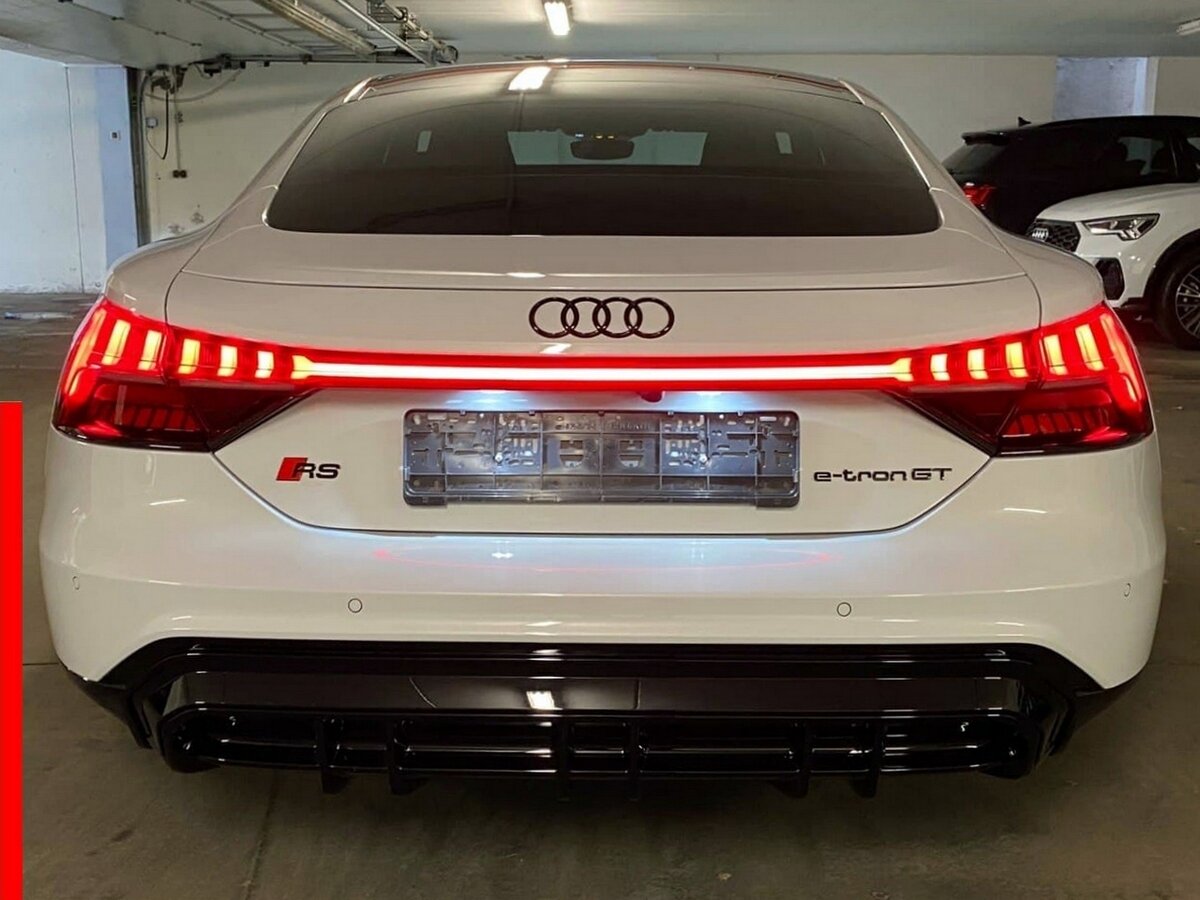
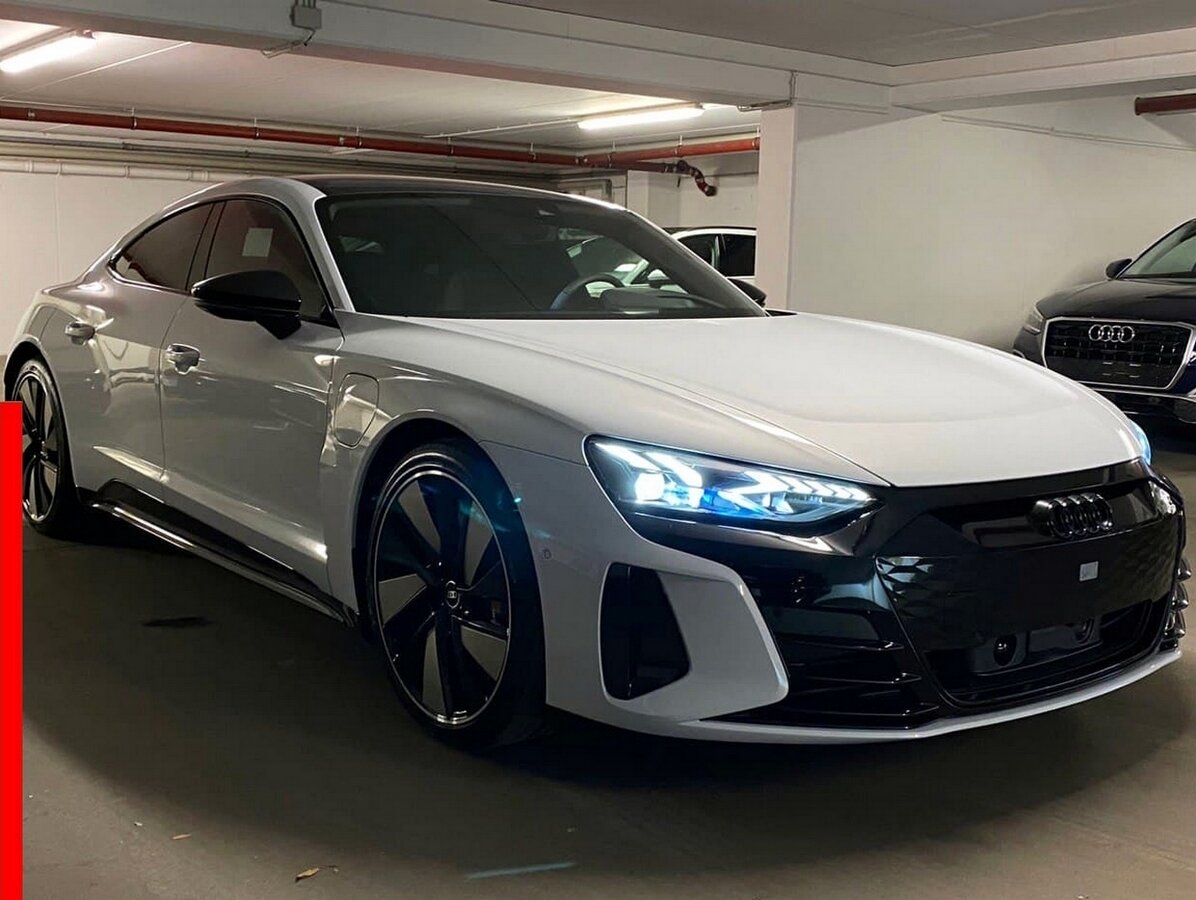
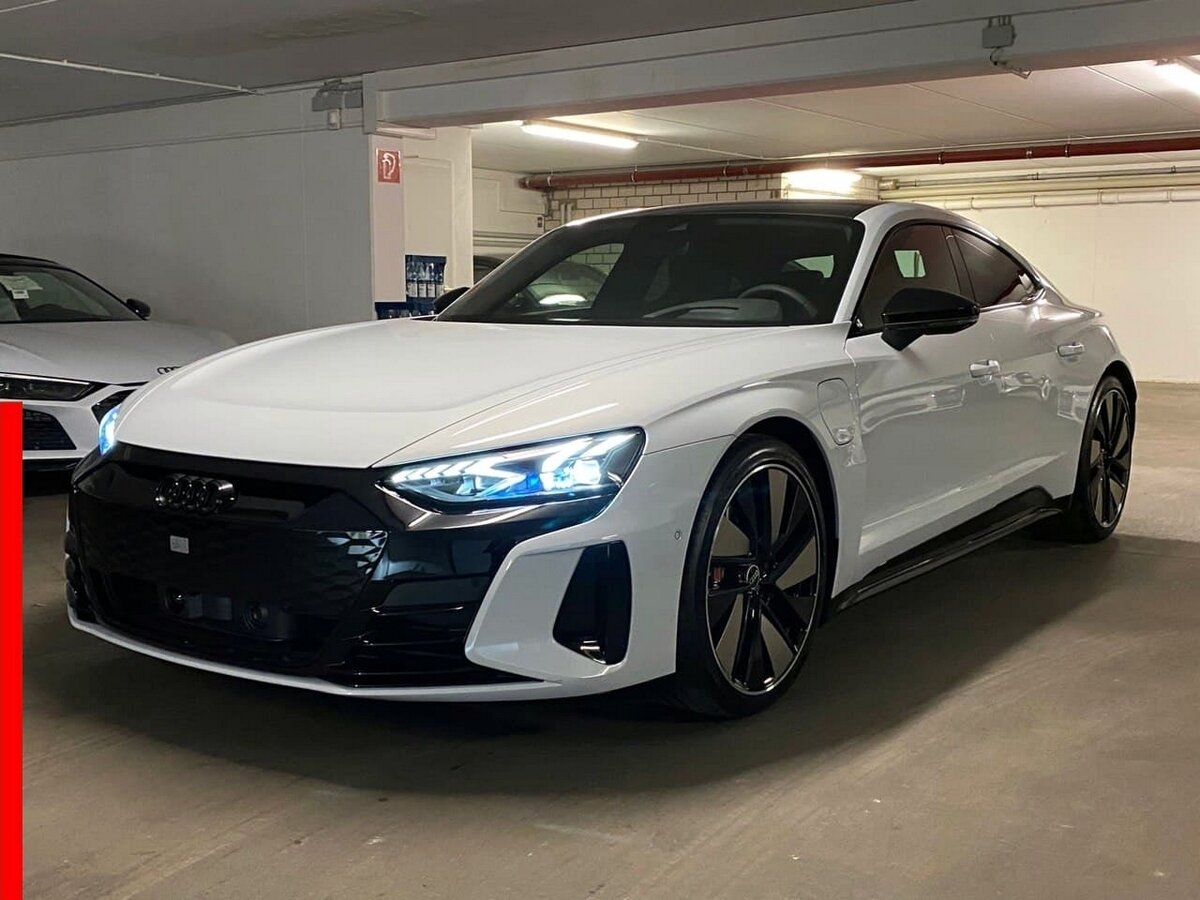
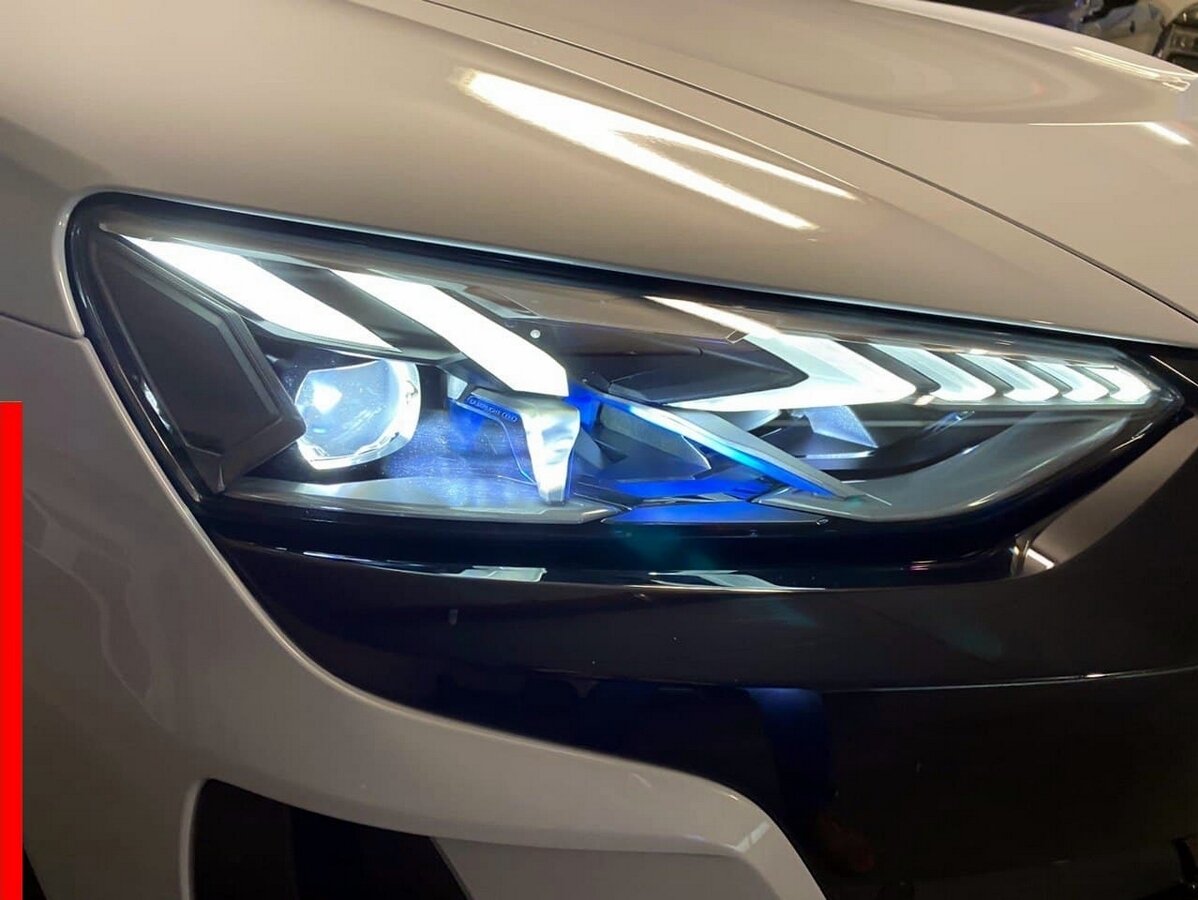
The Audi RS e-tron GT is the car that proved Audi could build a driver's EV. Sitting on the J1 PPE platform shared with the Porsche Taycan Turbo S, the RS e-tron GT combines 646 hp in boost mode with a 0–100 km/h time of 3.3 seconds and a kerb weight distribution biased toward the rear axle that gives it genuinely playful handling for a car weighing 2,347 kg. Long bonnet proportions, a dramatically low roofline, and a carbon fibre roof as standard reflect the seriousness of the engineering. Audi's own claim that the RS e-tron GT is the most aerodynamically developed road car they have ever built is supported by a drag coefficient of 0.24 Cd — remarkable for a car with this level of performance intent. Gran Turismo proportions mean the RS e-tron GT occupies a unique space: performance EV, grand tourer, and design statement simultaneously. In 2026 the tuning ecosystem around this platform has matured significantly.
| Parameter | Value |
|---|---|
| Motors | Dual motor (front + rear) |
| Power / Torque (boost) | 646 hp / 830 Nm |
| 0–100 km/h | 3.3 s |
| Range (WLTP) | 472 km |
| Platform | J1 PPE (shared with Taycan Turbo S) |
| Production | 2021–present |
Body Kits
ABT RS e-tron GT Programme — ABT Sportsline's body programme for the RS e-tron GT is the most comprehensively engineered aftermarket offering for this platform. The kit comprises a carbon fibre front splitter that integrates with the factory lower bumper opening, carbon side skirts in dry-weave finish, and a prominent rear wing with dual adjustable end plates. ABT developed the rear wing using the same wind tunnel used for their motorsport programmes, and it is offered in two downforce settings — GT (neutral highway) and Sport (high-downforce track). The front splitter is available in 2×2 twill or forged carbon patterns and sheds approximately 1.2 kg compared to a fibreglass equivalent. The complete ABT RS e-tron GT aero programme is available as individual components or as a full package.
Mansory Carbon Bonnet and Aero Kit — Mansory's interpretation of the RS e-tron GT is characteristically bold. Their dry carbon bonnet features twin raised power-dome vents that give the car a more overtly aggressive face than the factory design, and it saves 8 kg compared to the OEM steel unit — significant on a platform where engineers have already specified a carbon roof from the factory. The Mansory aero kit adds carbon front canards, a revised rear diffuser in exposed carbon weave, and a carbon boot lid spoiler. Mansory's RS e-tron GT programme is one of their more restrained efforts by the brand's standards, working with the car's natural aerodynamic language rather than against it.
Wheelsandmore Aero Package — Wheelsandmore's approach to the RS e-tron GT is performance-led rather than visual. Their aero package focuses on the underbody and diffuser — elements that improve actual downforce without dramatically altering the car's elegant silhouette. The package includes a carbon front splitter lip, carbon rear diffuser extension, and a carbon boot spoiler with integrated Gurney flap. Wheelsandmore are best known in the tuning industry for their wheel and tyre combinations but their aero work on the RS e-tron GT reflects the same engineering-first methodology that characterises their broader product range.
Our team handles sourcing, fitment advice, and worldwide DDP shipping: [email protected]
Wheels
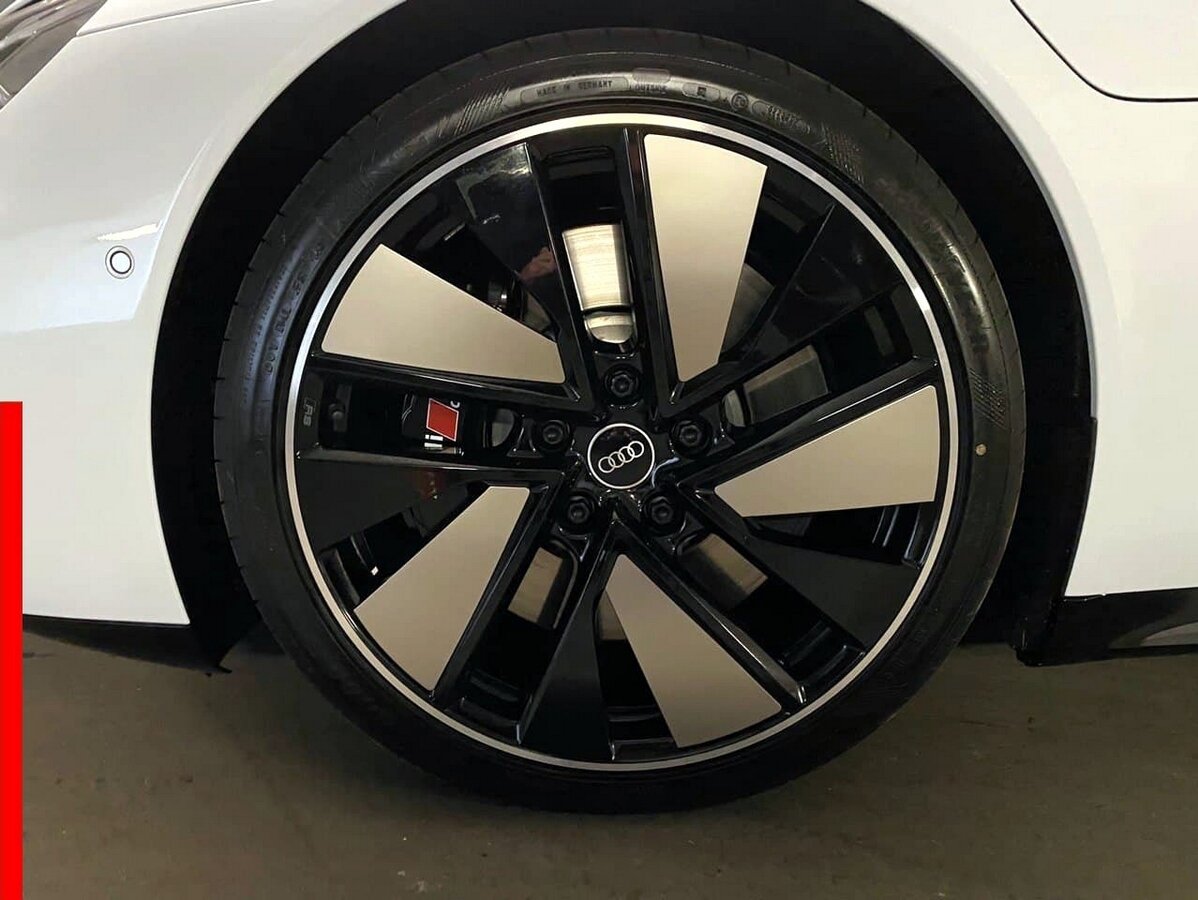
The RS e-tron GT ships with 21-inch alloys as factory standard — a deliberate decision by Audi to preserve the car's GT character with a meaningful tyre profile. Upgrading within the 21-inch diameter rather than going larger is common on this platform; the factory Taycan Turbo S uses a 21×9.5J ET45 front / 21×11.5J ET52 rear staggered setup that also fits the RS e-tron GT bodyshell and provides a wider rear stance without sacrificing ride quality.
Wheel construction for a GT application should be forged monoblock without exception. The RS e-tron GT is driven hard — motorway cruising, occasional track days, and the sustained G-forces of launch control use — and cast or flow-formed wheels can develop micro-fatigue cracks that are invisible until they become catastrophic. Forged monoblock construction eliminates this risk entirely. The HRE P200 in Liquid Silver or Frozen Black is a leading choice at 21 inches — HRE's forging process produces a wheel weighing 9.8 kg in 21×9.5J, roughly 3.5 kg lighter than the OEM item. The Vossen HF-7 in Gloss Graphite offers a different aesthetic while matching the forged weight advantage. Both are available in the staggered widths required for the GT's rear-biased setup.
Performance Upgrades
The RS e-tron GT has no combustion drivetrain to tune, but the performance upgrade pathway is well-established and effective. The headline item is ABT's 680 hp software upgrade for the RS e-tron GT — a power increase of 34 hp over the factory boost mode figure achieved through recalibration of the motor control unit and battery management system. ABT achieve this without hardware changes, using their established OBD-port calibration interface. The upgrade is available as a standalone service or as part of the full ABT RS e-tron GT package.
On the chassis side, ABT's coilover suspension for the RS e-tron GT provides 10–25 mm of ride height adjustment with independently adjustable compression and rebound damping across 16 settings per corner. The firmer spring rates and faster damper response noticeably improve the car's cornering flatness and make the most of the torque vectoring rear differential.
For braking, the carbon ceramic brake upgrade is the definitive choice on the GT platform. The factory steel rotors are adequate for road use but fade noticeably on mountain passes or track driving. Brembo's CCM kit for the RS e-tron GT uses 420 mm front rotors with 10-piston monobloc calipers — an installation that saves 18 kg of unsprung mass compared to the largest available steel upgrade. This weight saving translates directly into more precise regenerative braking response and better tyre feedback through the steering column.
Carbon vs Fibreglass — What to Choose
This is the most common question we receive about the RS e-tron GT specifically, and the answer is more straightforward than it might appear: carbon is the right choice for this car.
The reasoning starts with the factory specification. Audi fitted a carbon fibre roof as standard on the RS e-tron GT — not as an option, but as standard equipment. This was a weight decision: the roof is the single highest-mounted major panel on the car, and reducing its mass lowers the centre of gravity and improves dynamic balance. If Audi made this engineering decision in production, it signals clearly that carbon is the correct material language for the RS e-tron GT's performance story.
The kerb weight context matters here. At 2,347 kg the RS e-tron GT is a heavy car — unavoidably so, given the battery mass. Every kilogram saved at the exterior matters proportionally more than on a lighter platform. A carbon bonnet from ABT saves 8 kg compared to the OEM steel bonnet. A carbon boot lid from Mansory saves a further 5–6 kg. Add carbon side skirts and a carbon splitter and you have removed 15–20 kg from the exterior alone. This is not trivial: it represents roughly the same improvement to the power-to-weight ratio as a 10 hp software increase.
Carbon also offers superior stone chip resistance compared to fibreglass when properly clear-coated. On a GT car that may cover 20,000–30,000 motorway kilometres per year, the leading edge of the bonnet and front splitter take sustained high-velocity stone impacts. Fibreglass absorbs these impacts by flexing slightly and cracking the gel coat; carbon's woven structure distributes the impact energy across a wider area with less surface damage. For owners who want their upgrades to look as good after three years of motorway use as they did on delivery day, carbon is the practical choice.
The cost difference is real: a fibreglass body kit for the RS e-tron GT runs €2,000–4,000 for a full front-and-rear set, while a comparable carbon programme costs €8,000–15,000 depending on the manufacturer and carbon specification (2×2 twill, forged, or visible weave). On a car that costs €160,000–180,000 new, the carbon premium represents 5–8% of the vehicle's value — but it is the choice that aligns with the engineering intent of the platform and delivers better long-term results.
FAQ
- Q: Does the RS e-tron GT share parts with the Porsche Taycan Turbo S?
- Yes — both cars share the J1 PPE (Premium Platform Electric) underpinning, including the battery architecture, the 800V charging system, the rear-biased all-wheel drive setup, and the two-speed gearbox on the rear axle. This means several Taycan Turbo S aftermarket components are cross-compatible with the RS e-tron GT — particularly wheel fitment specs and some brake components. However, body panels, interior, and software calibration are unique to each car, so body kits and ECU upgrades must be model-specific. The shared platform means the tuning ecosystem is roughly twice the size of what it would be if the RS e-tron GT had a unique platform.
- Q: Is ABT's 680 hp software upgrade street-legal in the EU?
- ABT's power upgrade for the RS e-tron GT is designed to be road-legal in Germany under the §19(2) StVZO individual vehicle modification framework. ABT provide an ABE (Allgemeine Betriebserlaubnis) — a general operating permit — for most of their software upgrades in Germany, which means the modification can be entered into the vehicle's registration documents. Outside Germany, legality depends on national type approval rules. We strongly recommend verifying current ABE status with ABT directly before purchase, as regulatory frameworks evolve.
- Q: How does Hodoor handle shipping of large GT body components internationally?
- Large carbon body components — bonnets, full aero kits, wide door sets — are shipped in custom-built wooden crates with foam-insert protection rated for the fragility of carbon fibre. We use DB Schenker and DSV Road for European deliveries and DHL Express Freight for intercontinental shipments. All GT-spec carbon components are insured at full replacement value during transit. Delivery to most EU destinations takes 5–10 business days; GCC destinations 7–14 days; North America 10–18 days. We ship DDP (Delivered Duty Paid) to avoid customs complications. Contact [email protected] for a specific quote.
- Q: How complex is it to install GT bodywork compared to a standard SUV kit?
- GT body components require significantly more care during installation than an SUV body kit. The low clearances, tight panel gaps, and carbon fibre construction mean that installation should only be carried out by a bodyshop experienced with carbon components and luxury vehicle panel fitting. A carbon bonnet replacement, for example, requires pre-fitting, shimming, and bonnet alignment before final torque, and the bonnet stay hardware must be recalibrated for the different weight of the carbon panel. ABT recommend their authorised installer network for all RS e-tron GT programme components. Hodoor can connect customers with verified installers in major European, GCC, and US markets on request.
Worldwide delivery, full carbon programme, expert fitment advice: [email protected]