BMW Z4 M40i (G29) Tuning Guide 2026 — Body Kits, Wheels & Performance


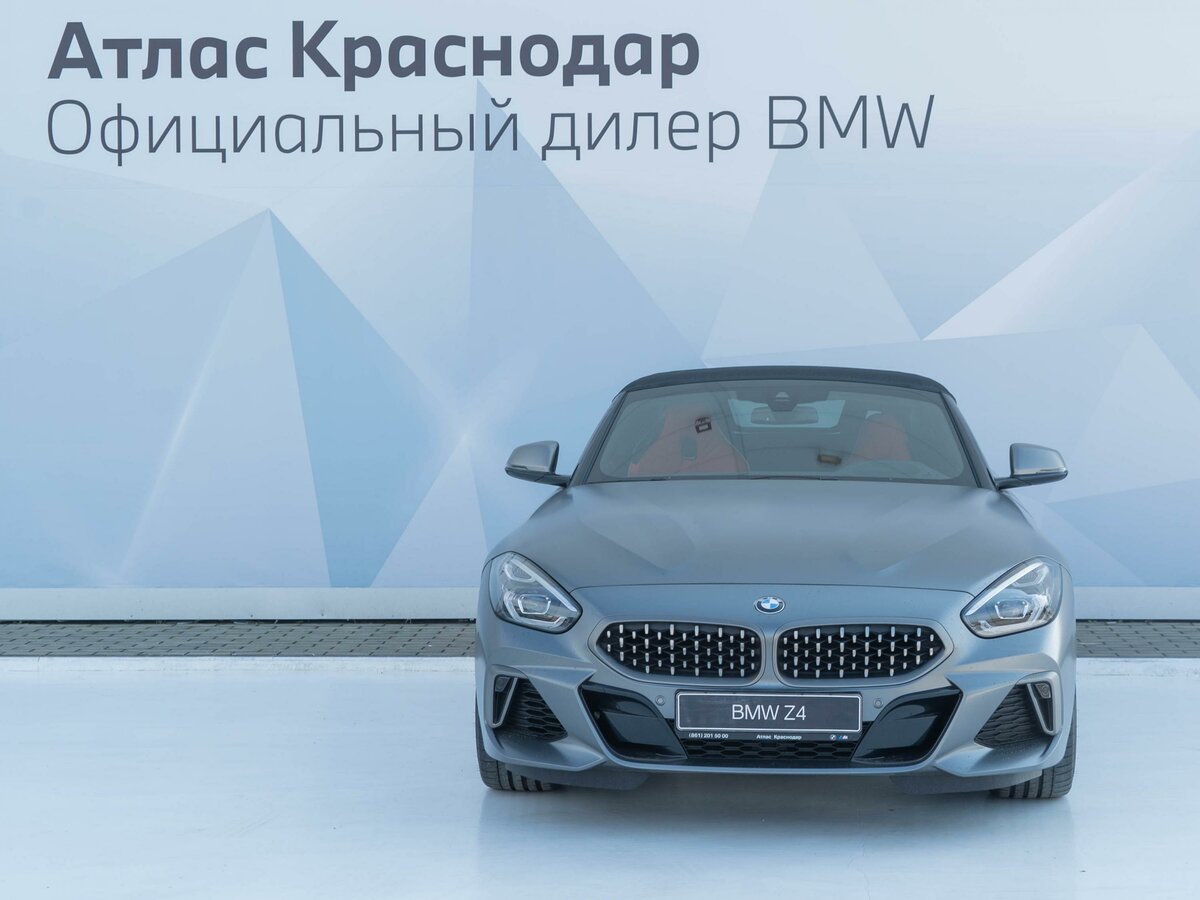
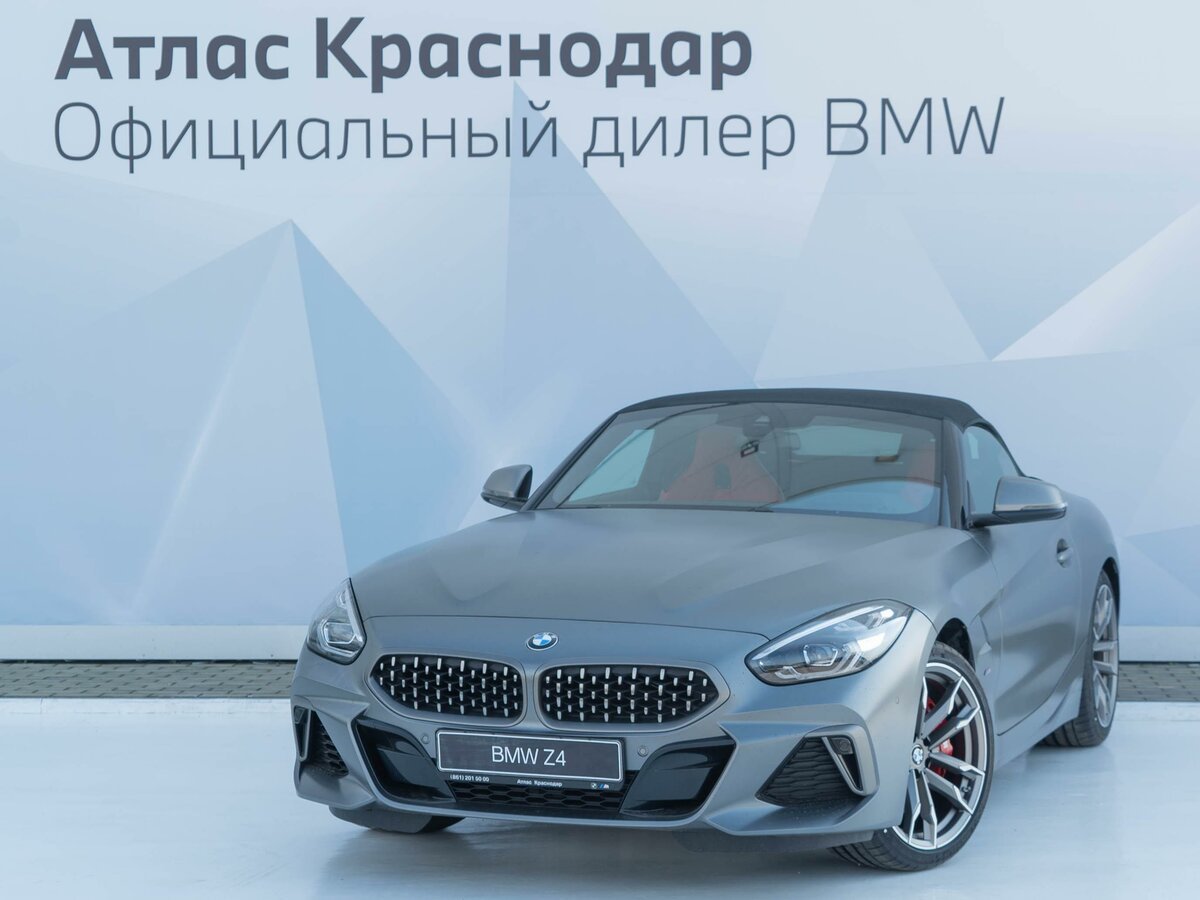
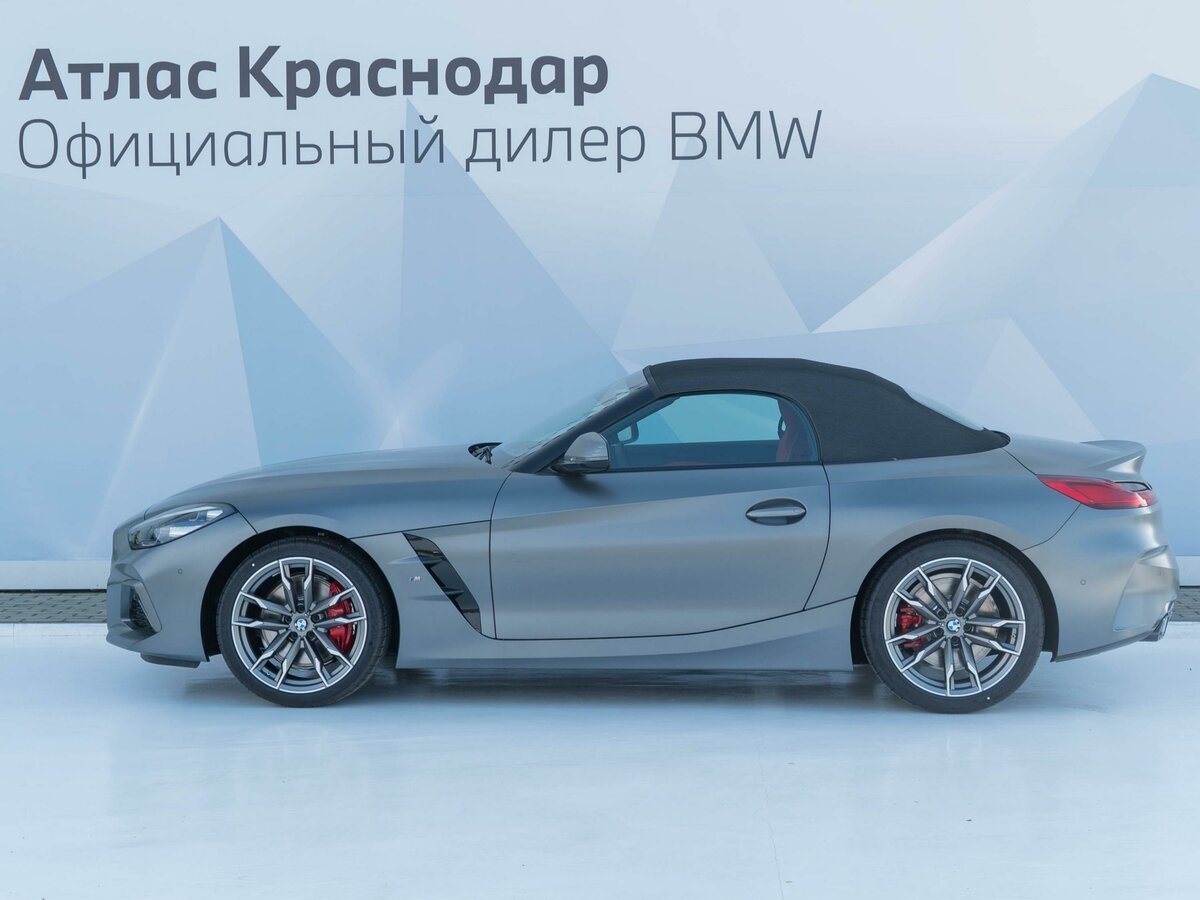
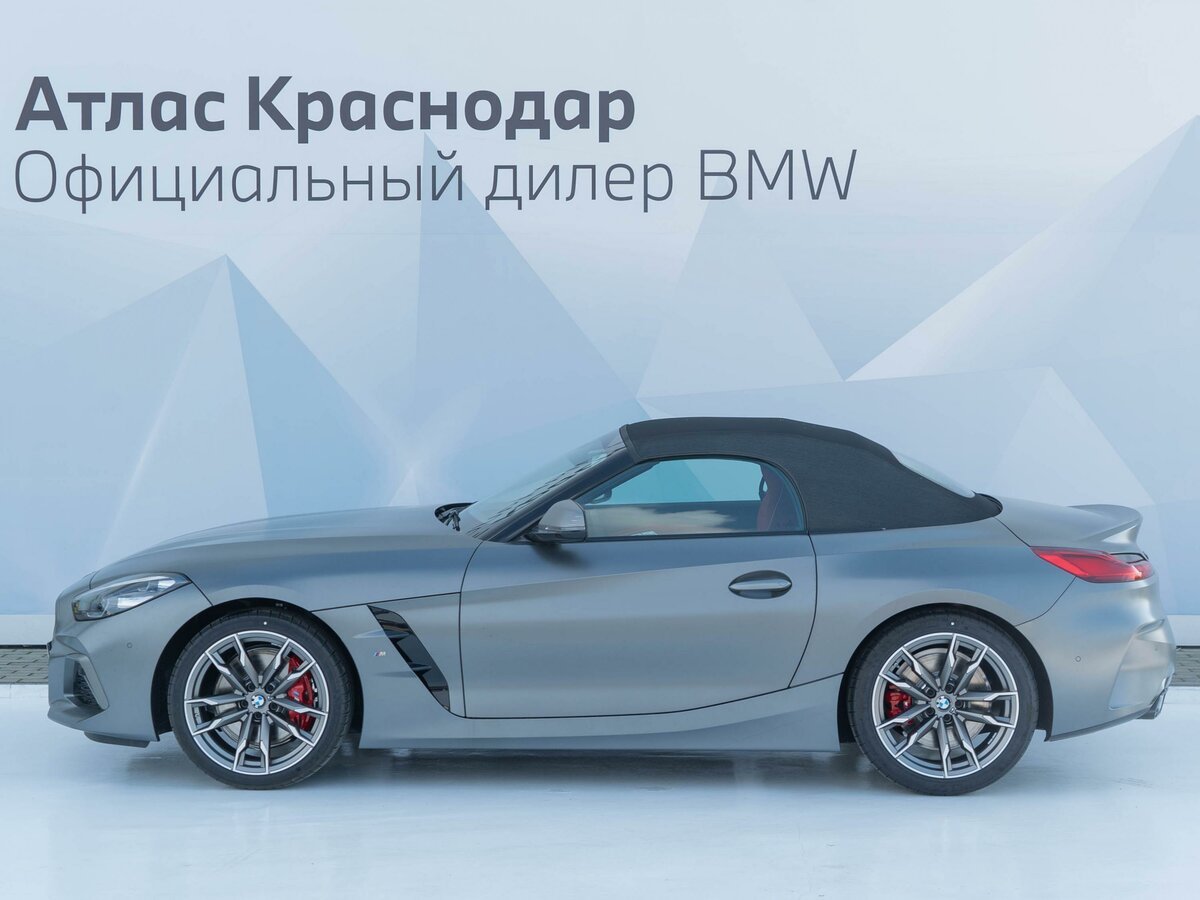
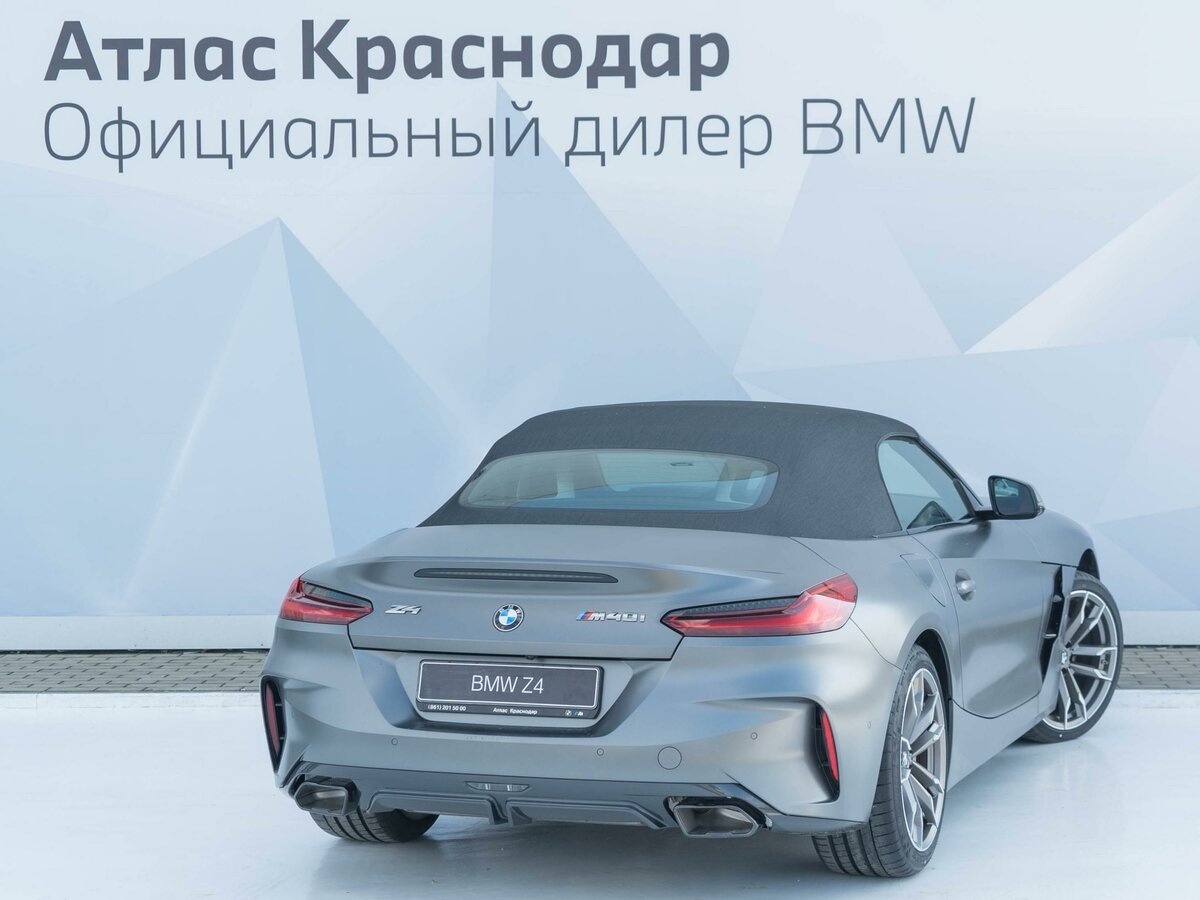
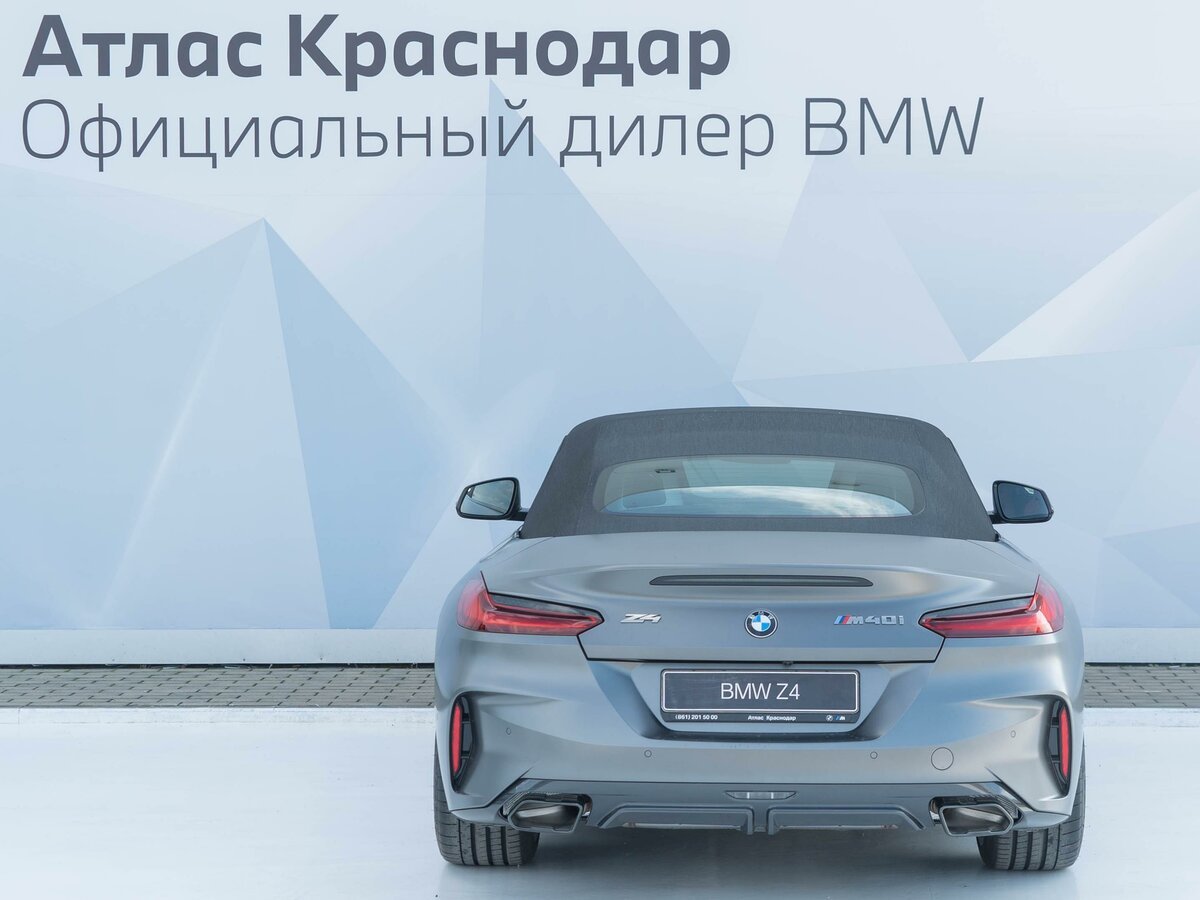
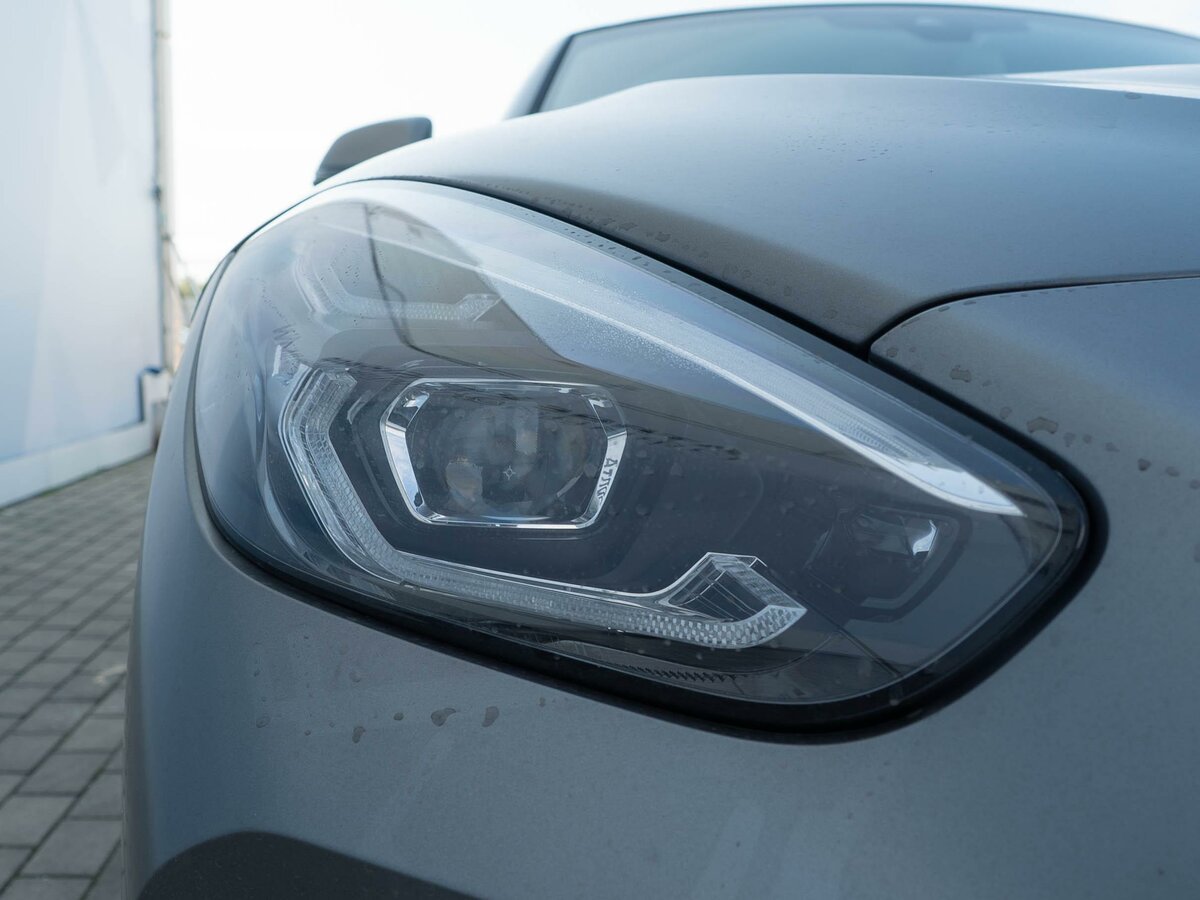
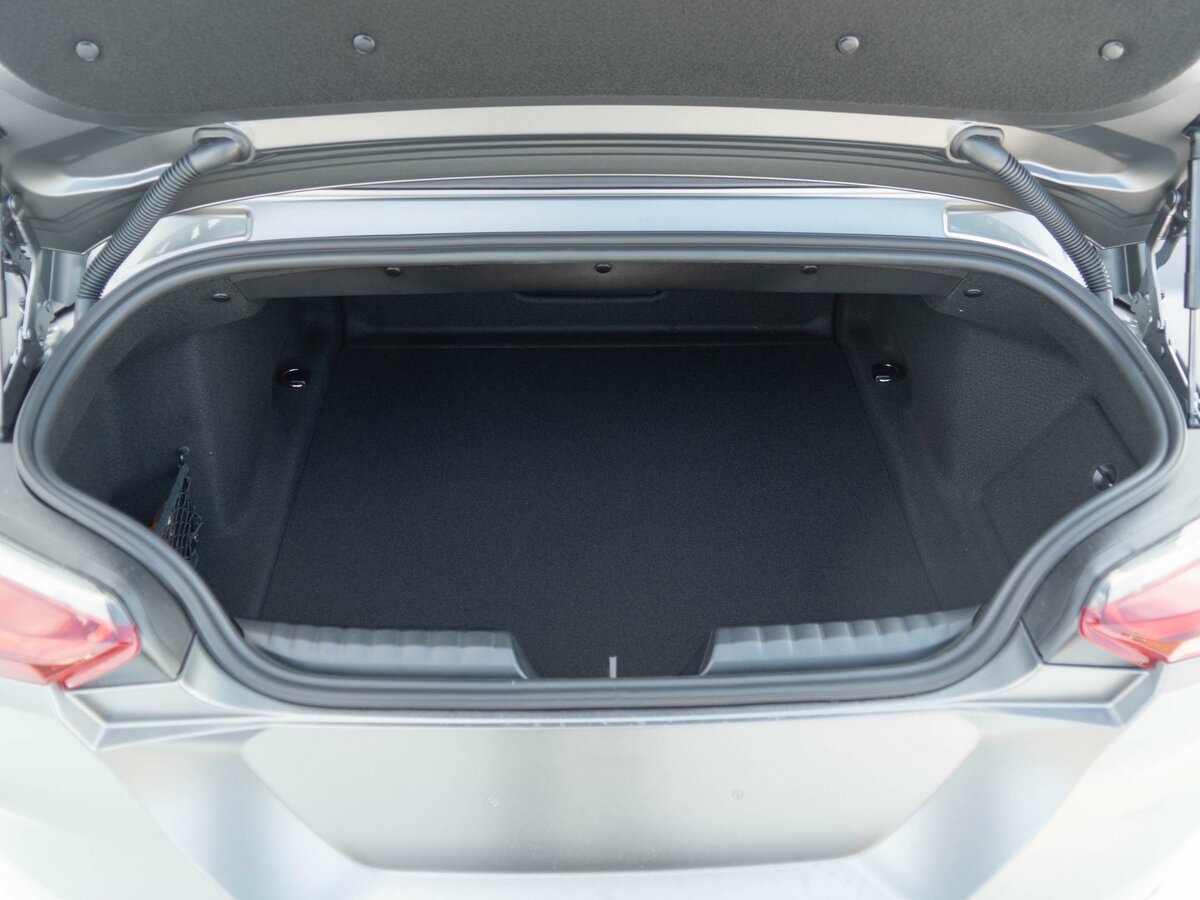
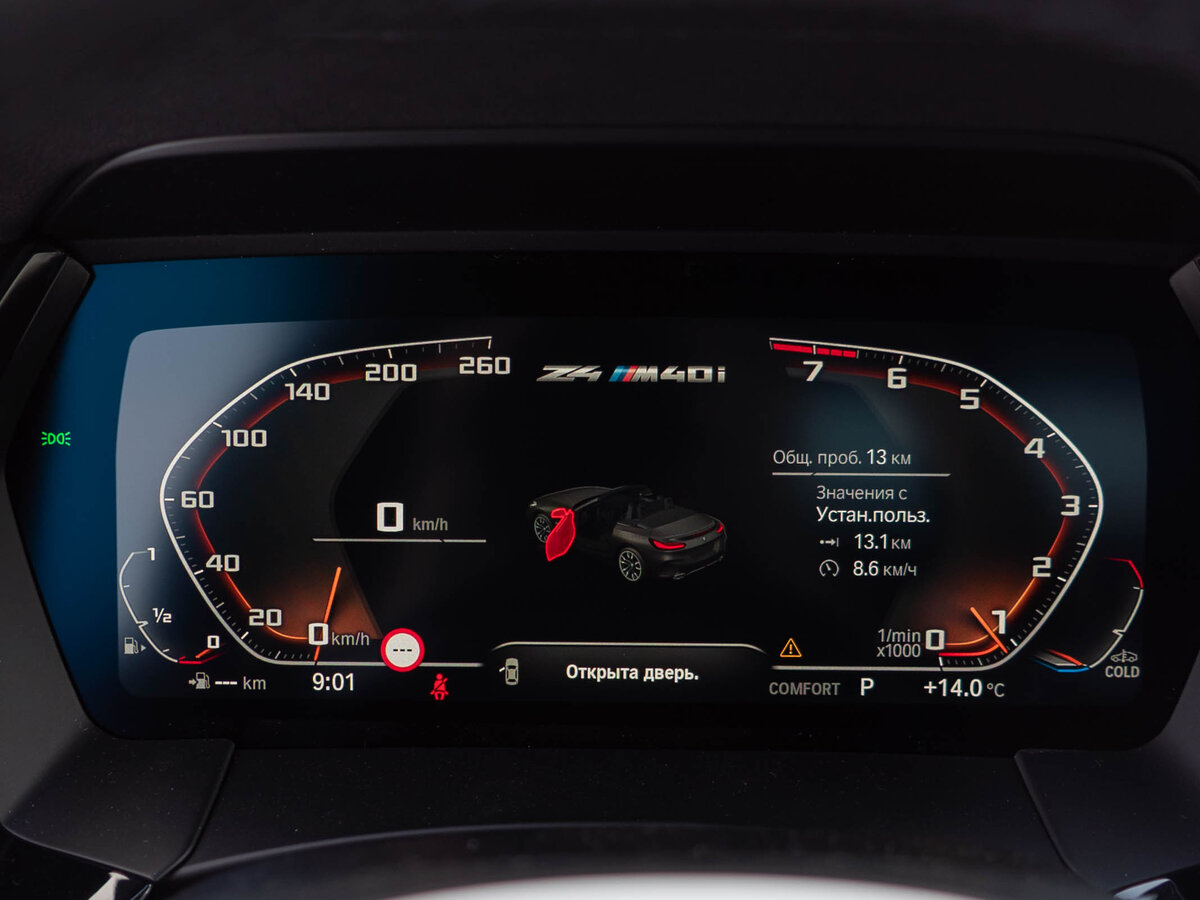
The BMW Z4 M40i (G29) is the most misunderstood modern BMW roadster. Launched in 2018, it rides on the CLAR platform and is built at Magna Steyr in Graz, Austria — on the same line as the Toyota GR Supra A90, which shares its chassis, electronics, 3.0-litre B58 turbocharged inline-six and ZF 8-speed automatic. What the Z4 adds is a folding soft-top, bespoke BMW steering calibration and, in M40i form, an engine that responds to tuning like few modern straight-sixes do. Pre-facelift cars make 340hp and 500Nm; post-facelift 2020+ cars get 382hp (387hp in some markets). This guide covers every meaningful upgrade for the G29 M40i — body kits, wheels, B58 stage tunes, exhausts and the practical differences between a track build and a street build.
BMW Z4 M40i G29 — Key Specifications
Body Kits — Real Tuner Programmes
AC Schnitzer ACL2 Programme
AC Schnitzer is the most comprehensive tuner for the G29 Z4, and their ACL2 concept is effectively a complete transformation programme. The styling portion includes a carbon front splitter that bolts to the standard M Sport bumper, carbon side-skirt extensions, a carbon rear diffuser with integrated fin, a trunk-lid spoiler and optional carbon mirror caps. Functionally, AC Schnitzer offers the most developed suspension set-up for the Z4 on the market: RS-X coilovers with separately-adjustable compression and rebound, lowering springs for owners who want to keep the factory adaptive dampers, and a set of forged Type VIII Evo wheels in 20x8.5 front / 20x10 rear. The ACL2 exhaust uses a valved stainless rear silencer with 4x90 mm carbon tips and is remote-controlled via the original BMW drive-mode selector. AC Schnitzer's ECU calibration takes the pre-LCI 340hp cars to approximately 400hp and keeps a 3-year powertrain warranty.
Hamann Motorsport Z4 G29
Hamann's programme for the Z4 is more aggressive visually than AC Schnitzer's, leaning into a wider, lower stance with carbon flares that expand the rear track visibly. The front bumper receives a deep carbon lip with canards, the bonnet is replaced with a carbon version featuring functional intake vents, and the rear gets a diffuser-integrated rear apron with ventilation slots. Hamann's Anniversary Evo forged wheels are available in 20 and 21-inch sizes and are the classic concave design the brand is known for. Their exhaust programme offers both a bolt-on valved cat-back and a full catless downpipe for owners going deep into ECU tuning. Hamann's own engine calibration targets 430hp on stock hardware; they also supply a lowering module for the factory adaptive suspension that removes the need for new dampers on cars that already have them.
Manhart MH3 600 Z4
Manhart, based in Wuppertal, has built its name on extreme B58 builds. For the Z4 M40i they offer the MH3 600 package — named for its target output. The package combines a Pure Turbos PURE800 hybrid turbocharger, upgraded intercooler, Akrapovic titanium downpipe with high-flow 200-cell catalyst, a custom intake and Manhart's own ECU calibration running on 102 RON pump fuel or E40 ethanol blend. Output rises to 570–600hp and 750Nm, taking 0–100 km/h to roughly 3.7 seconds. The visual side is deliberately restrained: a carbon front splitter, carbon mirror caps, a discreet boot-lip spoiler and Manhart's own concave 20-inch forged wheels in matte black with gold accents. It is the most serious Z4 build money can buy without crossing into dedicated track territory.
G-Power Z4 M40i
G-Power's approach to the Z4 is focused on power rather than body styling. Their Stage 2 software for the B58 takes output to 460hp and 660Nm on fully stock hardware using 98 RON fuel, or 490hp and 700Nm with a downpipe and charge-pipe upgrade. For customers wanting visual changes, G-Power supplies a modest aero kit — carbon front splitter, side-skirt inserts and a diffuser — alongside their Hurricane RR forged wheels in 20x8.5 ET29 front and 20x10 ET30 rear. Where G-Power differentiates is the engineering transparency: every stage is dyno-logged on the specific customer car, with before/after sheets provided, which is increasingly rare in an industry dominated by off-the-shelf files.
3D Design Japan
3D Design's Z4 programme is the choice for owners who want restrained, JDM-flavoured styling. Their dry-carbon front lip, side-skirt extensions, rear diffuser and boot-lip spoiler follow BMW's own M Performance lines but in higher-grade CFRP with autoclaved finish. 3D Design also supply a 4-position adjustable rear wing developed on their racing programme. Their forged 3P03R wheel in 19 or 20-inch sizes is one of the lightest multi-piece wheels on the market. 3D Design does not build engine programmes — customers typically pair the aero with Bootmod3 or MHD software calibrations.
Write us at [email protected] — we'll put together a full quote within 24 hours including body kit, wheels, exhaust, ECU and worldwide shipping.
Wheels
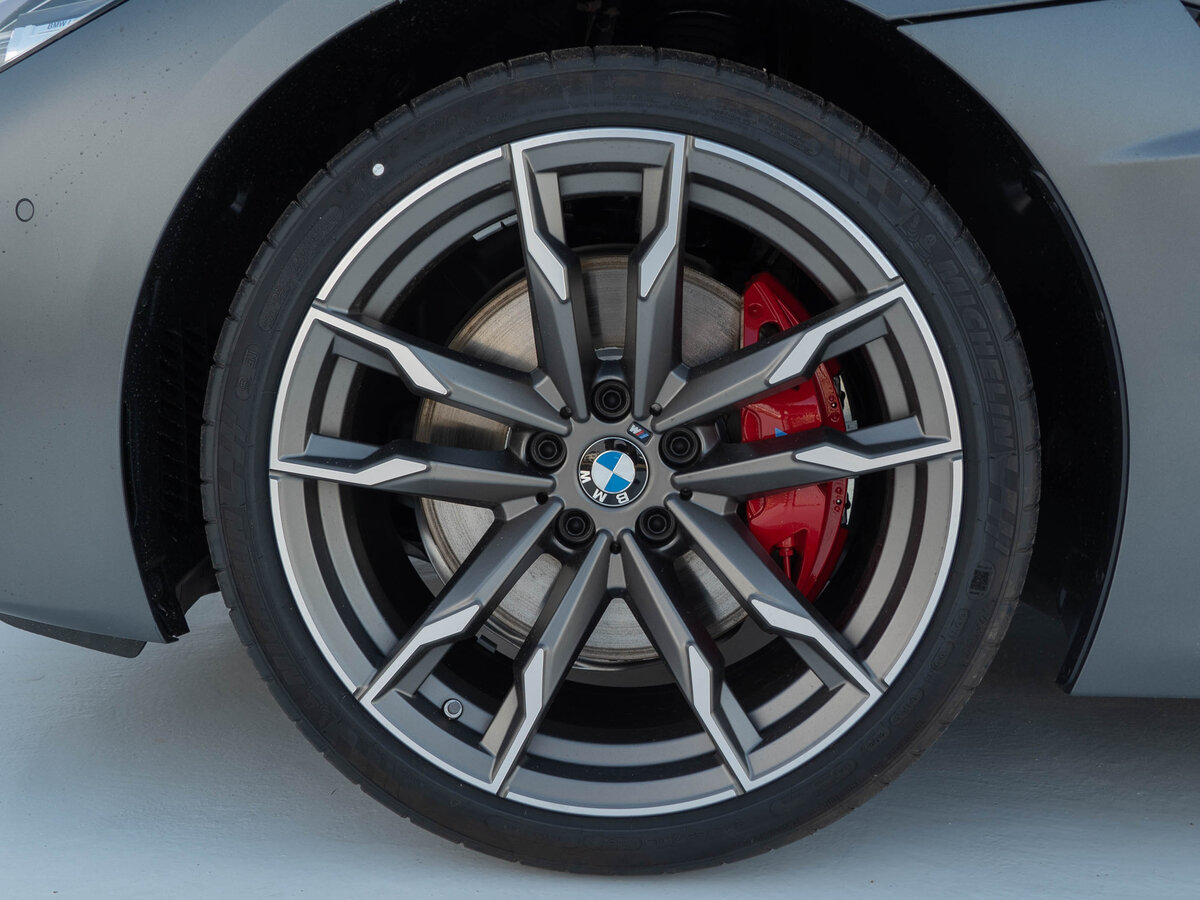
The Z4 M40i leaves the factory on staggered 19-inch Style 800M wheels (19x8.0 ET29 front, 19x9.0 ET44 rear). For tuning builds, the recommended sweet spot is 20-inch forged in 20x8.5 J ET29 front / 20x10 J ET40 rear, wrapped in 255/30 R20 front and 285/30 R20 rear tyres. This sizing clears the factory M Sport brake calipers, maintains correct speedometer reading within 1%, and preserves enough sidewall for road use. The Z4's chassis responds well to forged wheels because the short wheelbase magnifies unsprung-weight reductions; dropping from the factory 12.5 kg cast rear wheel to a 9.8 kg forged equivalent changes corner response noticeably. Recommended forged options include AC Schnitzer Type VIII Evo, BBS FI-R (track-focused monoblock), HRE P101 (a concave classic), Vossen Forged S17-01, and 3D Design 3P03R. Avoid 21-inch wheels on the Z4 — the short sidewall destroys ride quality on a car where owners drive with the roof down on rough roads.
Performance — B58 Tuning
The B58B30O1 (pre-LCI) and B58B30M1 (LCI) are among the most tuner-friendly modern BMW engines. Stage 1 software from Bootmod3, MHD Flasher or AC Schnitzer raises the pre-LCI 340hp car to 410–430hp and 620Nm on 98 RON fuel, with no supporting hardware required. Stage 2 adds a high-flow downpipe with 200-cell catalyst and upgraded intercooler; on E40 ethanol-blend fuel the same ECU then delivers approximately 500hp and 700Nm. Stage 3 with a hybrid turbo (Pure Turbos PURE800 is the market standard) and port-matched intake takes output to 570–620hp on E85 — this is the Manhart MH3 600 territory. Exhaust options run from Akrapovic Slip-On titanium (OE-grade fit and quality, slip-fit cat-back) through Eisenmann, AC Schnitzer and Hamann valved systems. Avoid straight-through systems without valves — the B58 drone at motorway cruise on a straight-through is genuinely fatiguing.
Suspension & Chassis
The factory adaptive M Sport suspension on the M40i is well-sorted but set up for comfort over ultimate control. For daily-focused builds, KW Height Adjustable Spring (HAS) kits work with the factory dampers and drop the car 25 mm. For more serious builds, KW V3 coilovers or AC Schnitzer RS-X coilovers replace both springs and dampers with independently adjustable rebound and compression. Track-focused cars should consider KW Clubsport two-way adjustable with top-mount camber plates. Brakes: the stock M Sport four-piston front calipers are adequate for road use but fade quickly on track — Brembo GT 6-piston upgrades with 380 mm rotors solve this without changing the brake-pedal character. Eventuri supplies the best-validated carbon intake for the B58, freeing 8–12hp at stage-2 level and improving airflow temperatures measurably on extended runs.
Interior
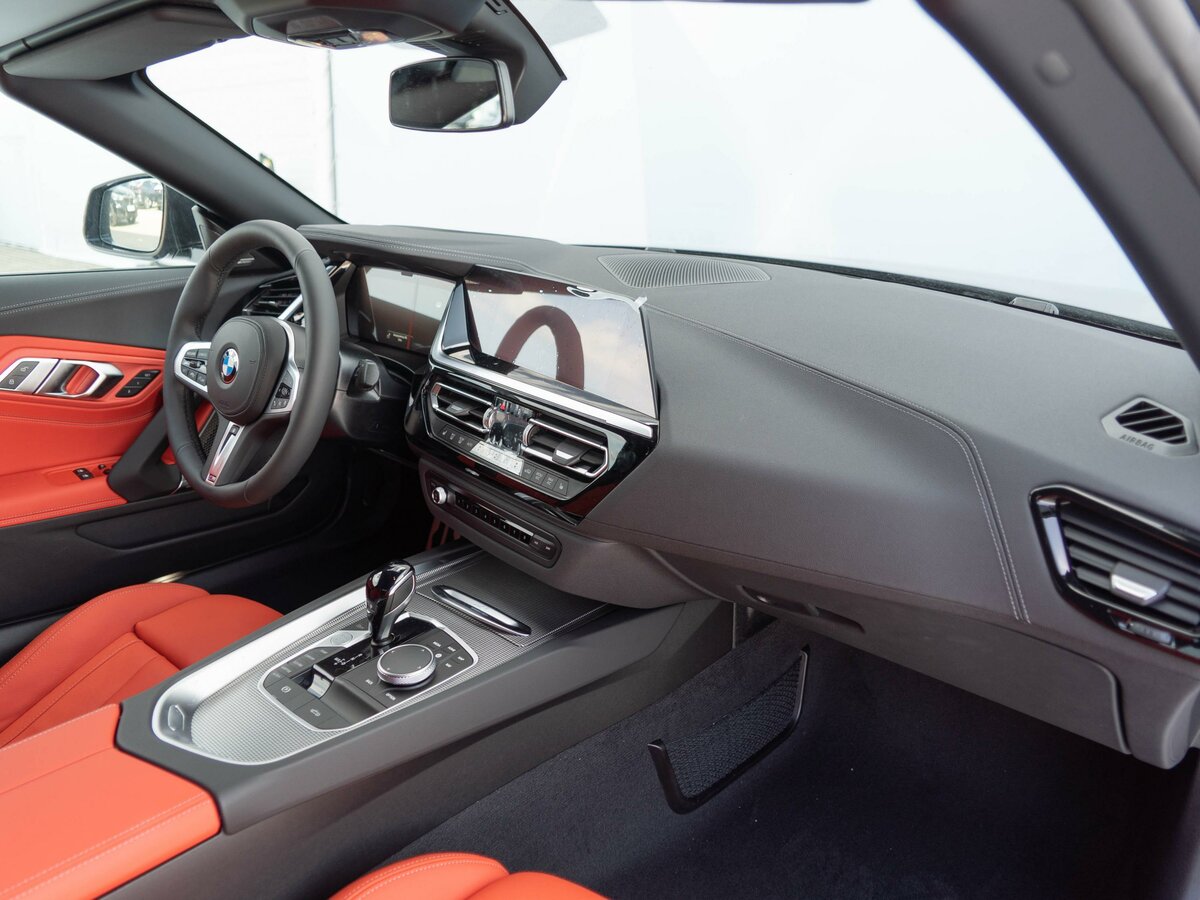
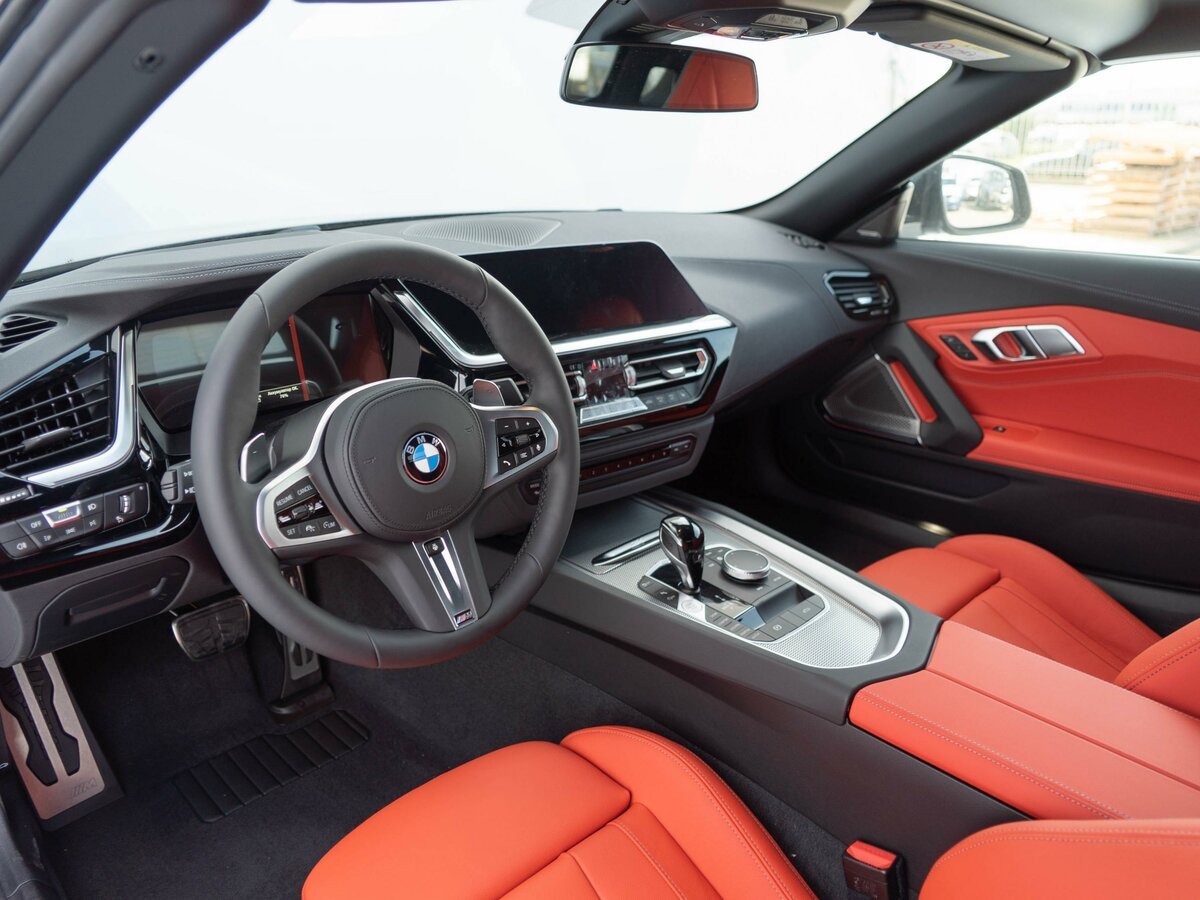
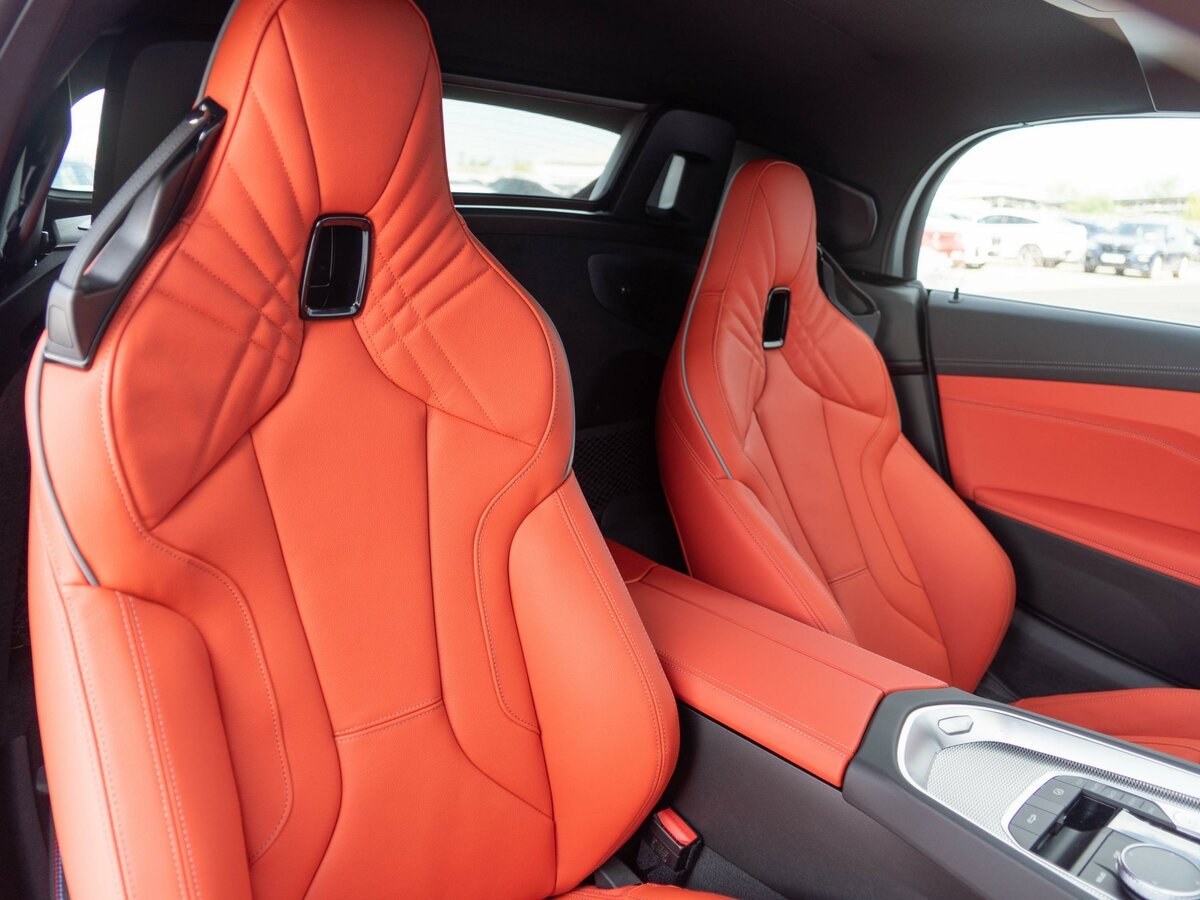
Because the Z4 G29 is a two-seat roadster, interior tuning is restrained. The most common upgrades are Alcantara headliner (for hardtop variants — not applicable to soft-top cars), carbon trim replacing the standard aluminium dashboard inserts, a flat-bottom M Performance steering wheel with Alcantara grip and carbon trim, and upgraded speaker and amplifier installations from Focal or Audison for owners who drive with the top down and want usable stereo above 90 km/h.
Track Build vs Street Build
The Z4 M40i's platform is unusual in that it genuinely supports two very different builds — and the correct components for one are the wrong components for the other. A track-focused Z4 leans on BBS FI-R forged monoblock wheels in 18x8.5 front and 18x9.5 rear (smaller is better for track — more sidewall means more mechanical grip and less wheel damage from kerbs), KW Clubsport 2-way coilovers with pillowball top mounts, Brembo GT 6-piston BBK with semi-racing DS3.12 pads, an Akrapovic titanium Slip-On for weight reduction (saves roughly 8 kg over stock), a half cage from Studie or Safety Devices if the owner is committed, and thin-shell Recaro Pole Position seats. Tyres are semi-slicks — Michelin Pilot Sport Cup 2 or Nankang AR-1. The trade-off: the car becomes uncomfortable on rough streets, insurance premiums roughly double in most European markets, and NVH rises substantially with the half cage and reduced sound deadening.
A street-focused Z4 is an entirely different build. The priority is an authoritative but comfortable daily: M Performance carbon bonnet vents and mirror caps for visual impact without weight penalty, KW Height Adjustable Springs (HAS) with the factory adaptive dampers retained, AC Schnitzer Type VIII Evo 20-inch forged wheels for style, and a valved AC Schnitzer or Akrapovic exhaust — the valve control matters enormously because it lets the car remain quiet at 6 AM suburban starts and aggressive on the mountain road in the afternoon. Ride quality must remain intact, so stick with Michelin Pilot Sport 4S or 5S. The street build is 80% of the track car's straight-line performance for 30% of the discomfort, and it is by far the more popular choice among our Z4 clients.
Frequently Asked Questions
How reliable is a Stage 2 B58 in daily use?
Very reliable when the tune is properly calibrated. The B58 is the successor to BMW's N55 and was engineered with significant internal headroom — forged crank, closed-deck block, oil jets on the piston undersides, stout rods. Bootmod3 and MHD tunes in the 490–500hp range have been in field use since 2018 with no pattern of rod or bearing failure. We recommend shortening oil service intervals to 8,000–10,000 km, running LiquiMoly Top Tec 6600 0W-20, and inspecting the oil pump drive chain at 120,000 km (known weak point on pre-LCI cars). For Stage 3 hybrid-turbo builds with forged internals is advisable above 600hp.
Will a hardtop or coupe conversion fit the G29?
No — the Z4 G29 was designed soft-top only and there is no factory or reputable aftermarket coupe conversion. The GR Supra A90 shares the chassis but has a fixed carbon-reinforced roof integral to the structure; you cannot swap roofs between cars without destroying chassis rigidity. Owners who want a coupe should look at the Supra A90 directly, which shares 90% of the Z4's mechanicals.
Can I fit Supra A90 parts to my Z4?
Many parts are cross-compatible because both cars are built on the same Magna Steyr line with the same B58 engine, ZF 8HP51 gearbox and CLAR electrical platform. Downpipes, intercoolers, intakes and ECU files for the A90 often work on the Z4 with minor adjustments. Body panels do not interchange because the silhouettes are completely different. We help clients source Supra-specific hardware where the Z4 aftermarket is thinner (e.g. some Pure Turbos supply is A90-coded first and re-flashed for Z4).
Do you ship builds internationally?
Yes — Hodoor ships worldwide from our EU logistics hub. Body kits and wheels ship crated with full export documentation, CMR and commercial invoicing. Typical duty rates on automotive aftermarket in most destinations are 3–10% depending on HS classification. We quote both DAP (customer clears) and DDP (fully landed) pricing. ECU calibrations are performed remotely via secure Bootmod3 bootloader for most clients — no need to ship the vehicle. Lead times are typically 4–8 weeks for stocked kits and 8–14 weeks for full carbon widebody programmes.
Email [email protected] with your VIN, current mileage and build direction (street, track, or hybrid). We reply within 24 hours with an itemised quote, lead times and shipping options to your country.